Turon NP and the Bridle Track – 6-8 March 2021
Trip Participants:
Ian, Nicole and Lexie Toten, Defender 130
Ian and Nanette Bragg, Ford Ranger
Margaret and Bob Anderson, Land Rover Perentie
Jacinda, Shane and Anna Vaughan, Mitsubishi Challenger
Kaylene and Paul Koppe, Land Rover Discovery 3
Geoff Banbury, Toyota Troop Carrier (Blossom)
Tom and Ann de Jongh, Mitsubishi Triton
Day 1: Saturday 6 March 2021
The de Jonghs arrived 10 minutes early in Gunning but were the last to arrive; hence we are doing the trip report. Heading north via the Biala Wind Farm and Grabben Gullen the convoy travelled to Crookwell, meeting Kaylene and Paul, then onward to Tuena. Sitting on Tuena Creek, a tributary of the Abercrombie River, gold was discovered at Tuena in 1851 resulting in a large population growth and the establishment of the town. The area is also famous for its bushrangers and the Abercrombie Caves. Fifteen kilometres north we turned off the tar for a morning tea stop at Grove Creek Falls. There is a short walk to a lookout where you can view the creek tumble over a cliff to the rocks 70m below. There is a swimming hole at the top of the falls and another at the bottom. The steep climb back from the bottom swimming hole would leave you hot and sweaty and wishing you could have a swim.
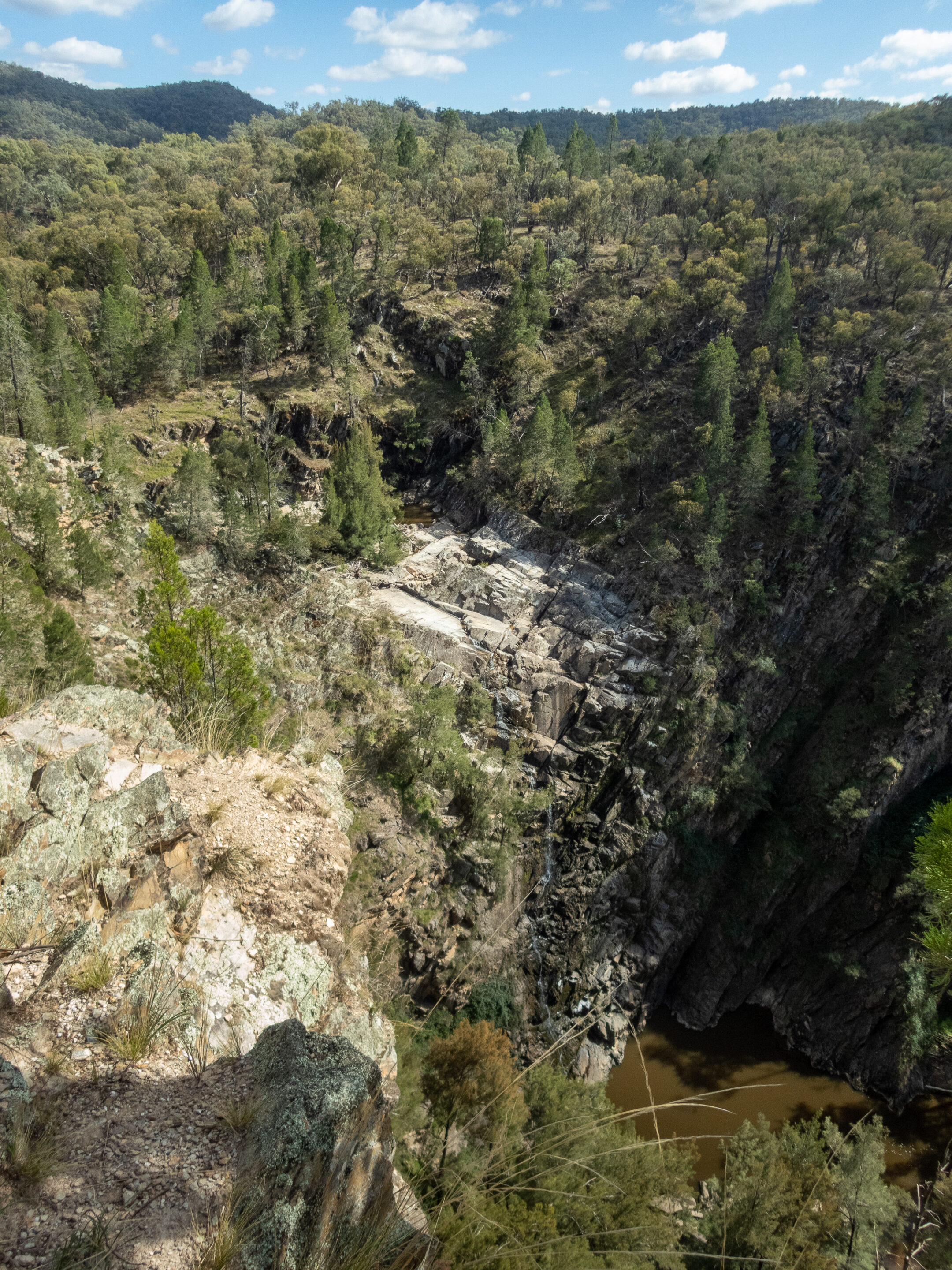
Grove Creek Falls
We returned to the tar and entered Bathurst stopping at the Lions Club Berry Park for lunch and a wander around the Saturday markets. Following a refuel we headed east out of town then north to the bustling township of Sunny Corner. Silver, gold, zinc and antimony were all once mined at Sunny Corner.
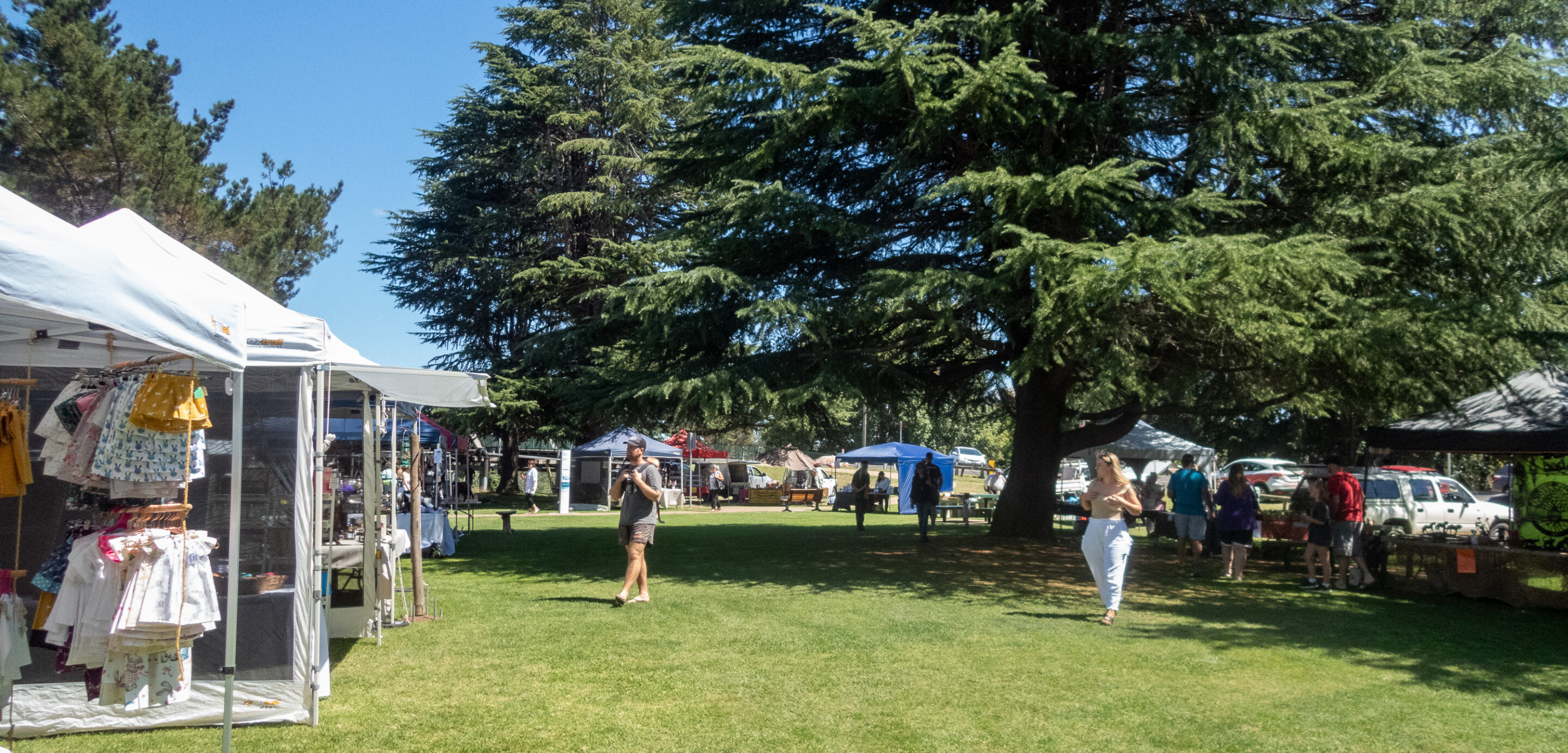
Bathurst markets
The 4WDing now began as we travelled over Dark Corner Track and Daylight Creek Road into the Sunny Corner State Forest. If visiting the area read the public notices within the area carefully as at one point the Daylight Creek is contaminated with lead, cadmium, zinc, copper and arsenic due to mining. In other areas there are unmarked mining shafts.
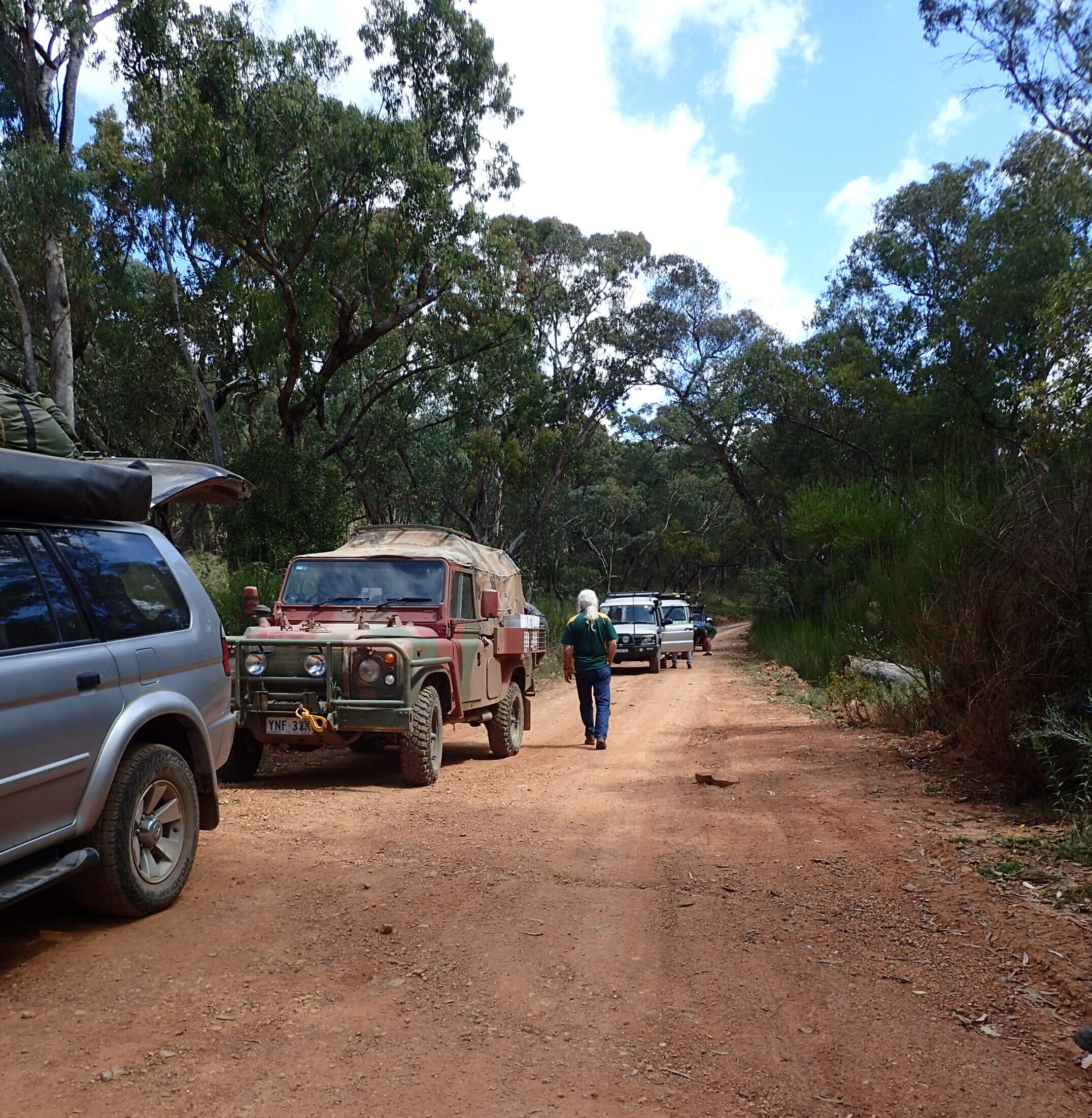
Airing down
The driving became a little more challenging as we twisted and turned our way along the fire trails crossing creeks, ascending and descending many steep slopes, following a creek bed, traversing up rock ledges and down rock slopes, driving across washouts and gutters.
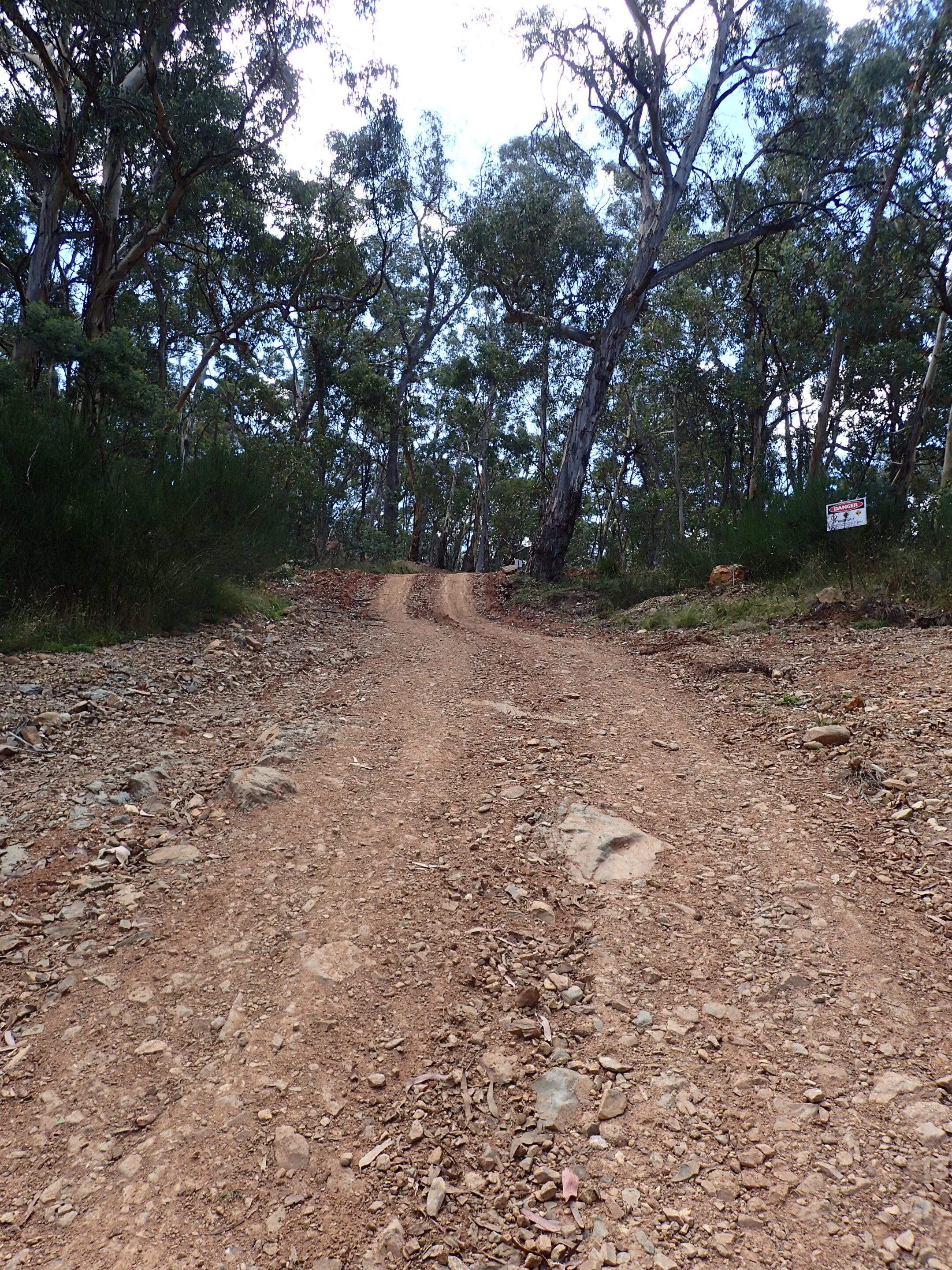
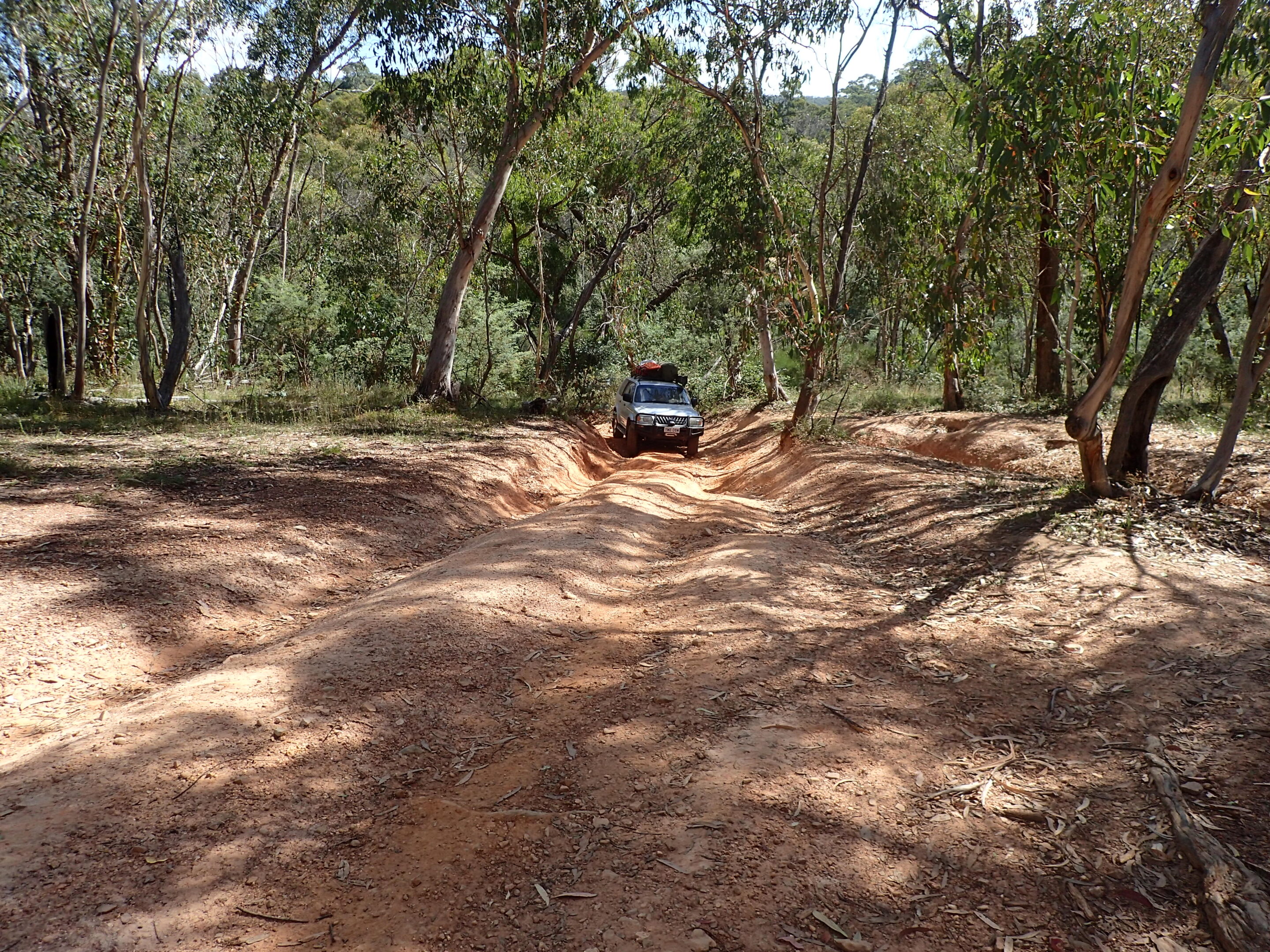
One slope proved particularly difficult with deep ruts and washouts. After a careful survey and discussion amongst drivers, along with Tote’s expert advice, all drivers made it up the hill on their first attempt – EASY!
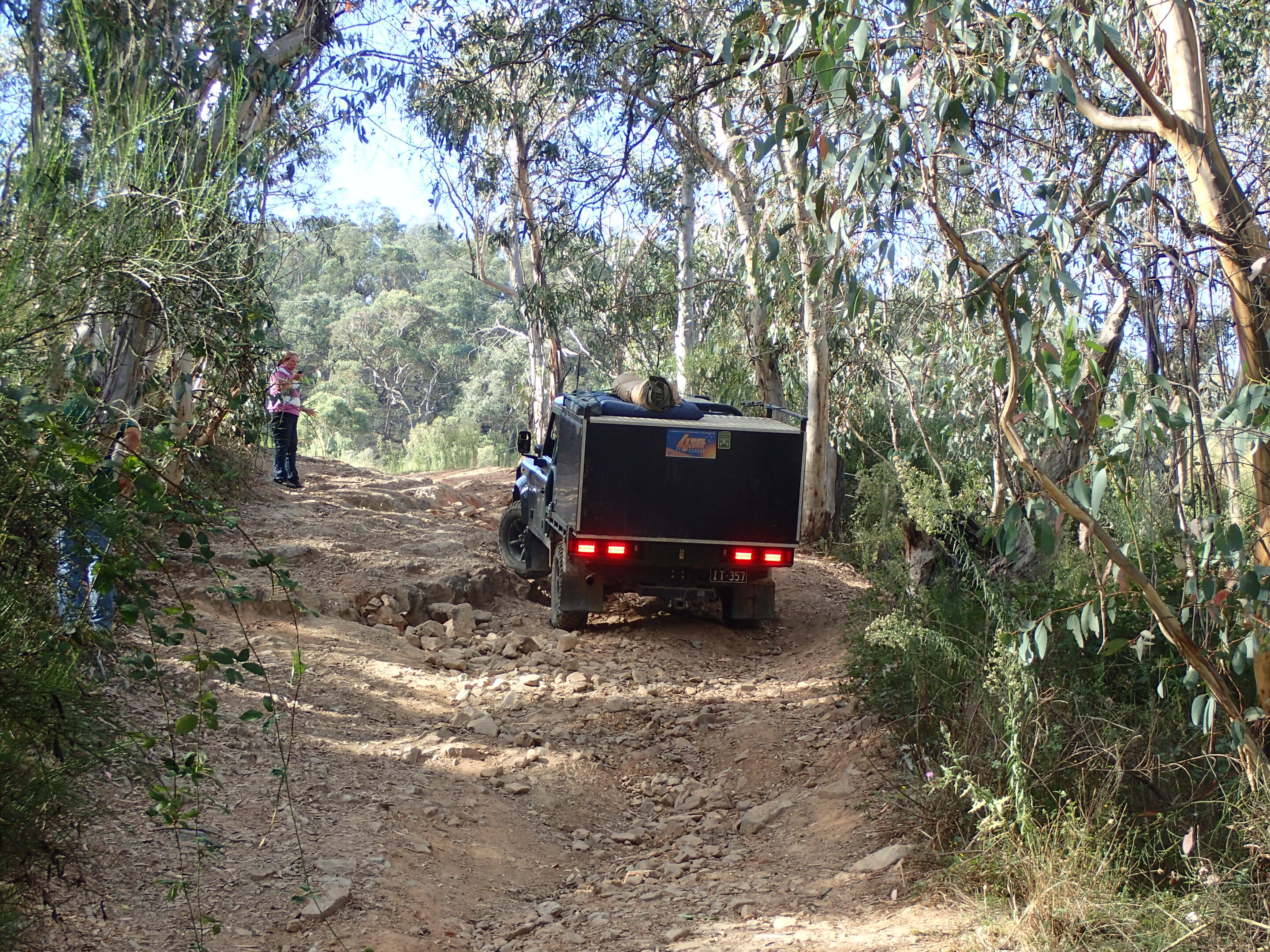
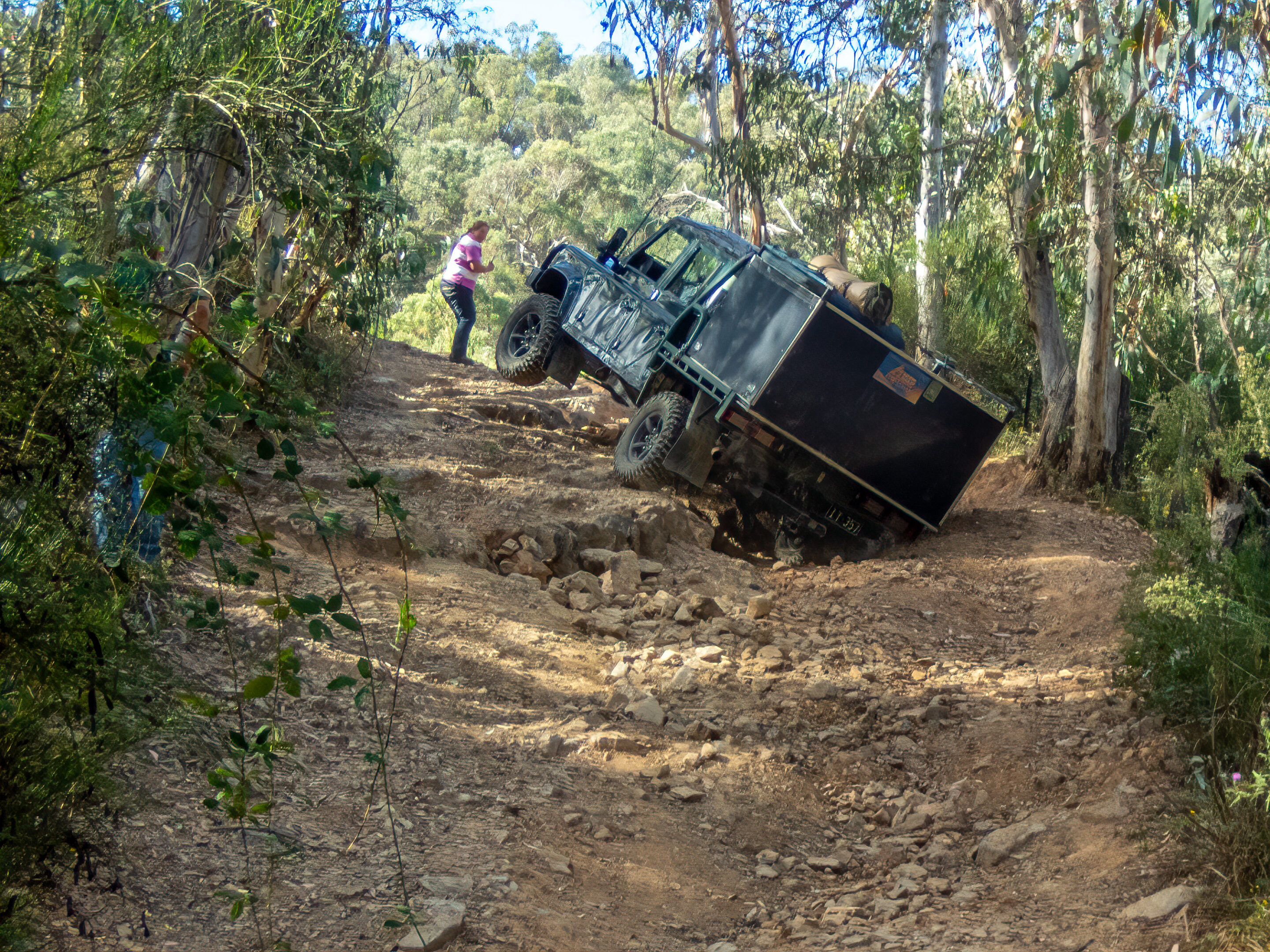
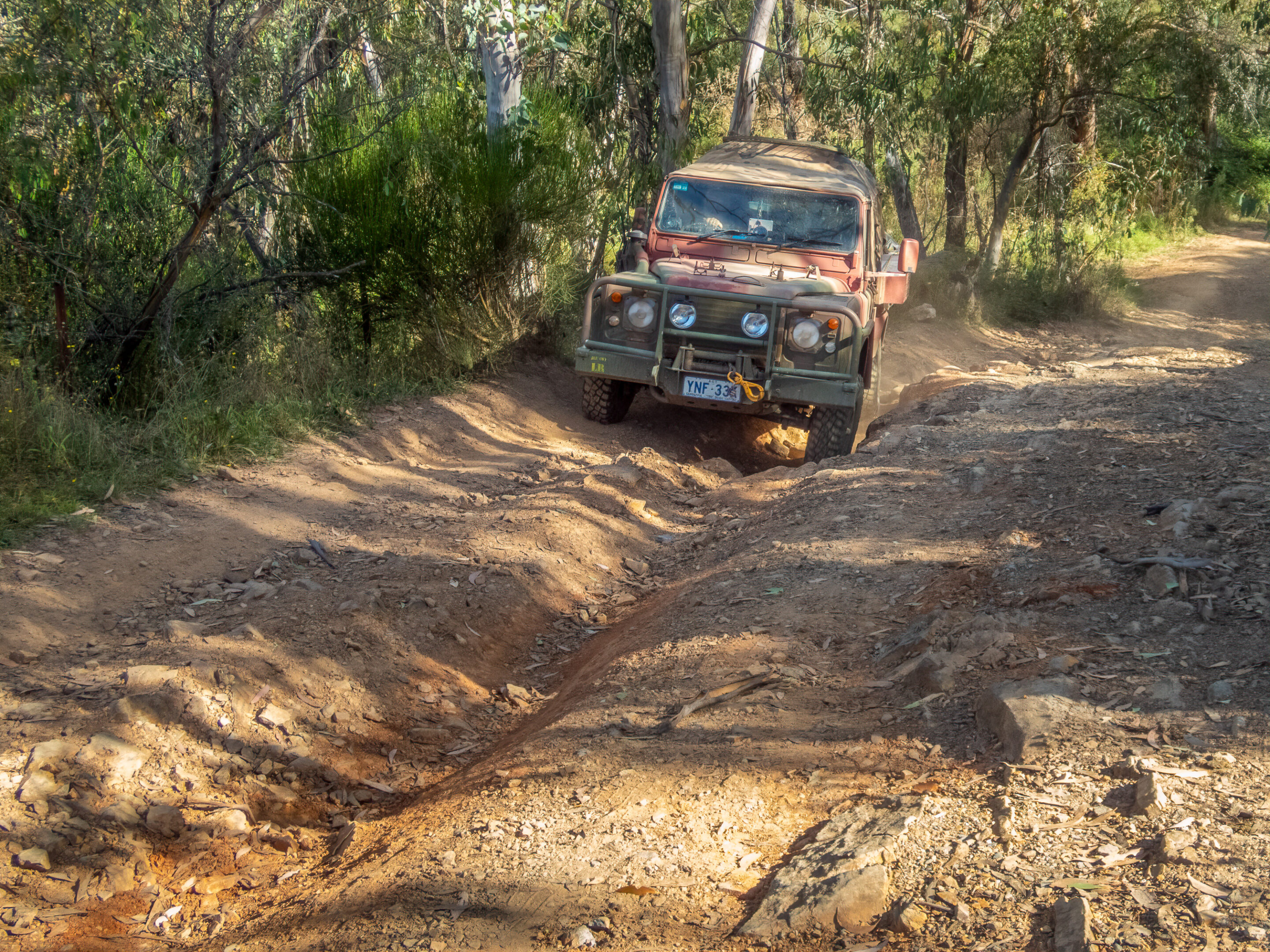
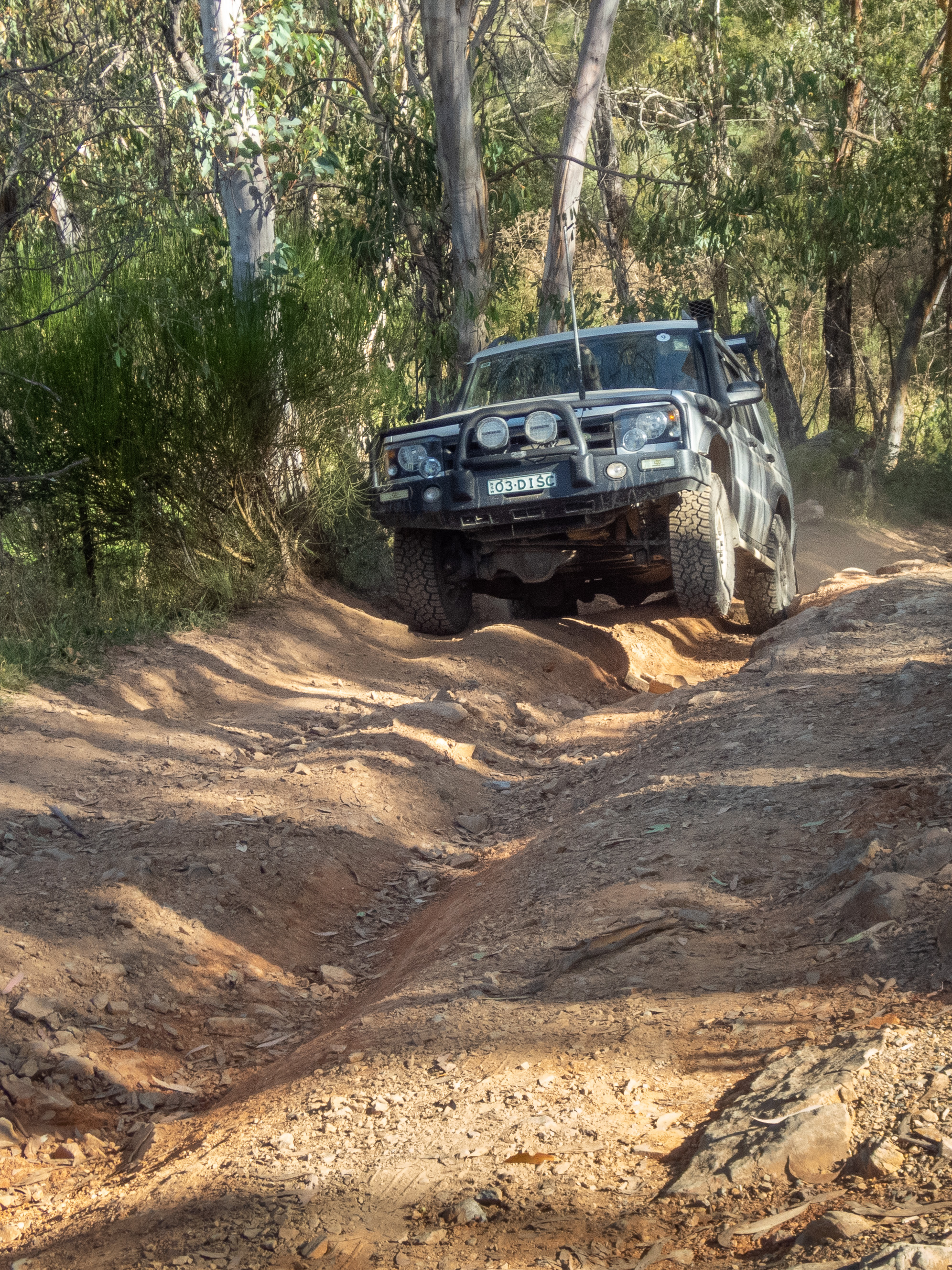
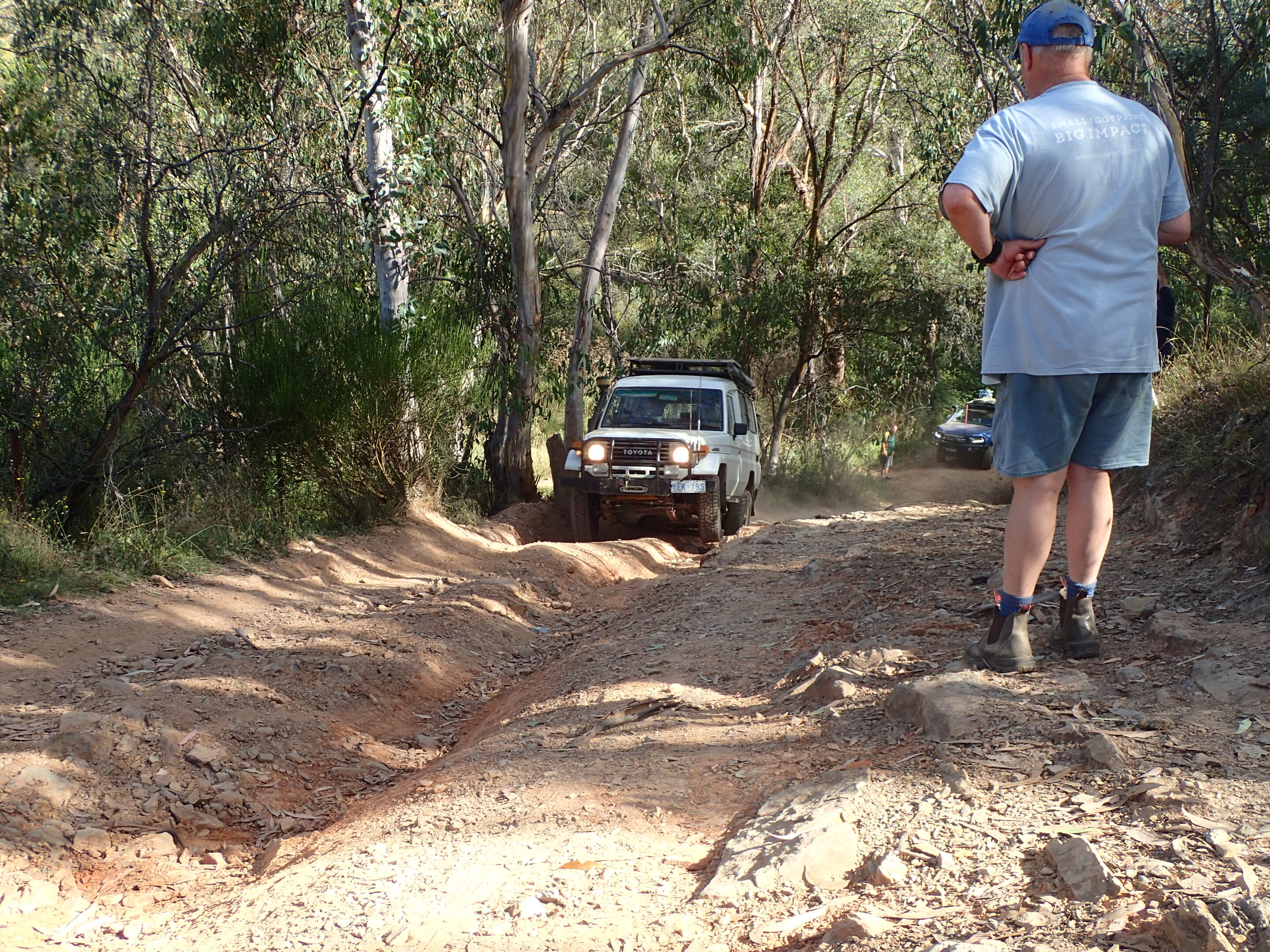
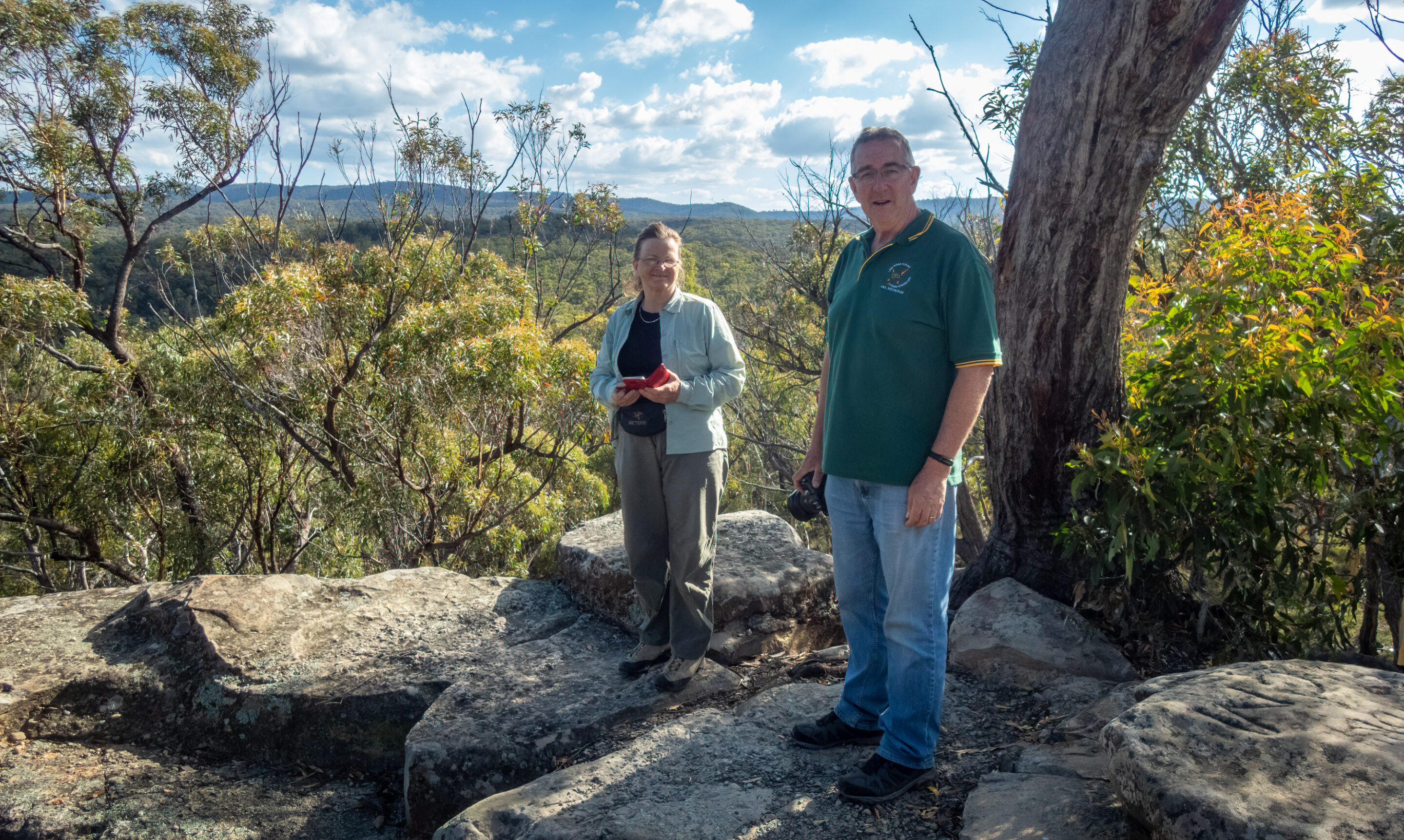
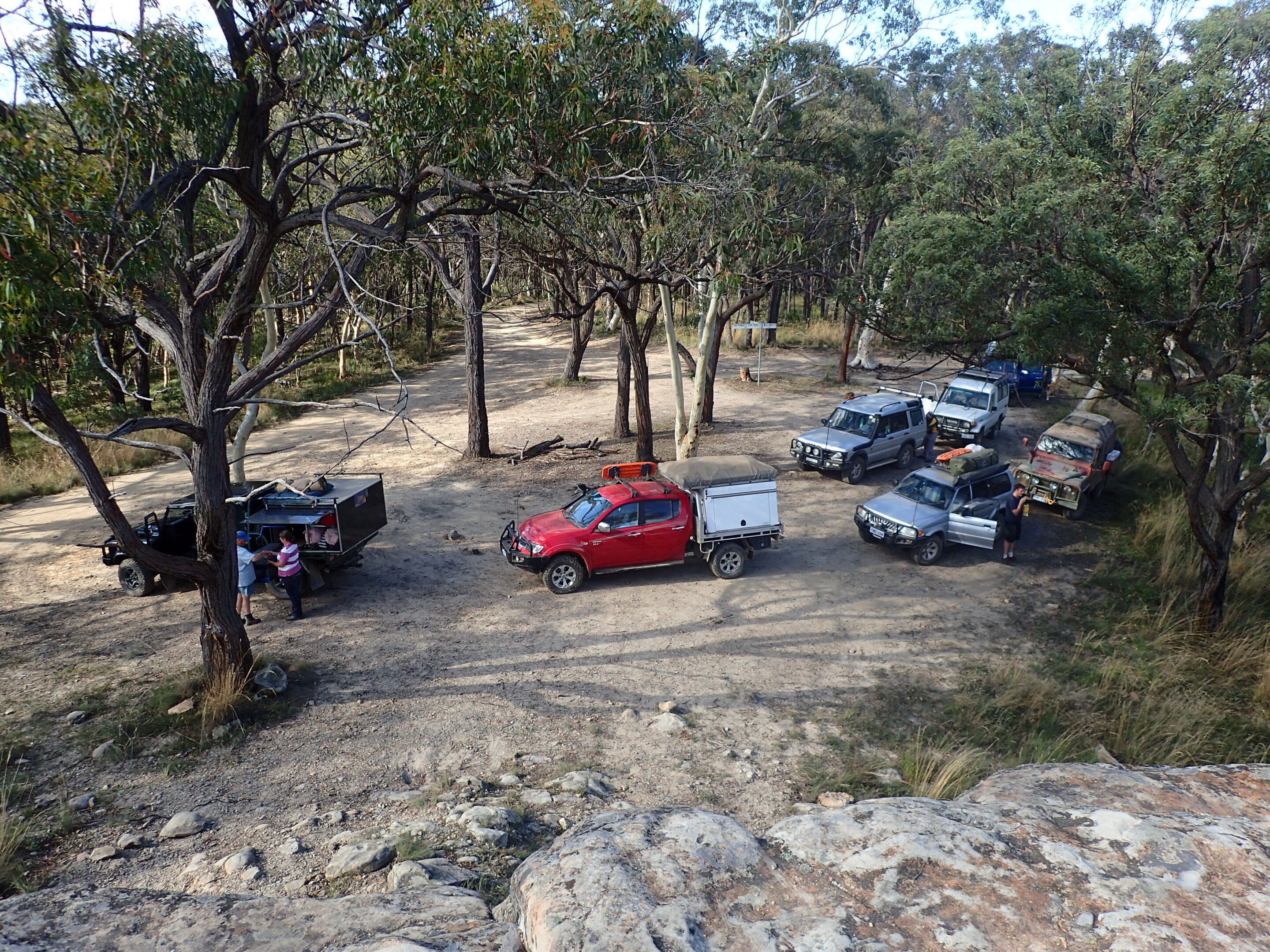
Exploring the State Forest
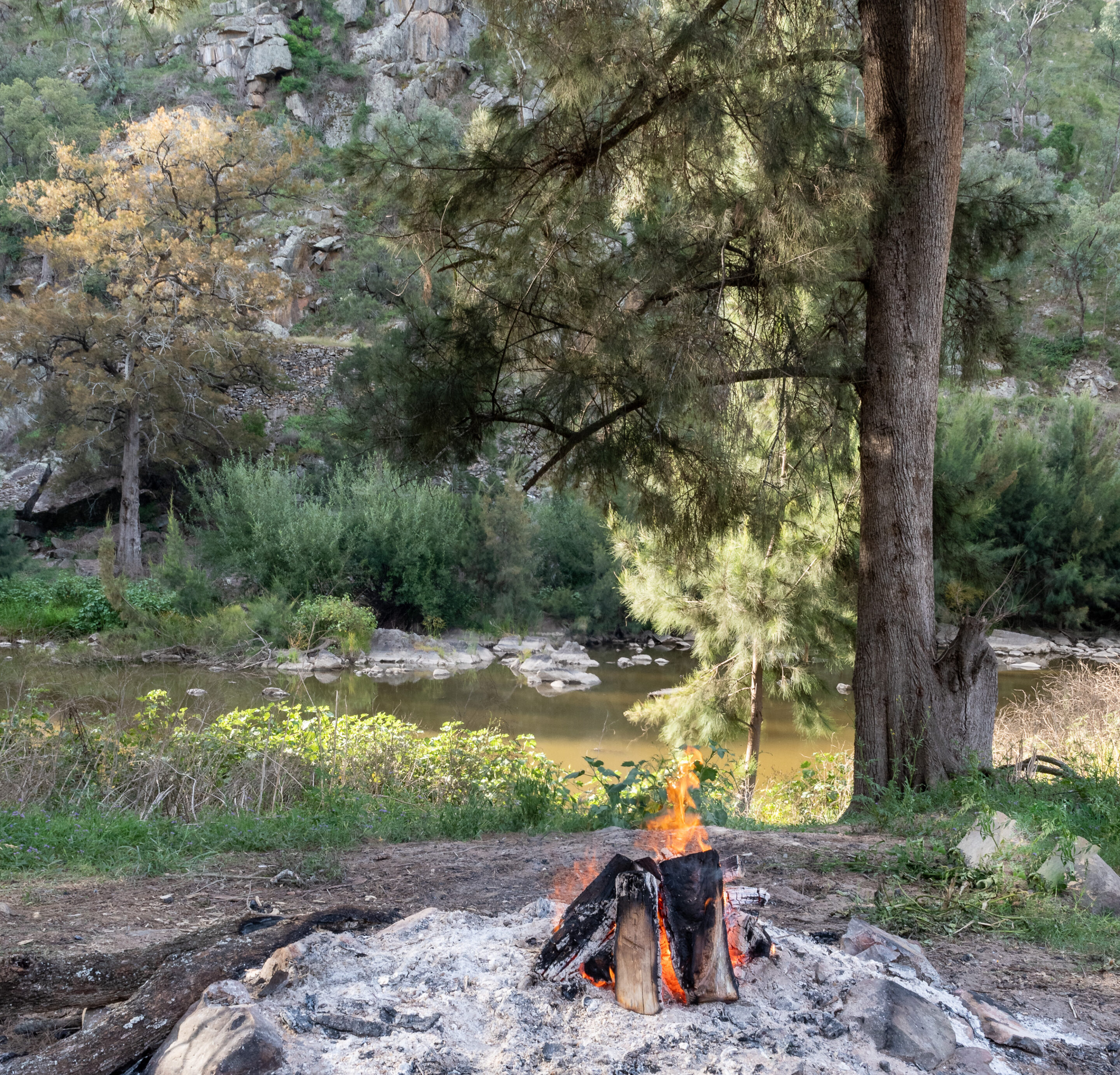
It was a long afternoon at the wheel, finally arriving at Woolshed Flat campground in the Turon National Park via the Pinnacle Fire Trail. The campsite was quite popular with many groups camping along the river. The LRC group found a bush area to camp and we settled in for a relaxing night around the campfire.
The excitement did not end there though as Tom did his best to burn down the campground when the operation of the fuel stove went horribly wrong. Quick action by Tom, fellow campers and the use of two fire blankets and a little water stopped a potential disaster.
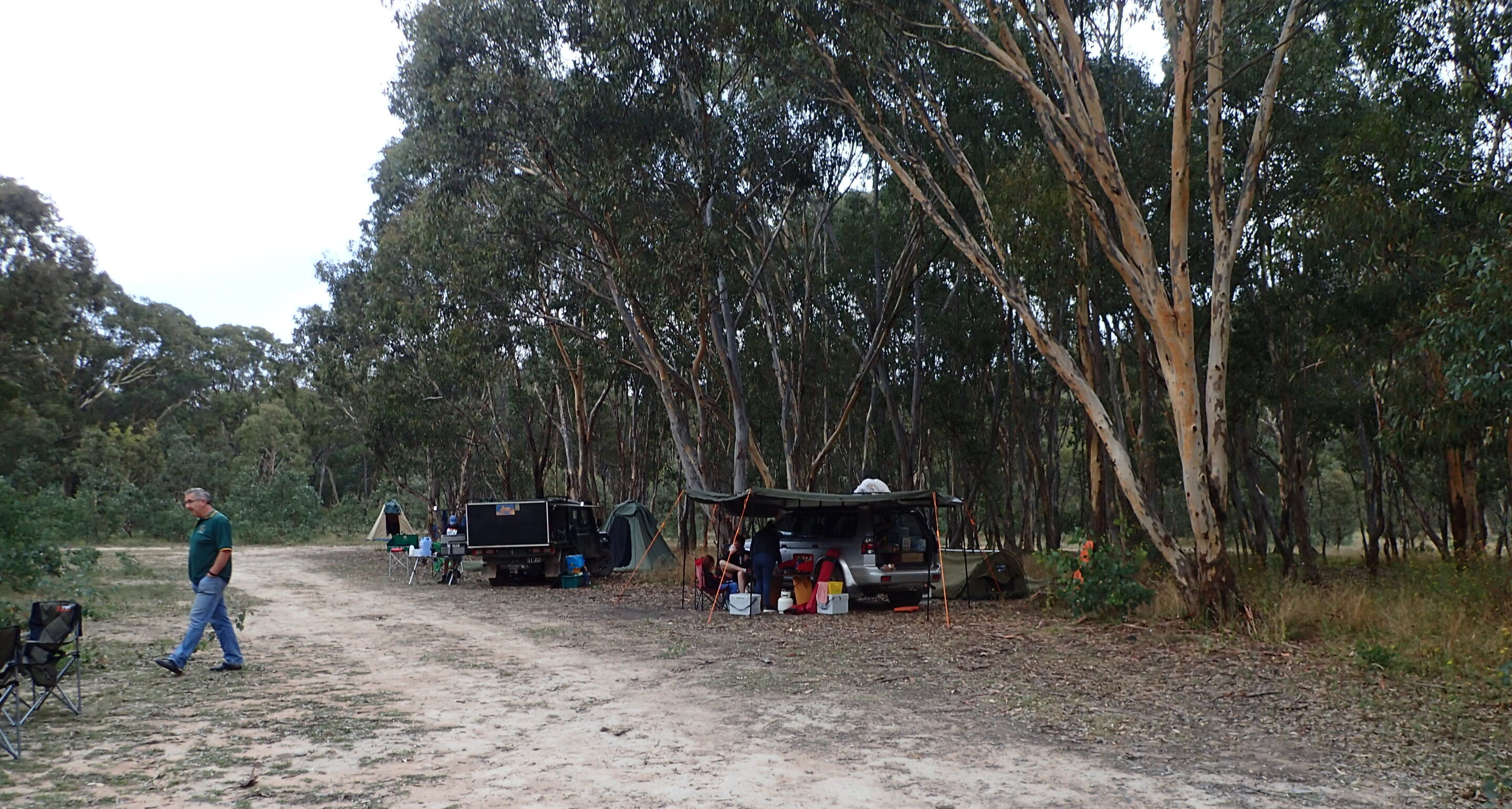
Woolshed Flat Campground, Turon NP
Day 2 – Sunday 7 March 2021
Day two began with a civilised 9.00am start and a climb out of the campground on the Turon River and Lochabar Roads. The track improved as we got closer to the Castlereagh Highway and Capertee. After a quick stop in Capertee we hit the dirt on the Upper Turon Road. The first section of road was quite busy as a popular private campground is accessed via this road. We followed the Turon River through the bush and farming properties into Sofala.
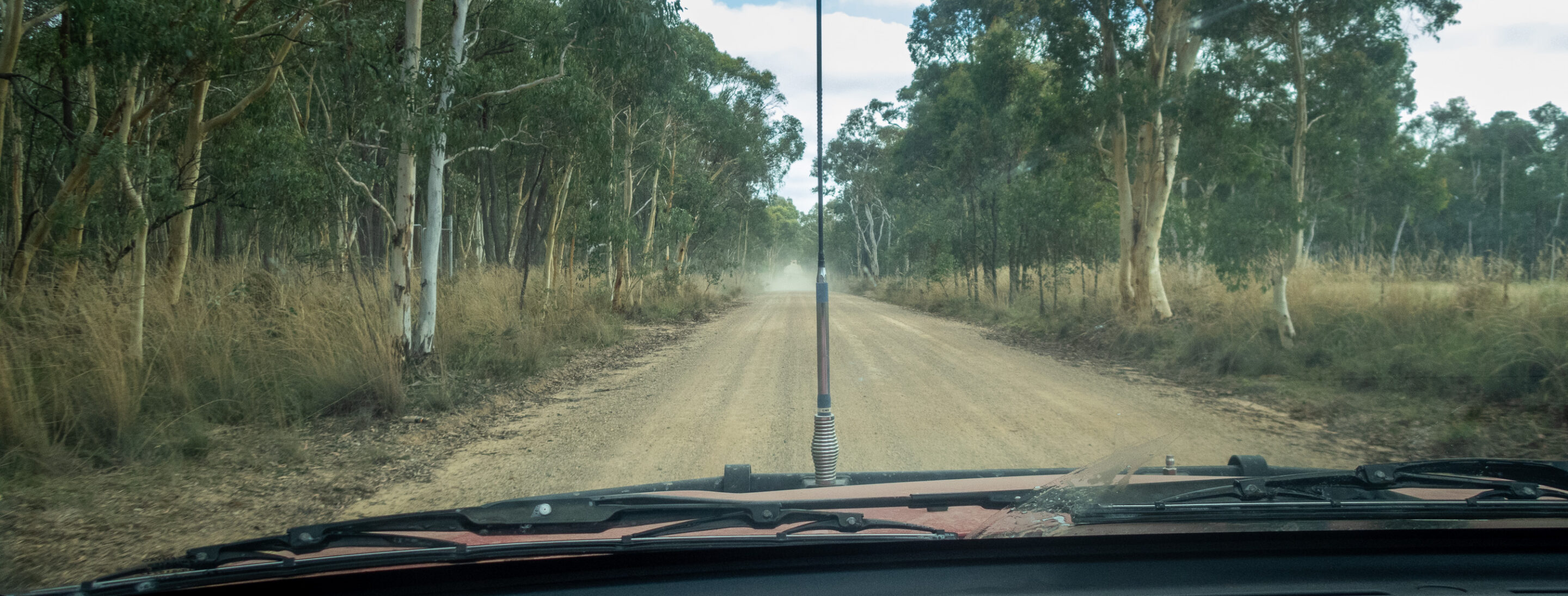
Lochabar Road
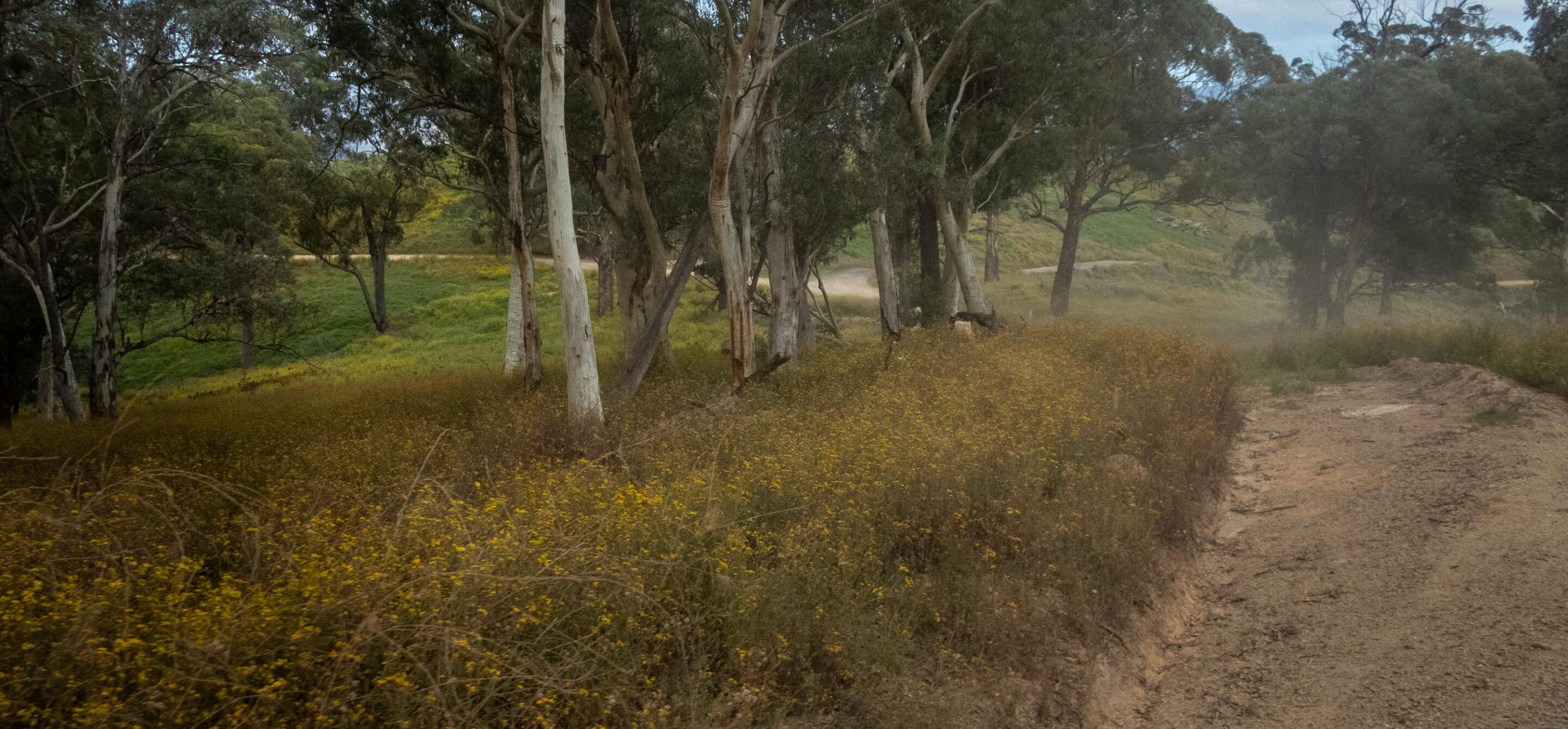
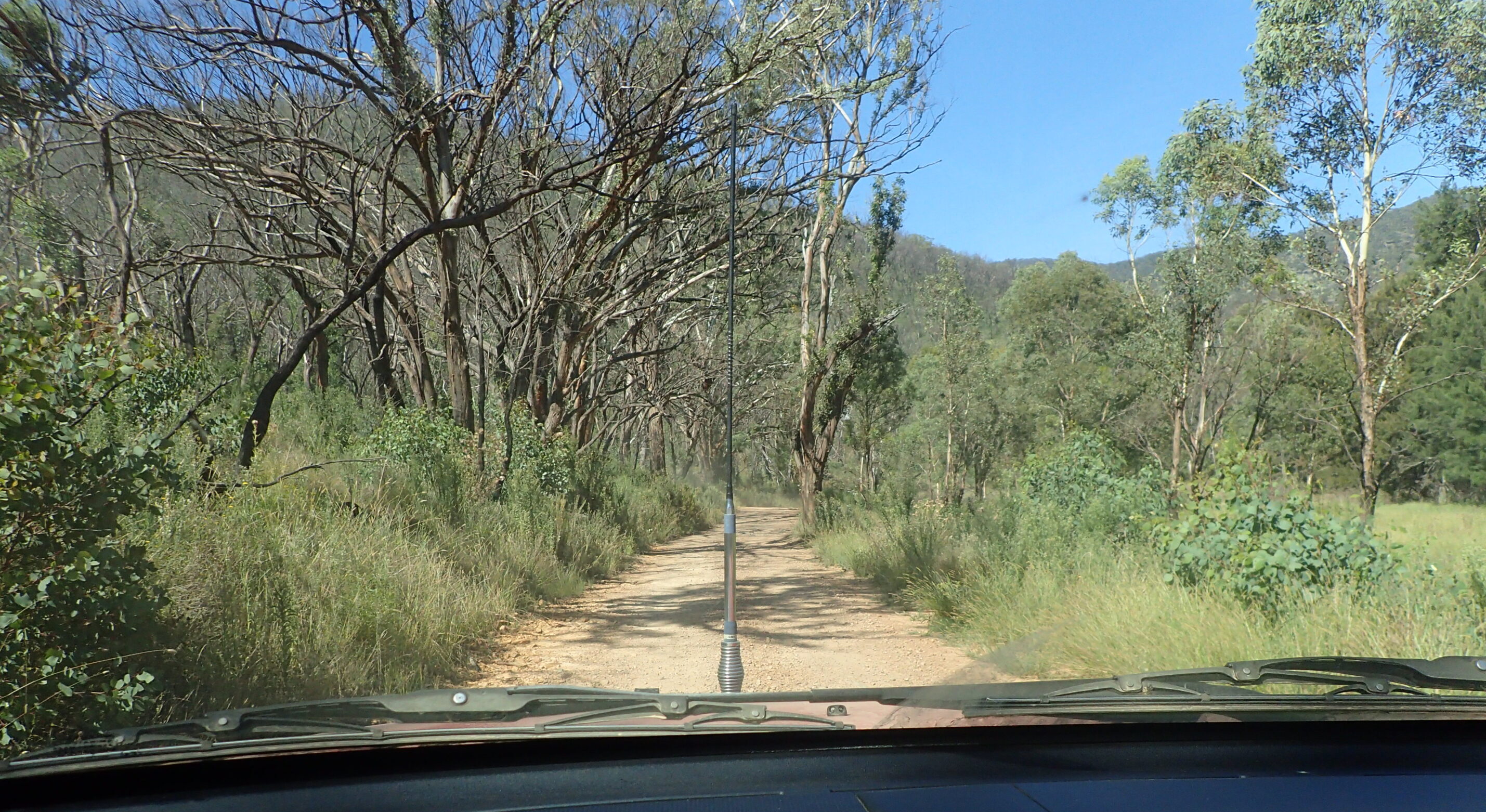
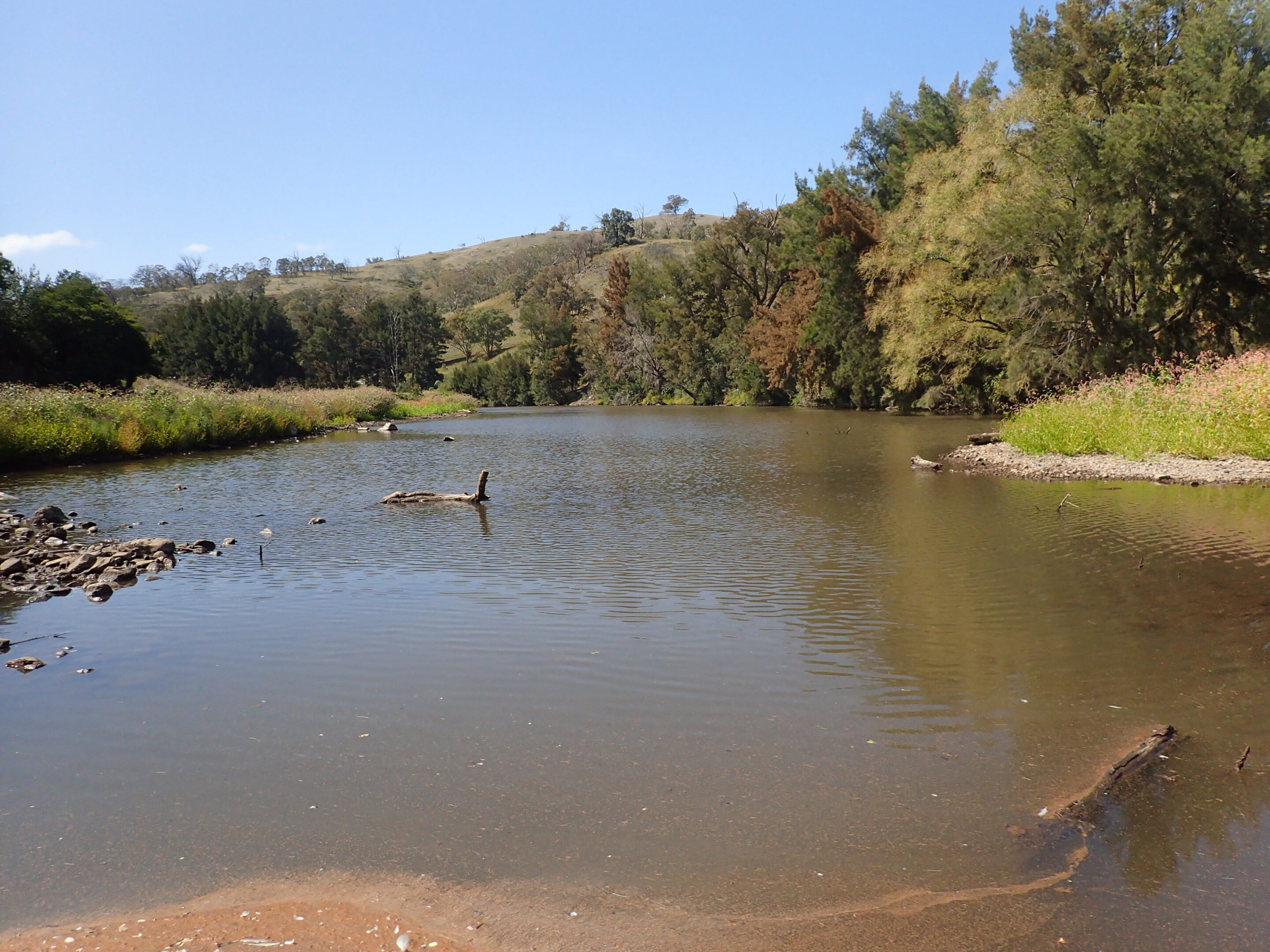
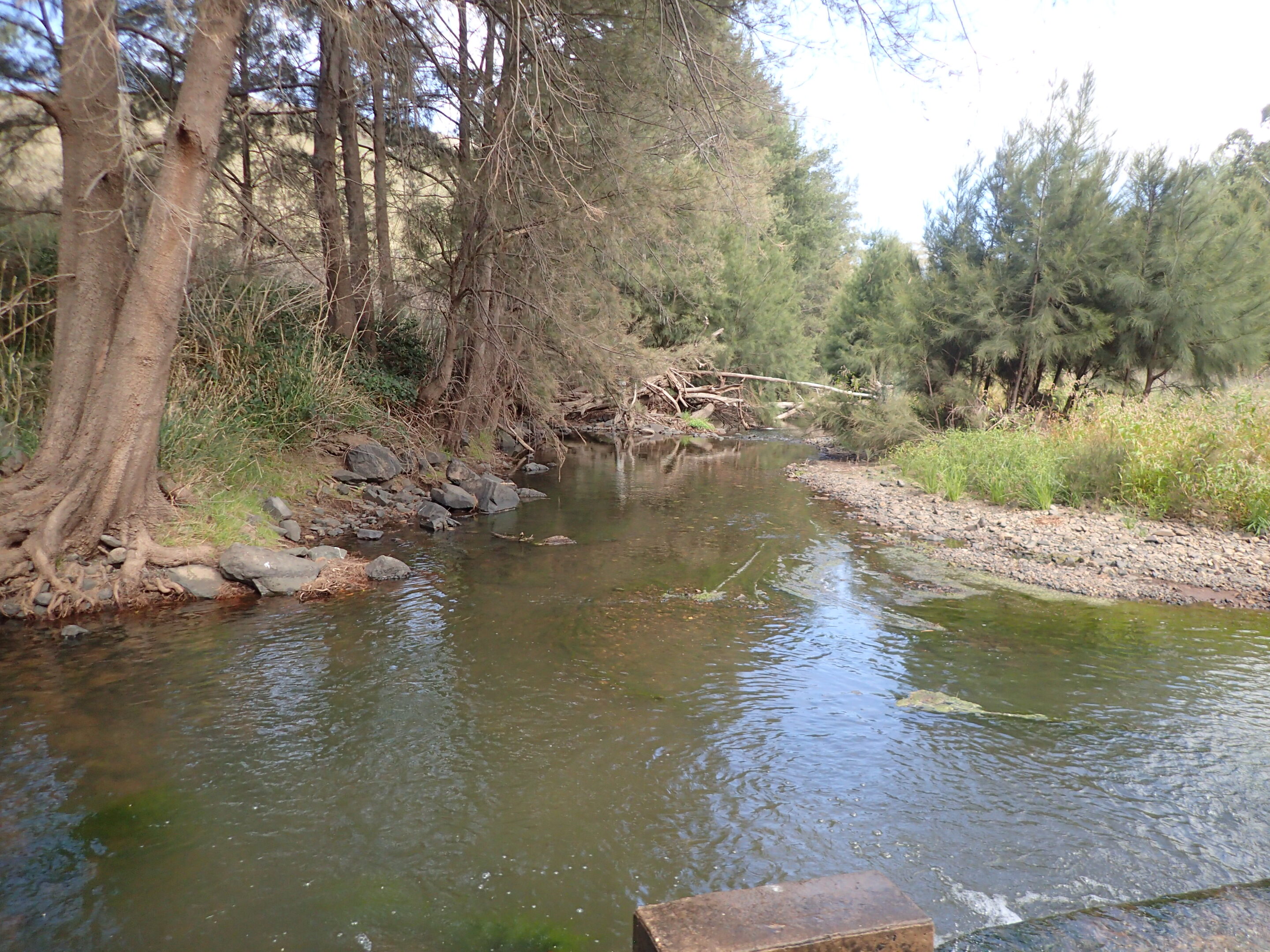
On the road to Sofala
Sofala is Australia’s oldest surviving gold town, established in 1851 with the discovery of alluvial gold. We stopped here for lunch and a walk around the town. The once thriving town now consists of three streets lined with buildings from its past. Prospectors still search for gold and their fortune in the surrounding area. On a Sunday tourists far outnumber prospectors.
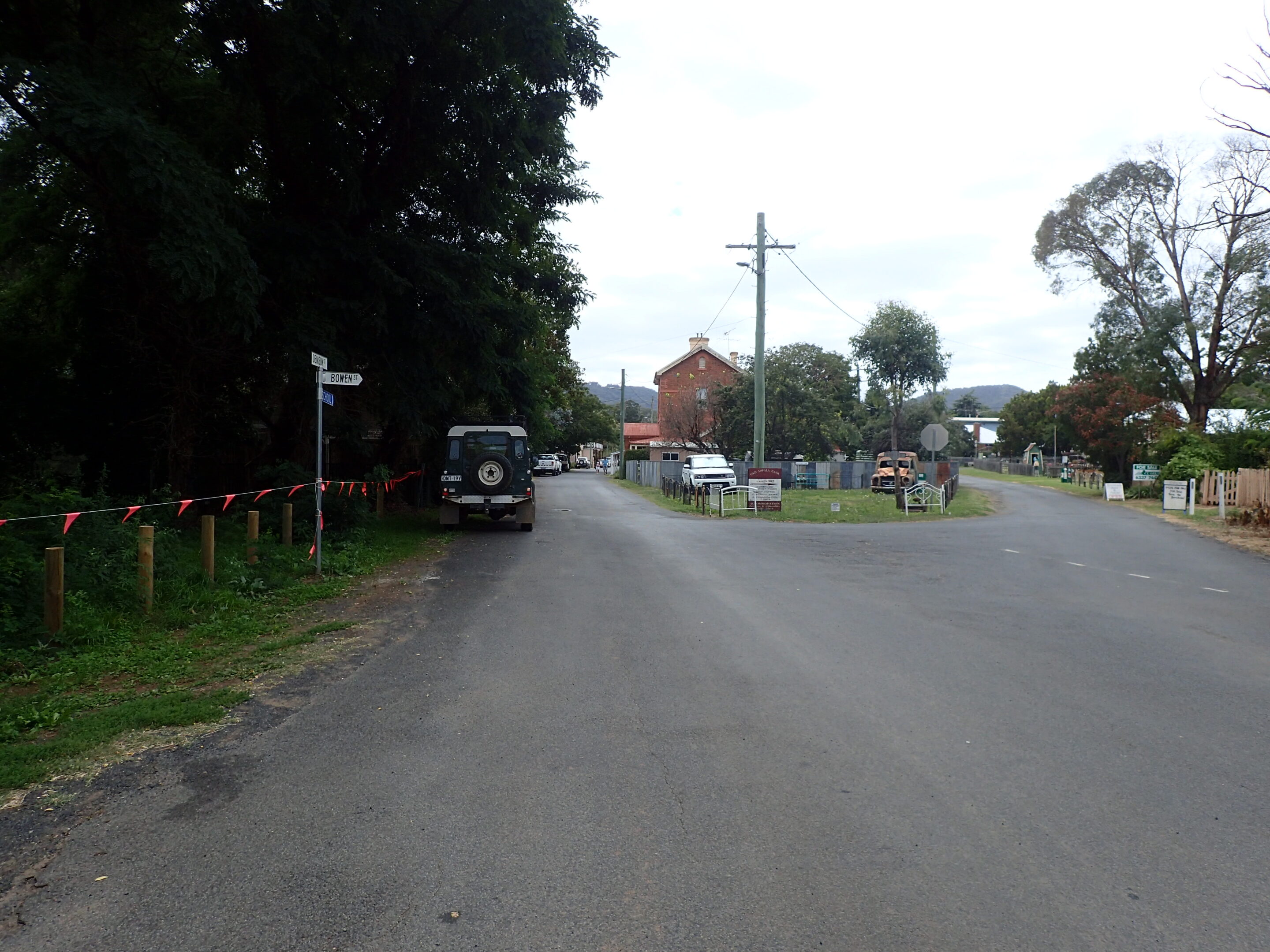
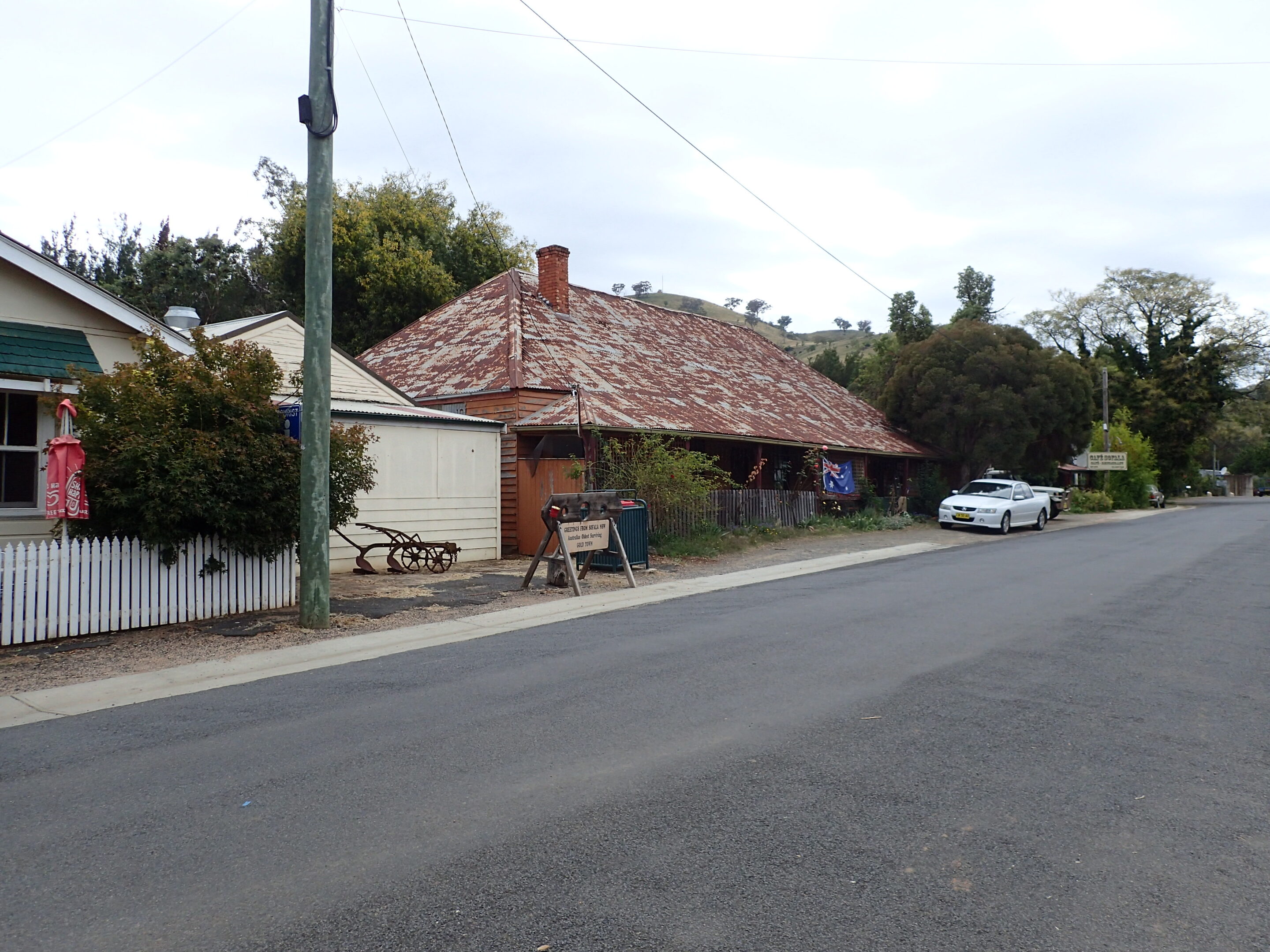
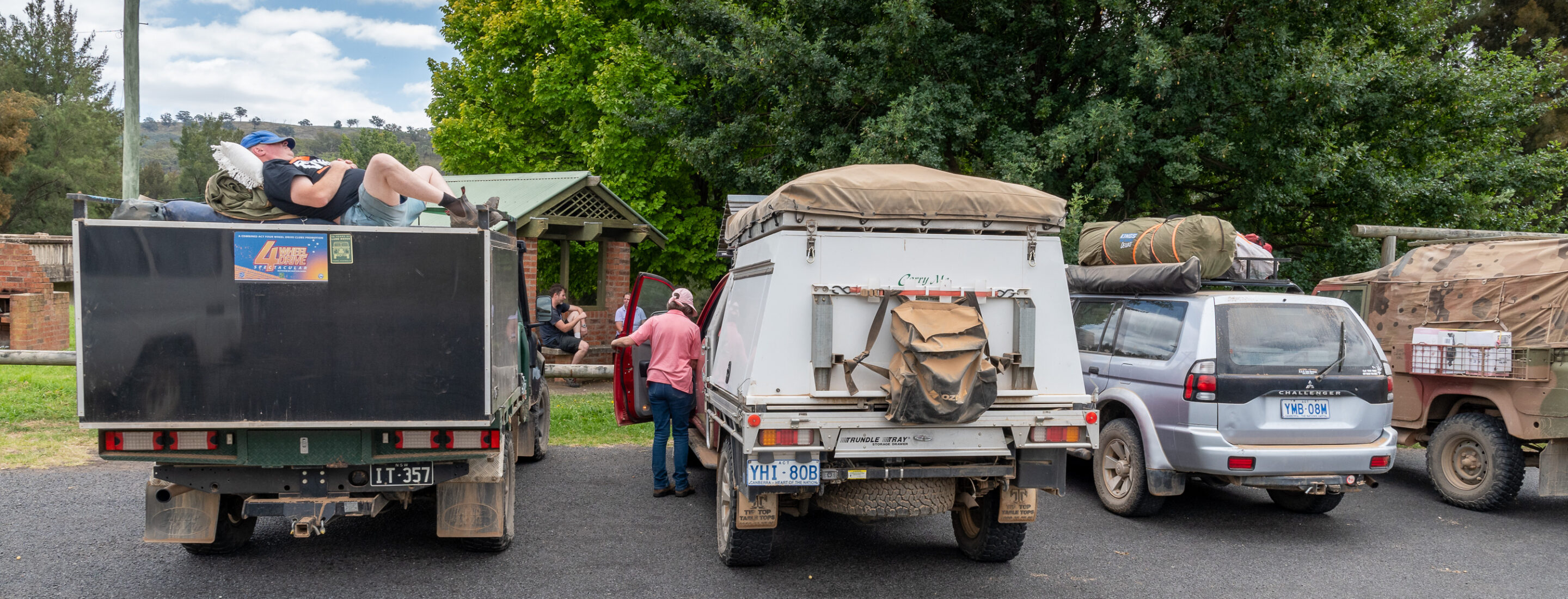
Sofala
Following lunch it was an easy bitumen drive into Hill End, stopping on the edge of town at the History Hill Museum. History Hill is a large privately owned collection of Australian gold rush memorabilia. The highlight would have to be climbing the seven ladders out of the underground mine.
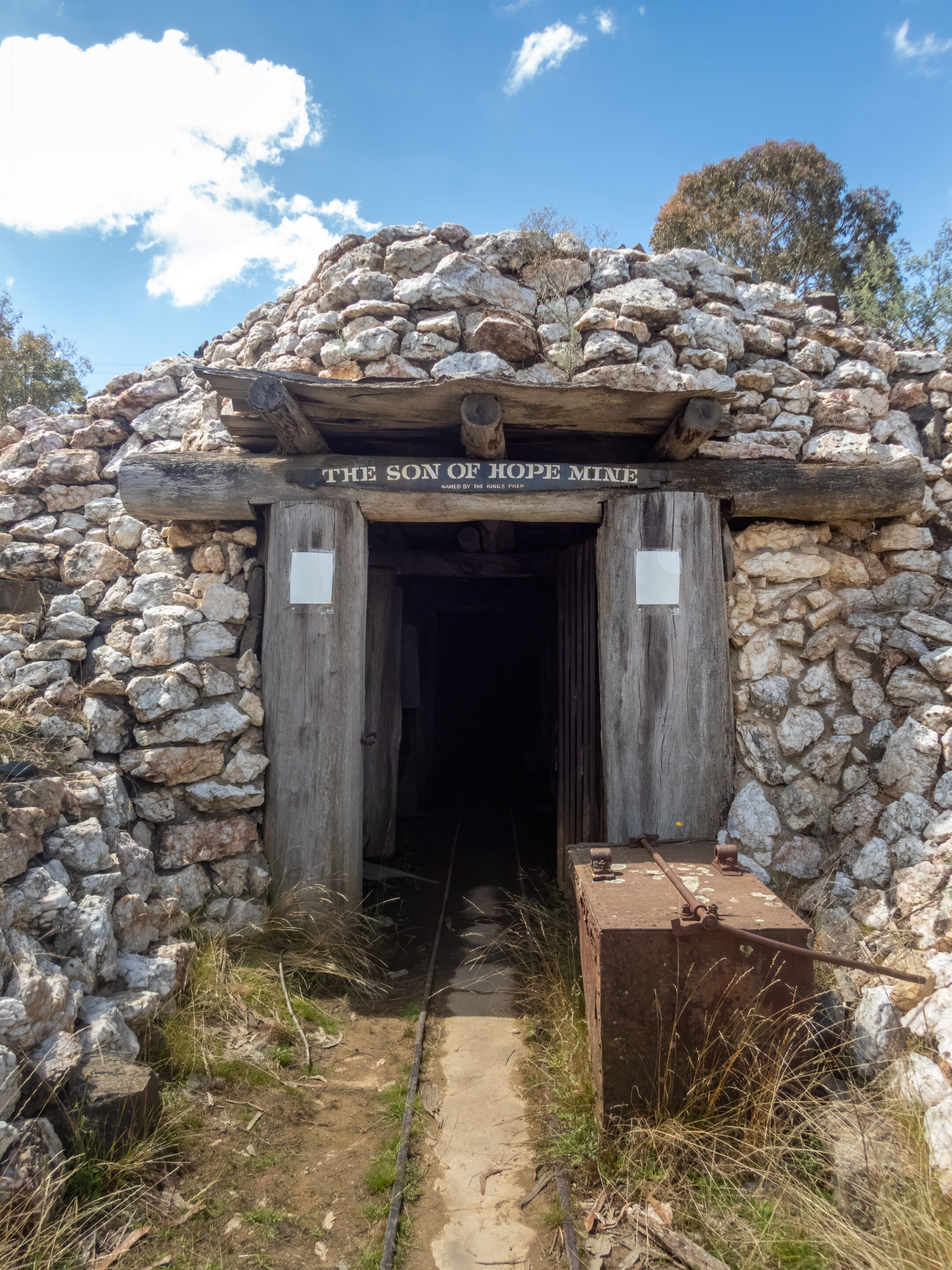
History Hill Museum, Hill End
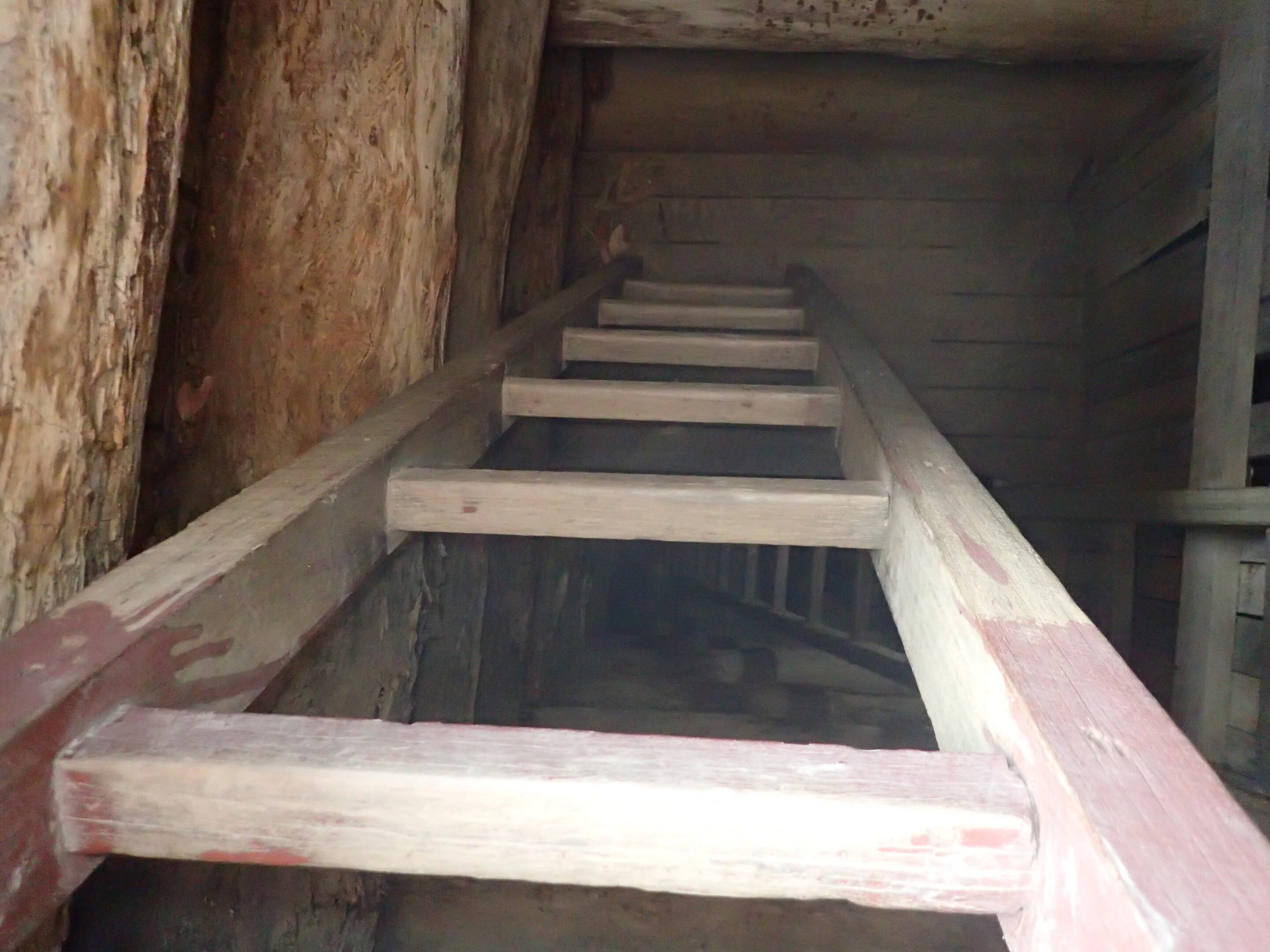
Climbing the seven ladders out of the mine
A stop in Hill End provided us with coffee and ice-creams. Hill End is a tree-lined former gold mining town of the 1850s. Hill End is classified as a historical site by the National Parks and Wildlife Service (NPWS) but a pub, store, and cafe are run in the historic town by locals. National Parks also runs a museum at Hill End. Hill End Primary School also still operates.
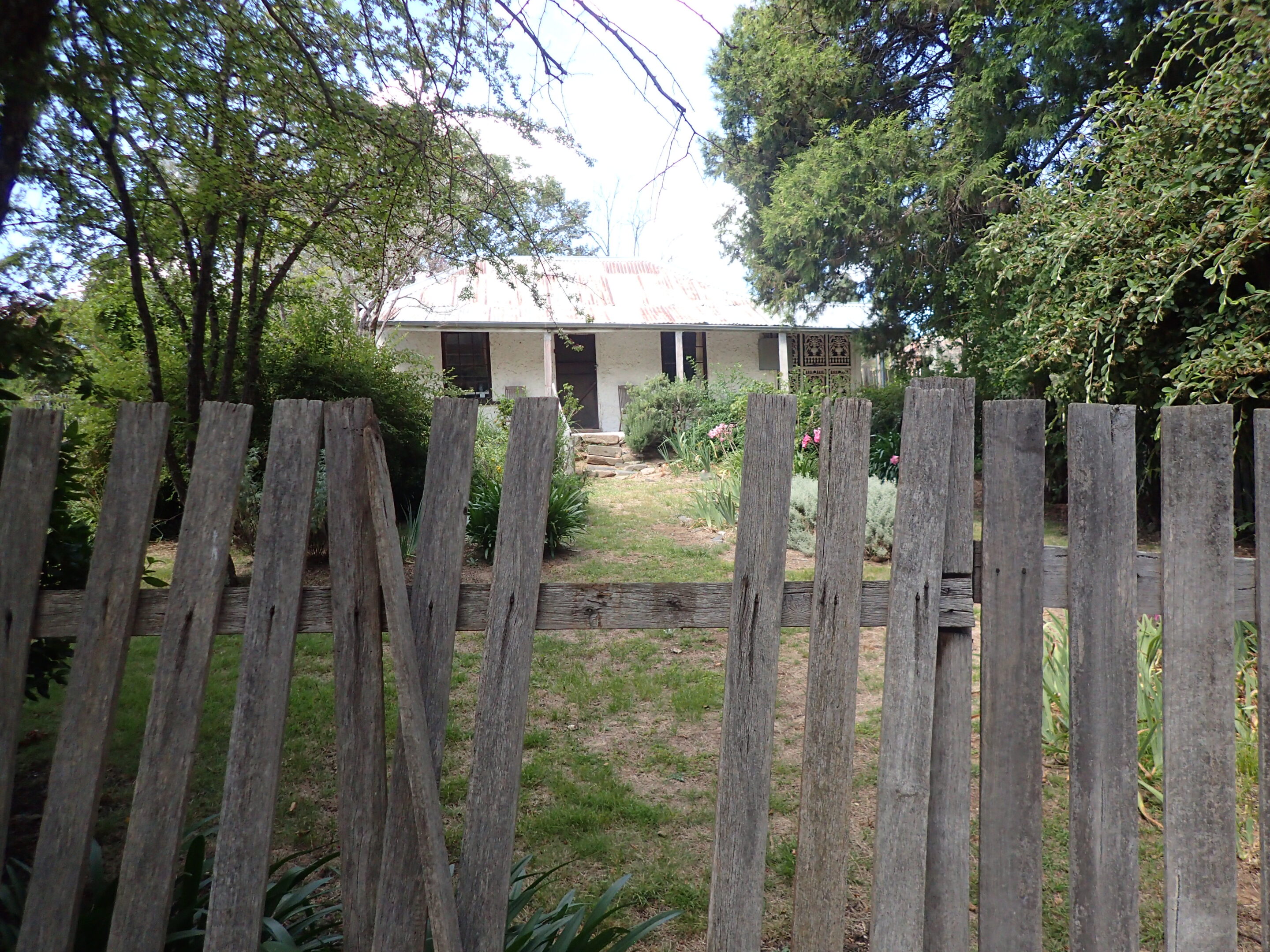
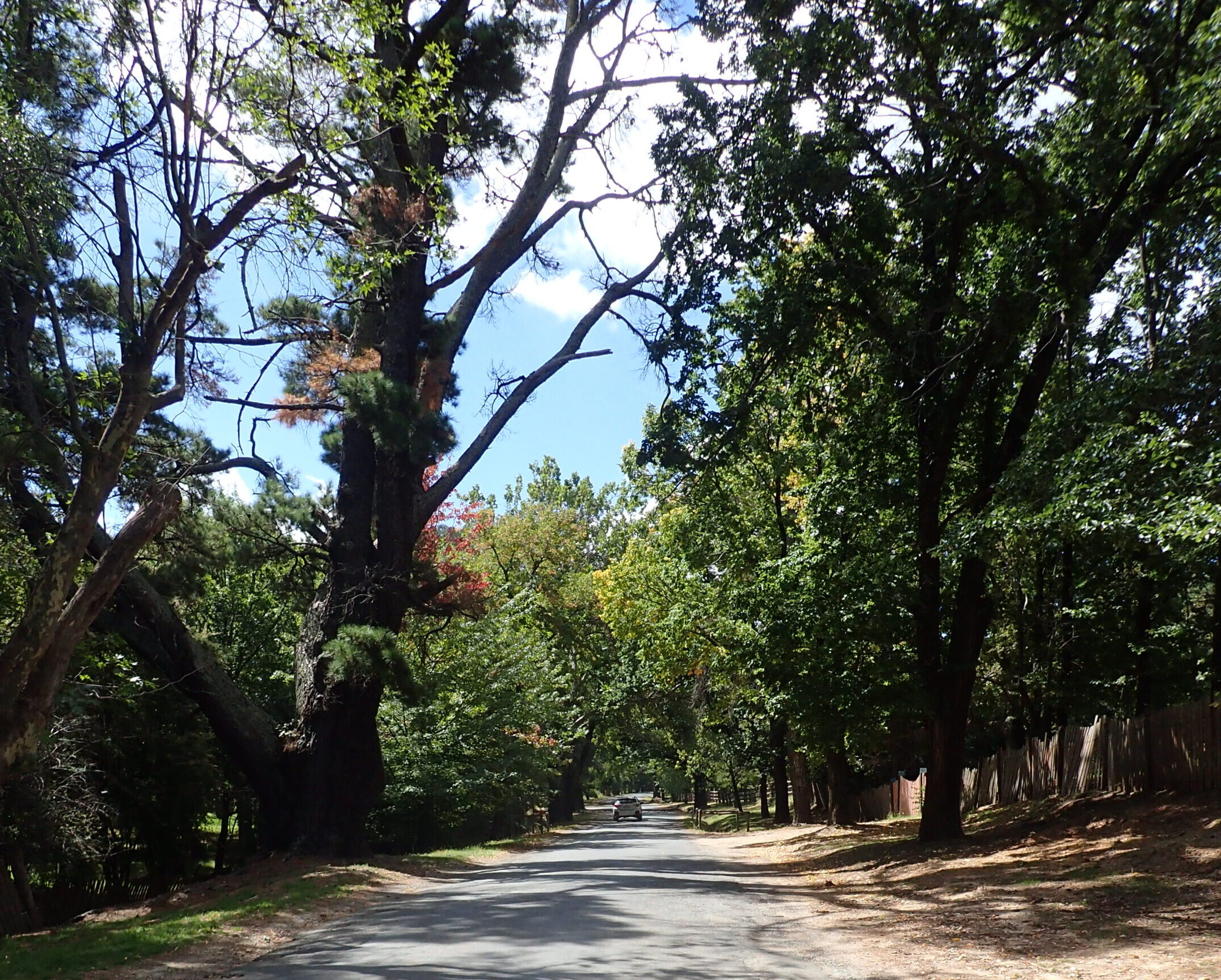
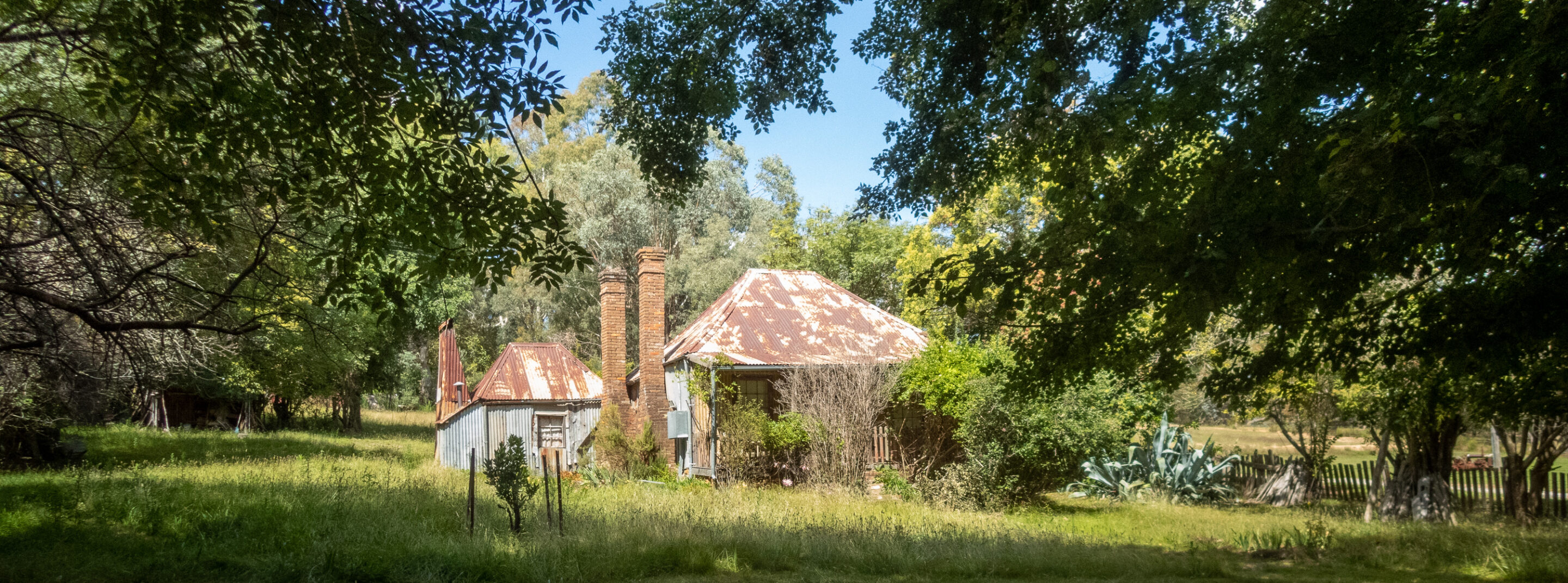
Hill End
Back on the dirt we commenced our journey on the Bridle Track. The track was originally built for horseback riders providing a link to Bathurst. Today it is a rough and narrow road down the side of a steep valley with sharp cuttings into the hillsides. At the valley floor you reach the Macquarie and Turon Rivers. It is accessible to 4WDs only. Thankfully we only met two cars travelling in the opposite direction. The track once linked Hill End and Bathurst but due to a rock fall at Monaghan’s Bluff in 2010 the road no longer connects the two towns.
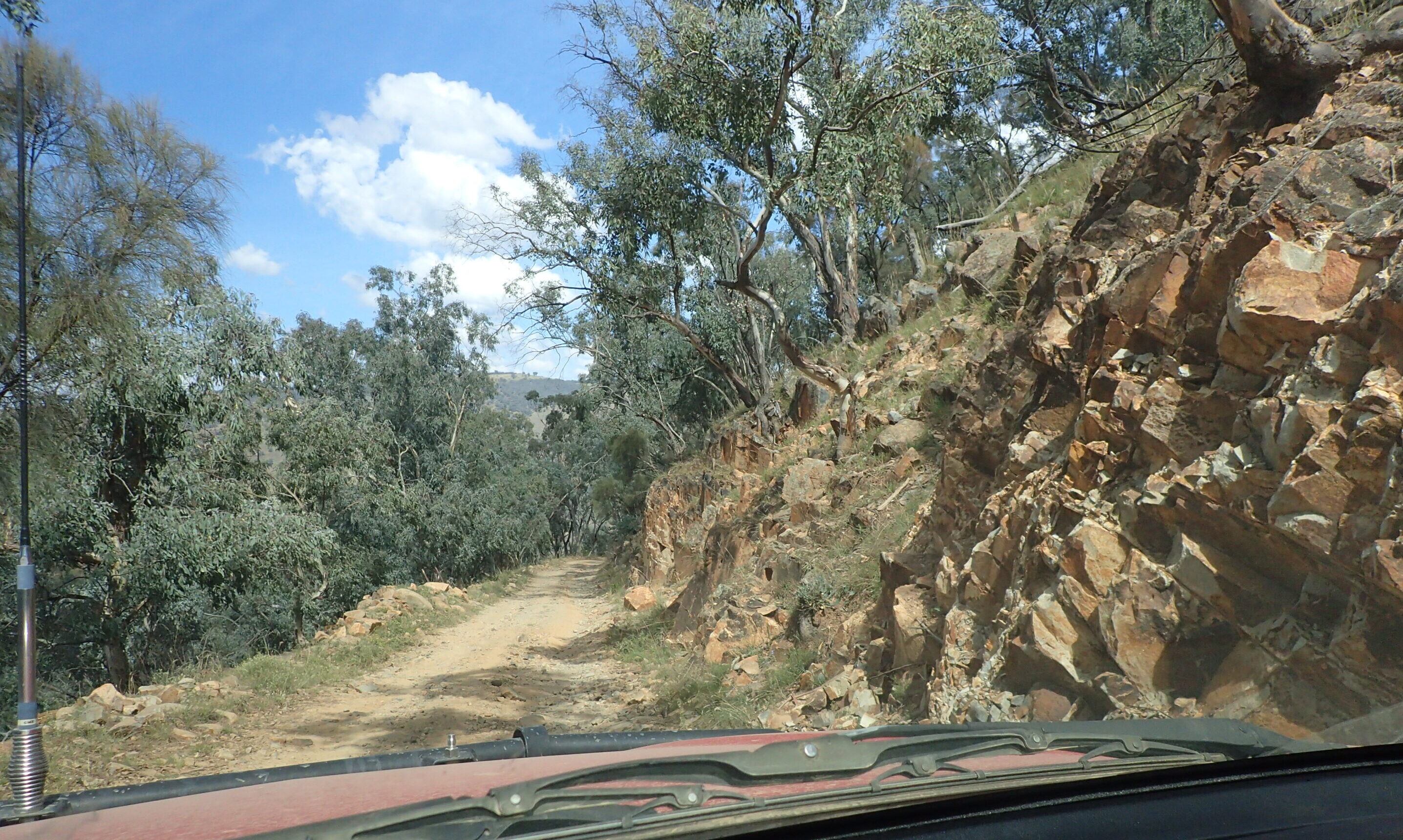
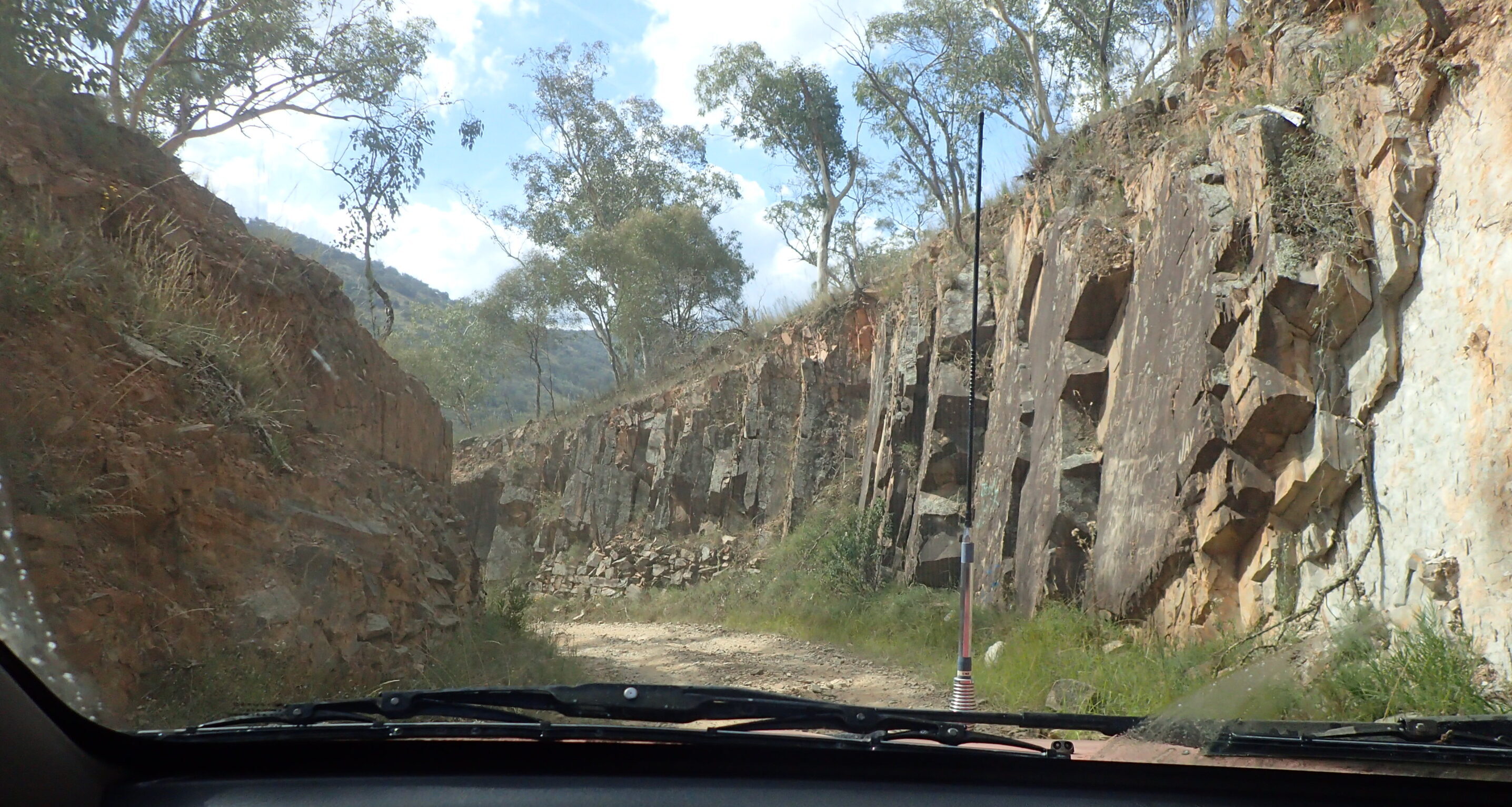
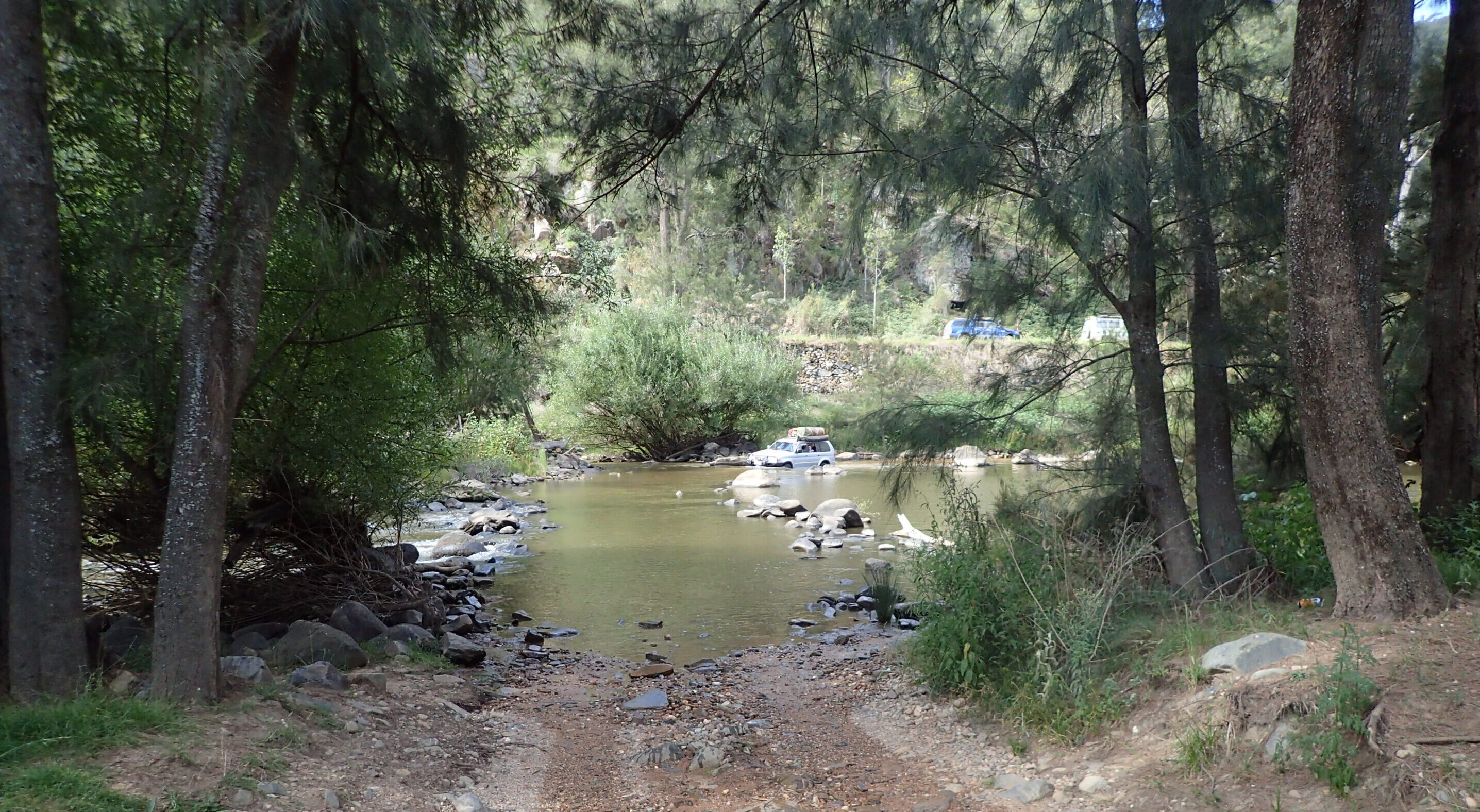
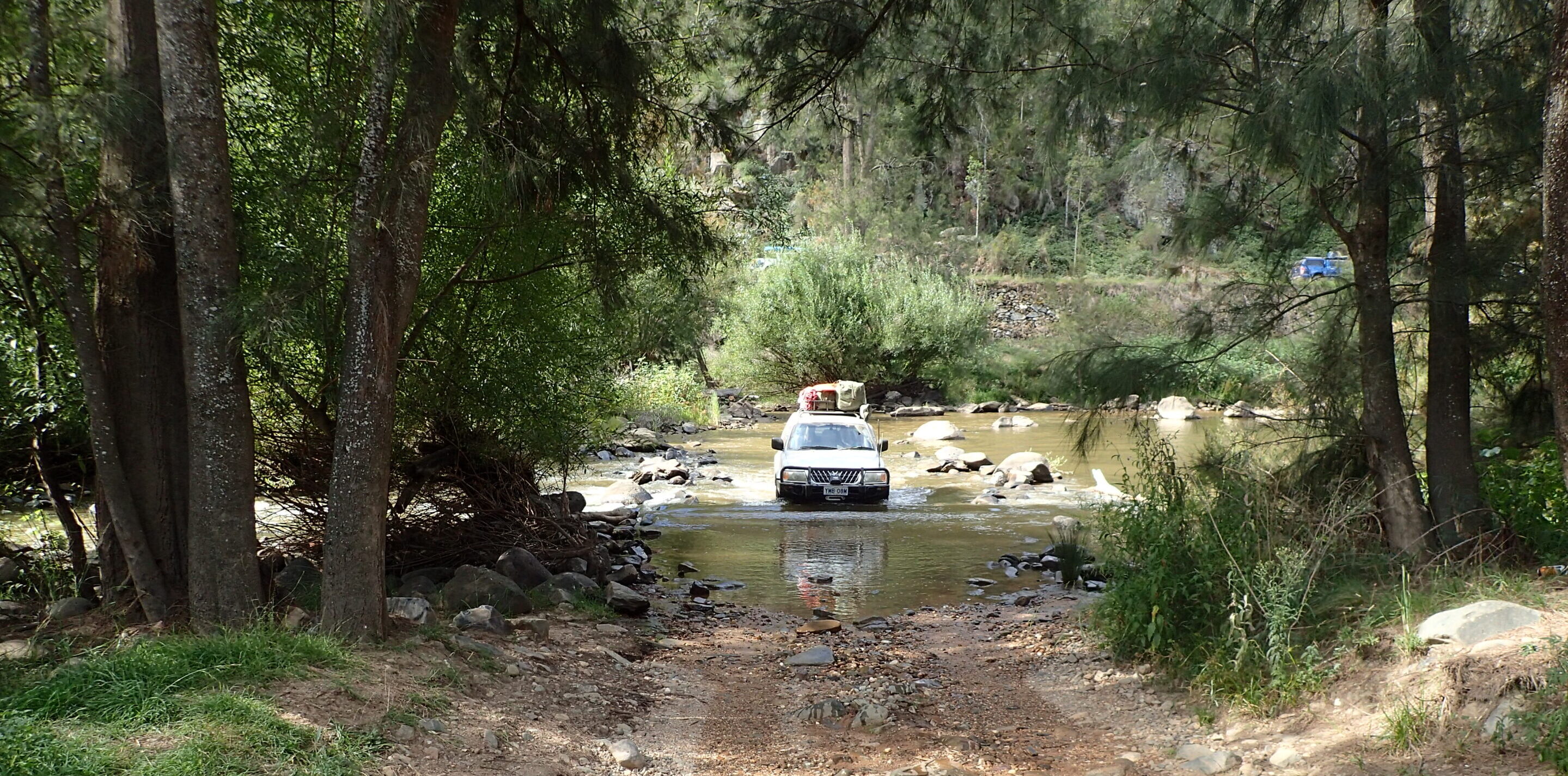
On the Bridle Track
Although it was difficult finding a large camp spot, we settled into a campsite to ourselves on the banks of the Turon River. The river water was surprisingly warm and some campers took advantage of the river to wash off the day’s dust. The evening was spent by the campfire enjoying each other’s company, telling ghost stories, reminiscing about past trips, and dreams of future adventures.
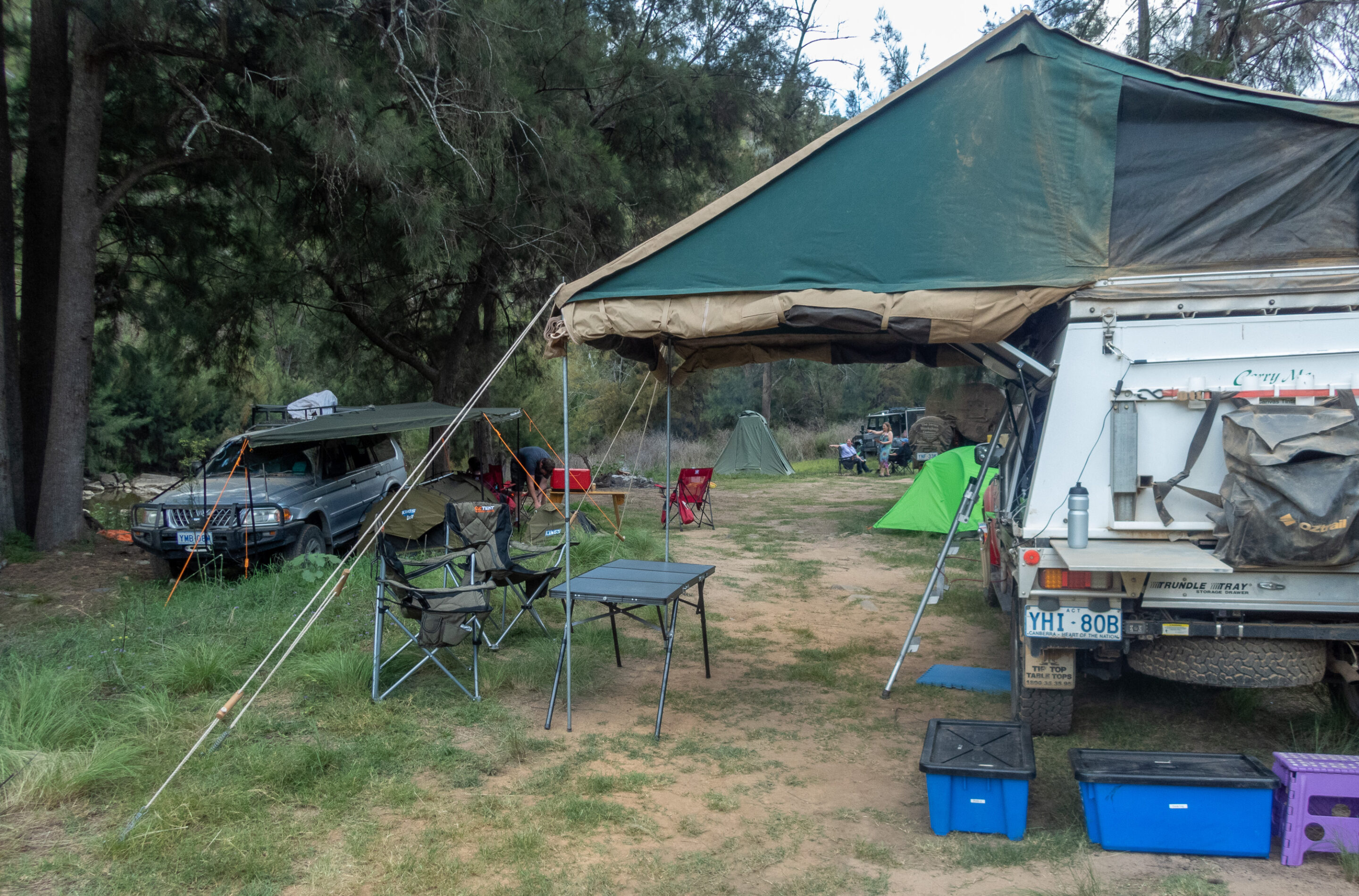
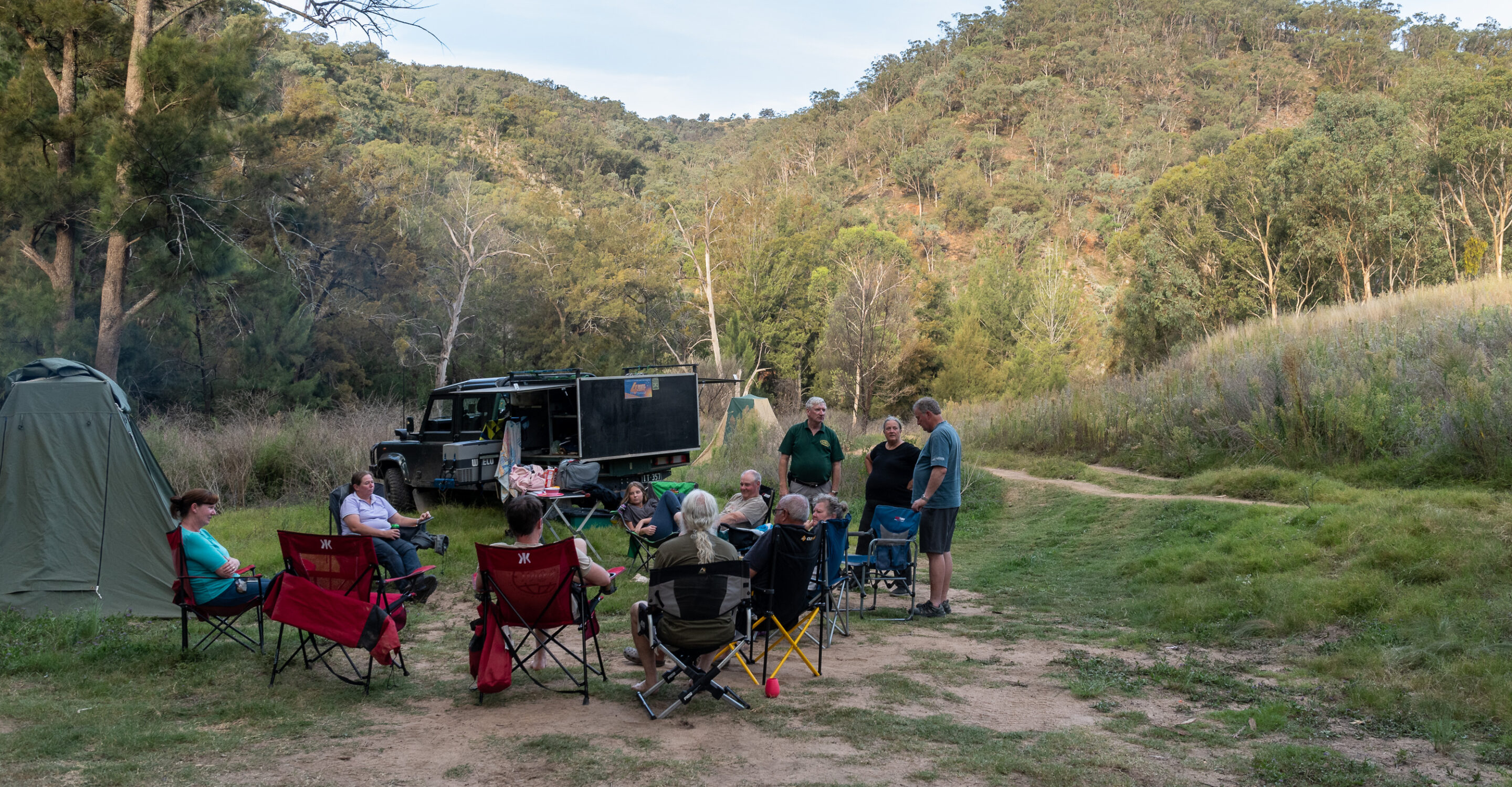
Camping on the Turon River
Congratulations to Blossom and Geoff; today they reached the 400,000 km milestone of journeying around Australia together.
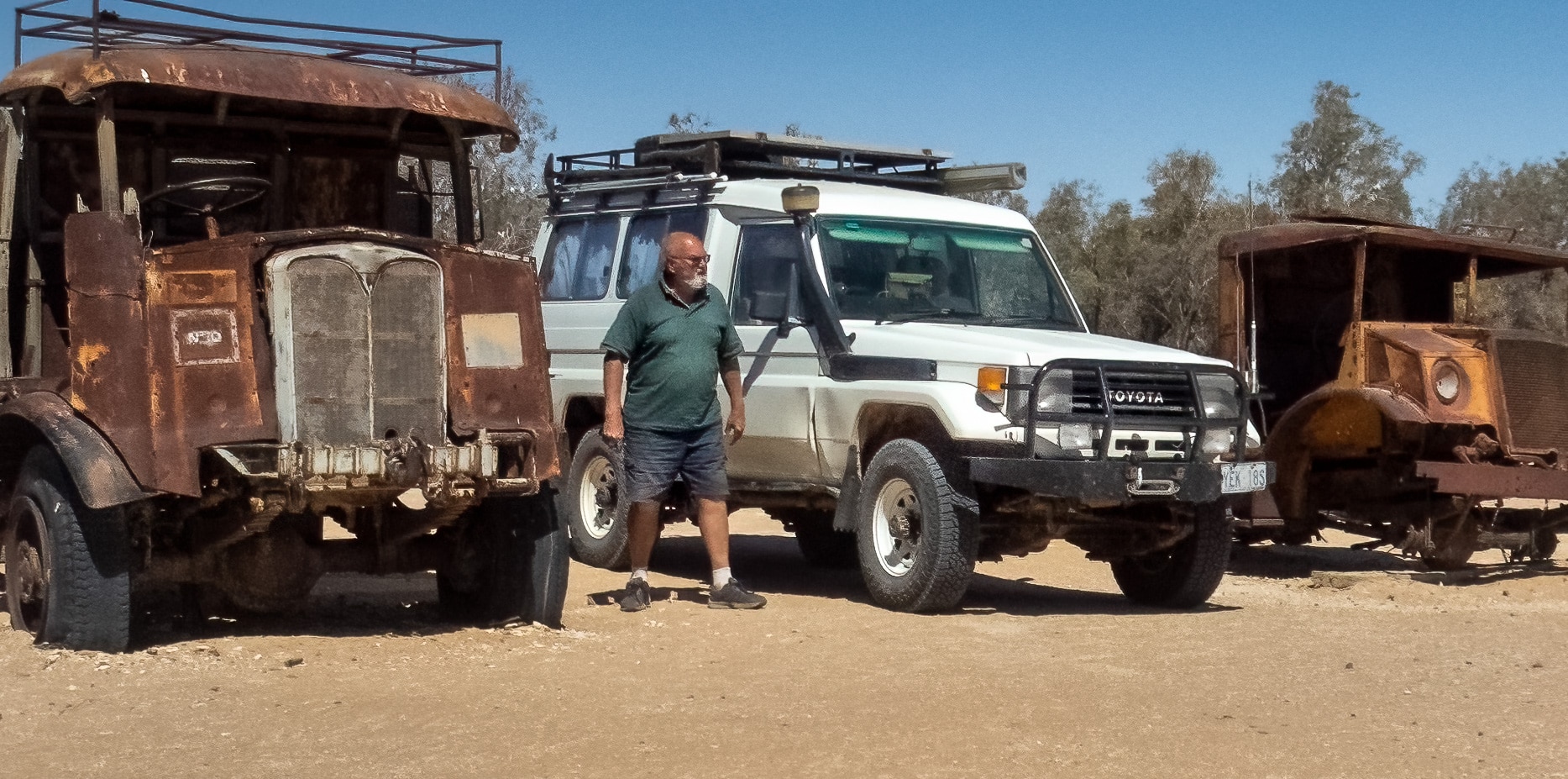
Geoff and Blossom on the Birdsville Track in 2019
Day 3: Saturday 8 March 2021
Another relaxing start with a 9.00am departure retracing yesterday’s journey along the Bridle Track.
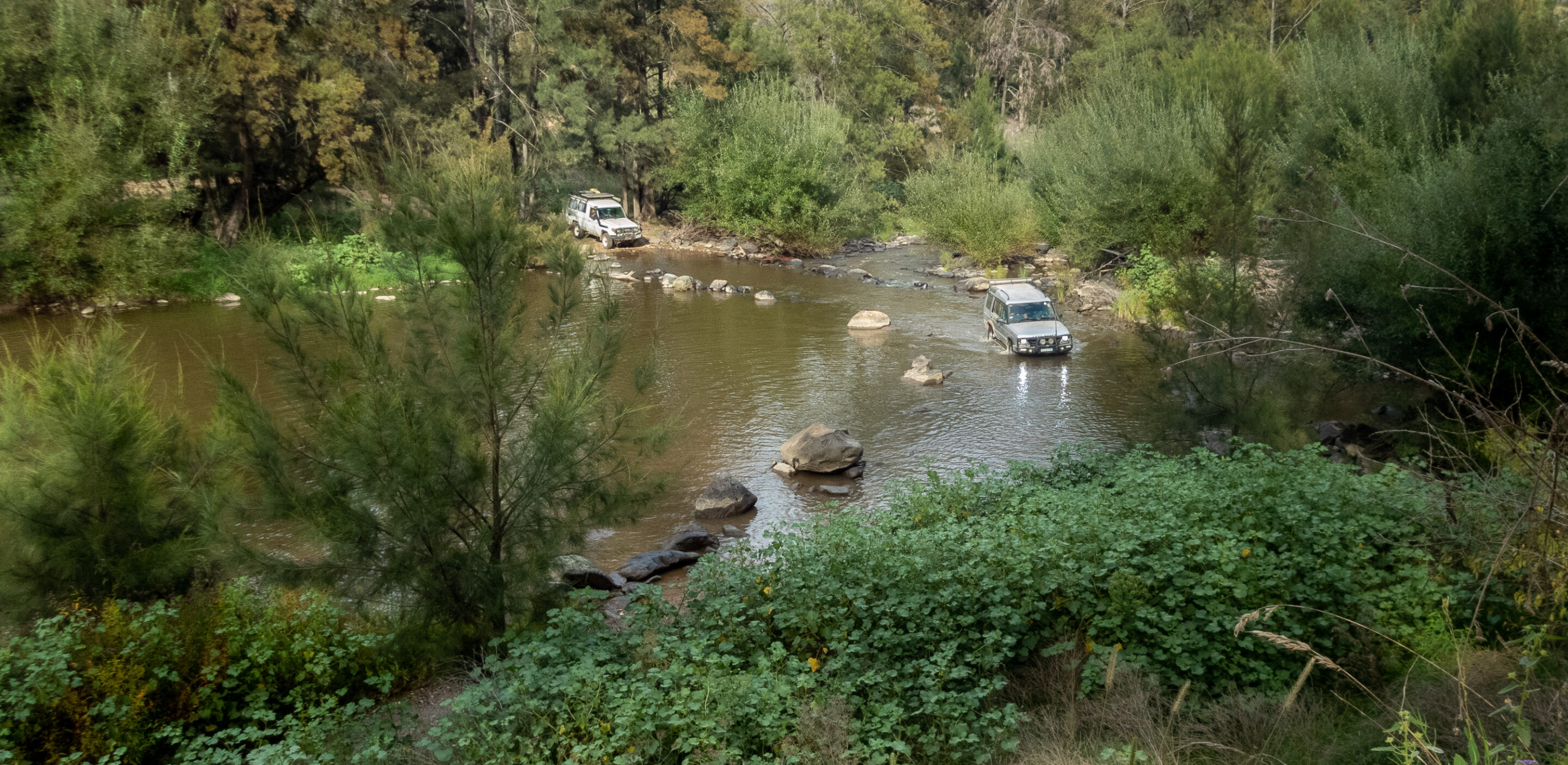
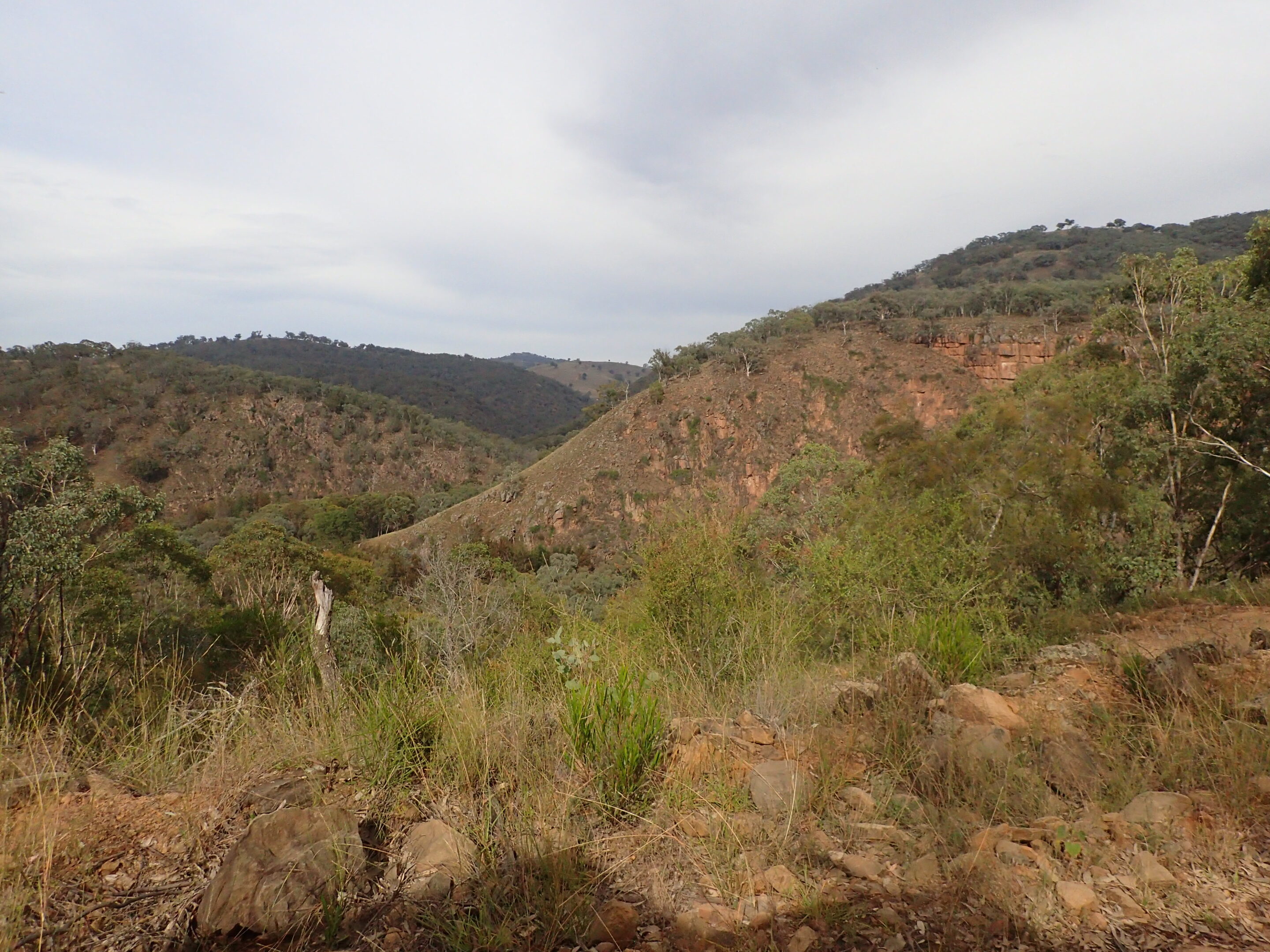
Exiting on the Bridle Track
Back in Hill End we made our way to Merlin’s Lookout. The lookout gives you an idea of the size and scale of mining in Hill End.
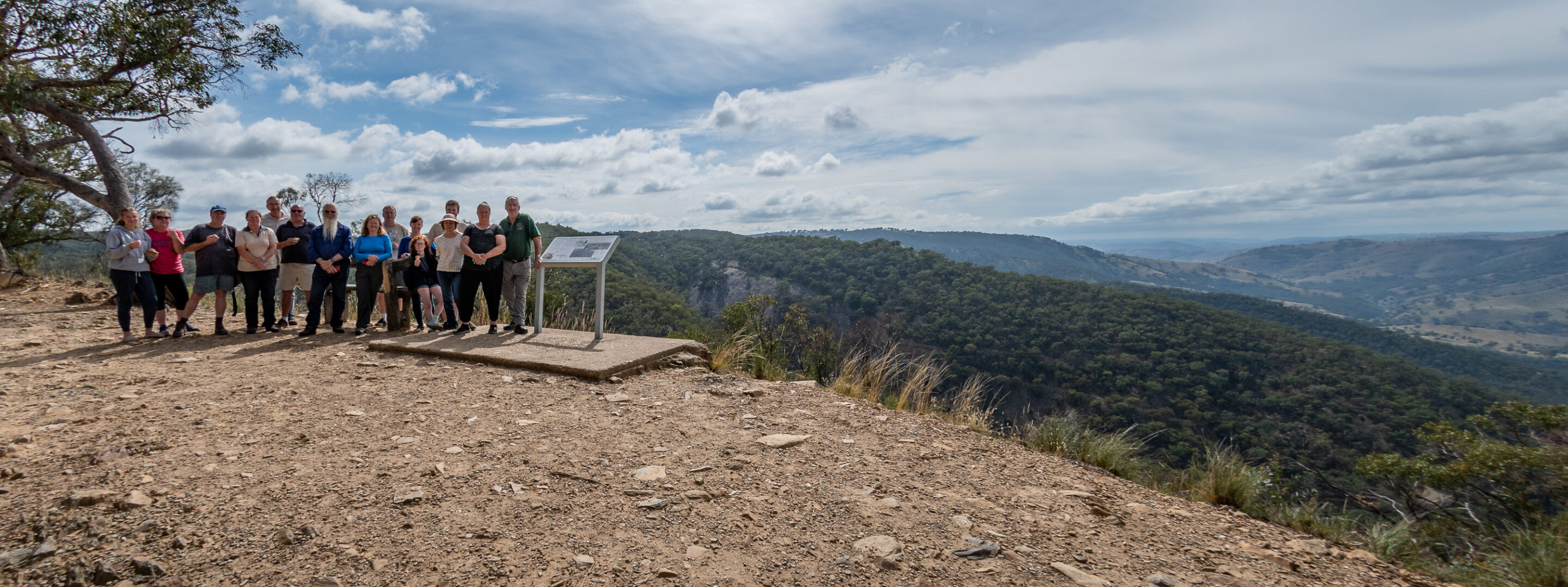
Merlin’s Lookout
Back into our vehicles we headed to the Cornish Roasting Pits. This was a very interesting area and well worth a visit. Established in 1855 by the Colonial Gold Mining Company, the roasting pits were used to make the process of extracting ore easier. Quartz gravel and timber were layered into the pits and roasted thus weakening the ore and making it easier to extract the gold when crushing it in the battery. The pits were operated by Cornish miners. Unfortunately the process wasn’t so successful and the operation went bust within a year. The pits and the old battery site can still be seen.

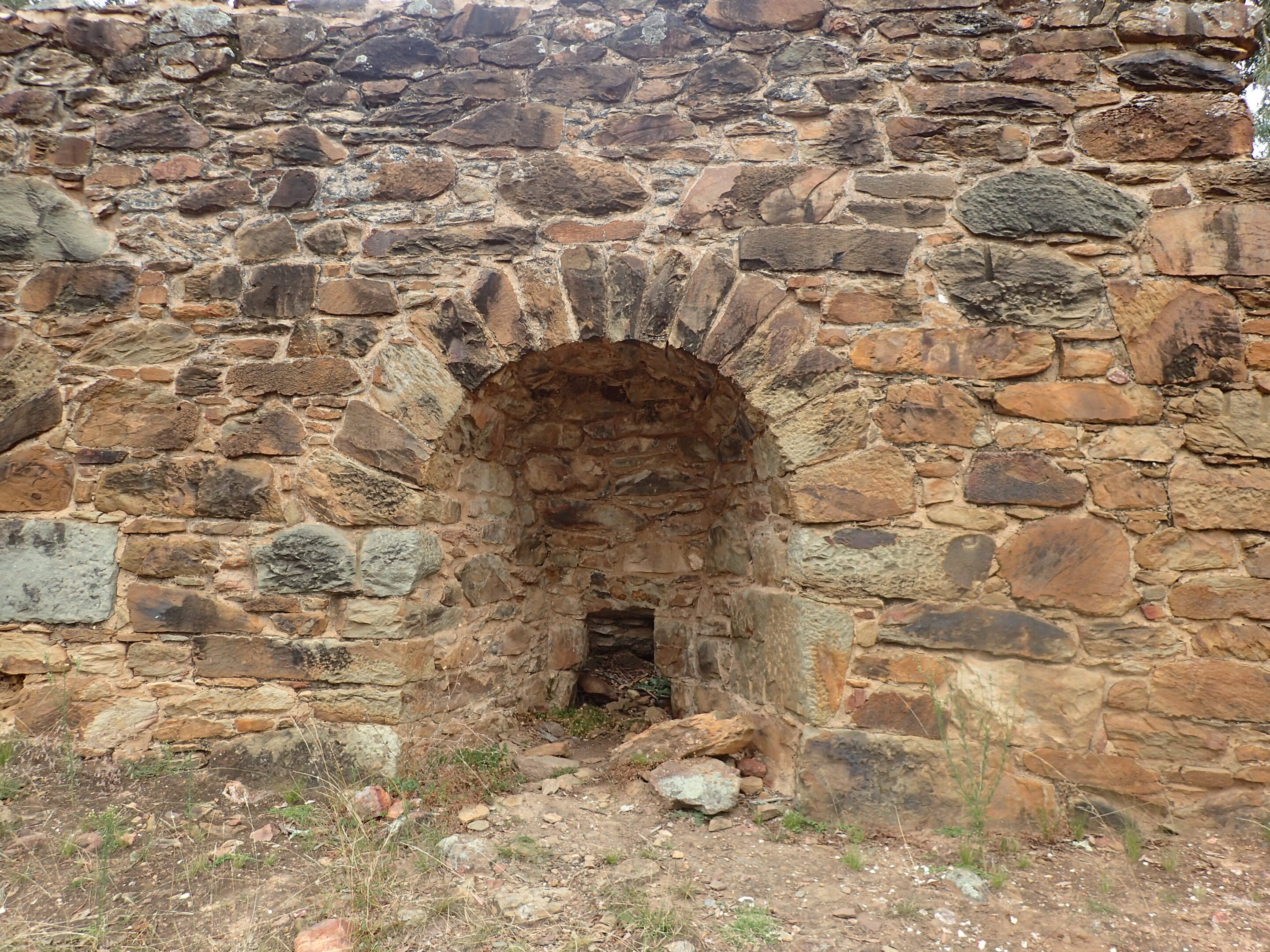
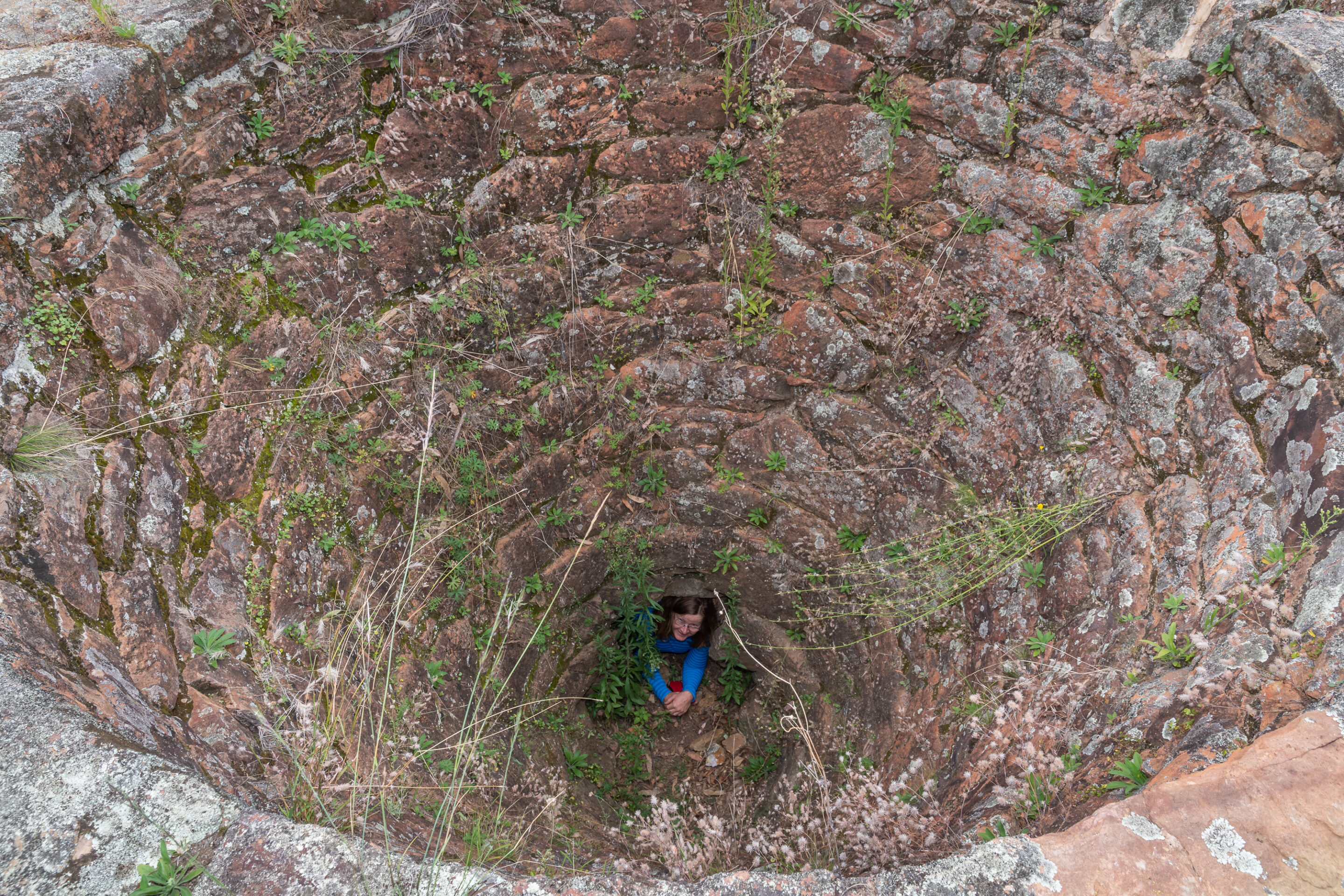
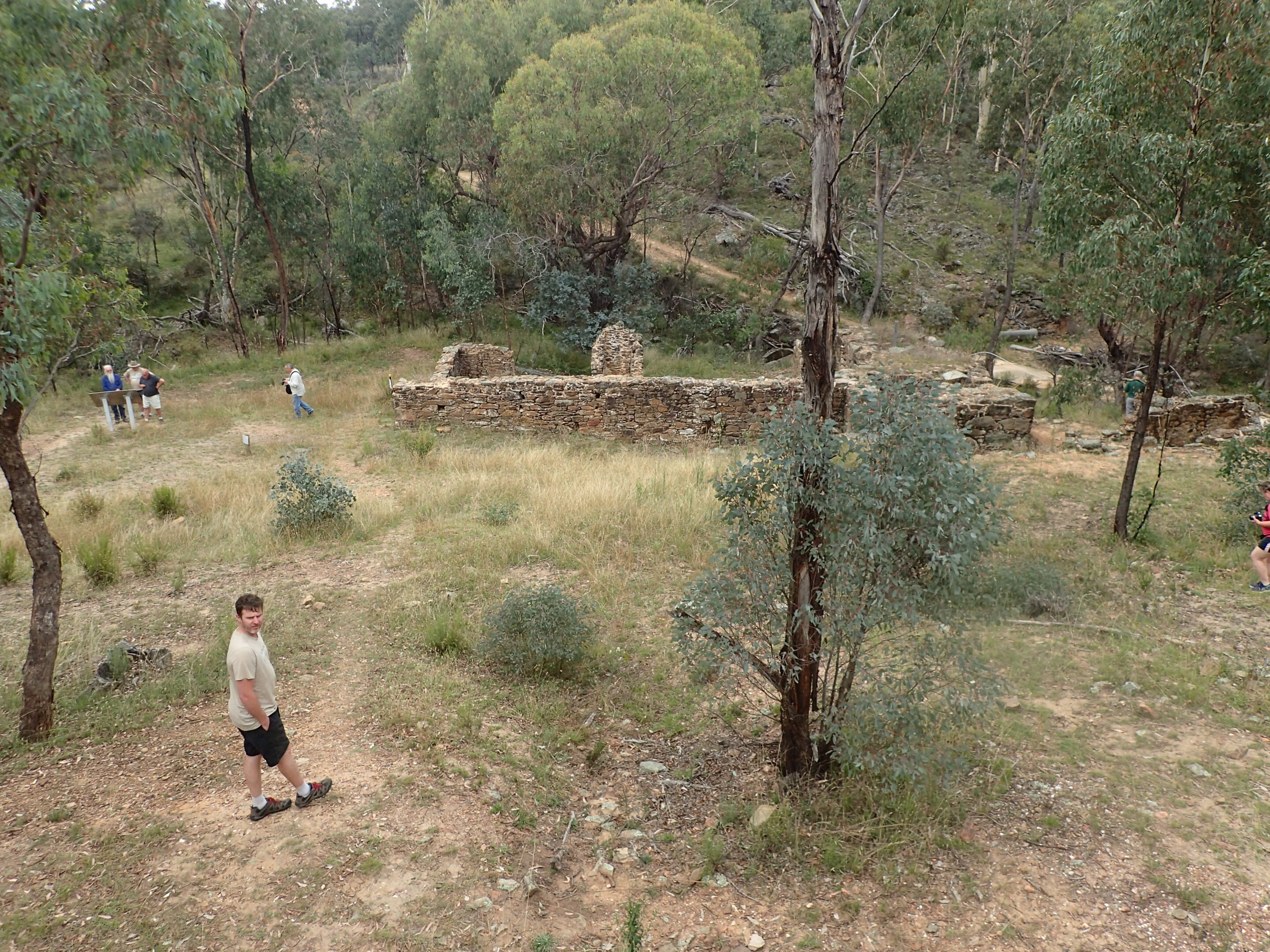

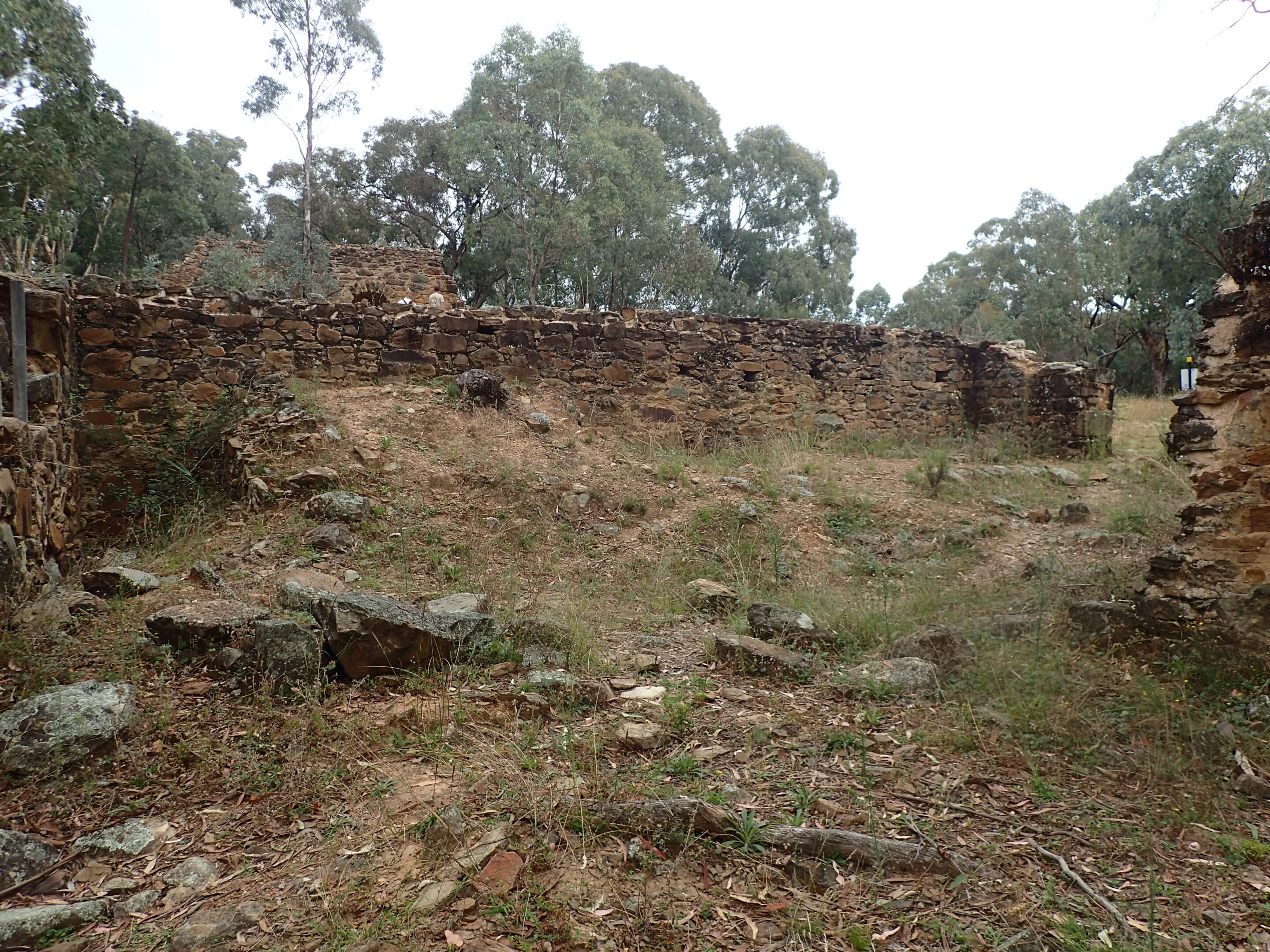
Cornish Roasting Pits
Leaving the Pits the convoy followed Alpha Road, Ullamalla Road and Dixons Long Point Road, along the dirt, crossing the Macquarie River and then into Mullion Creek township and on to Orange where the trip came to an end. Trip participants then made their own way back to Canberra.
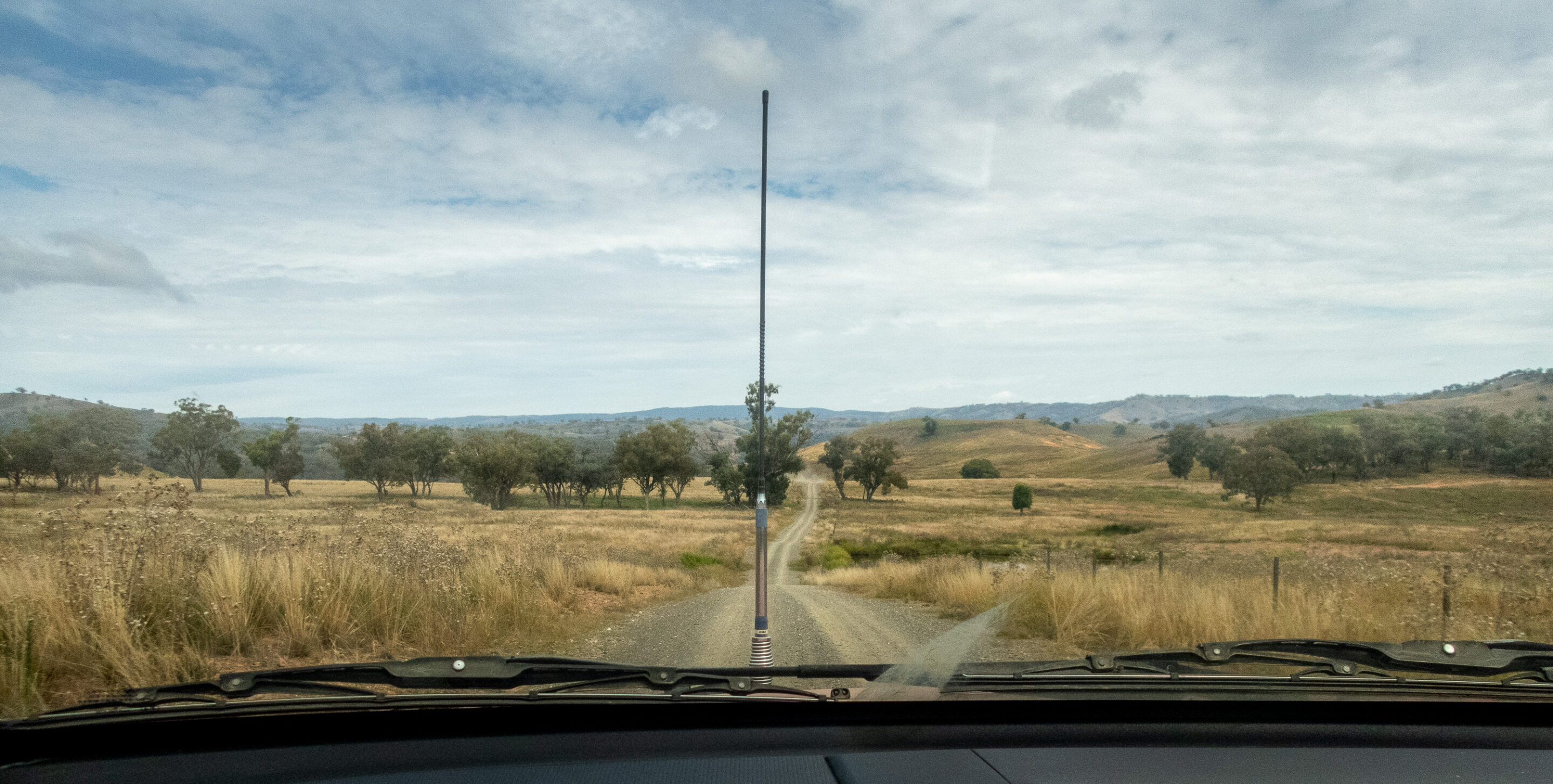
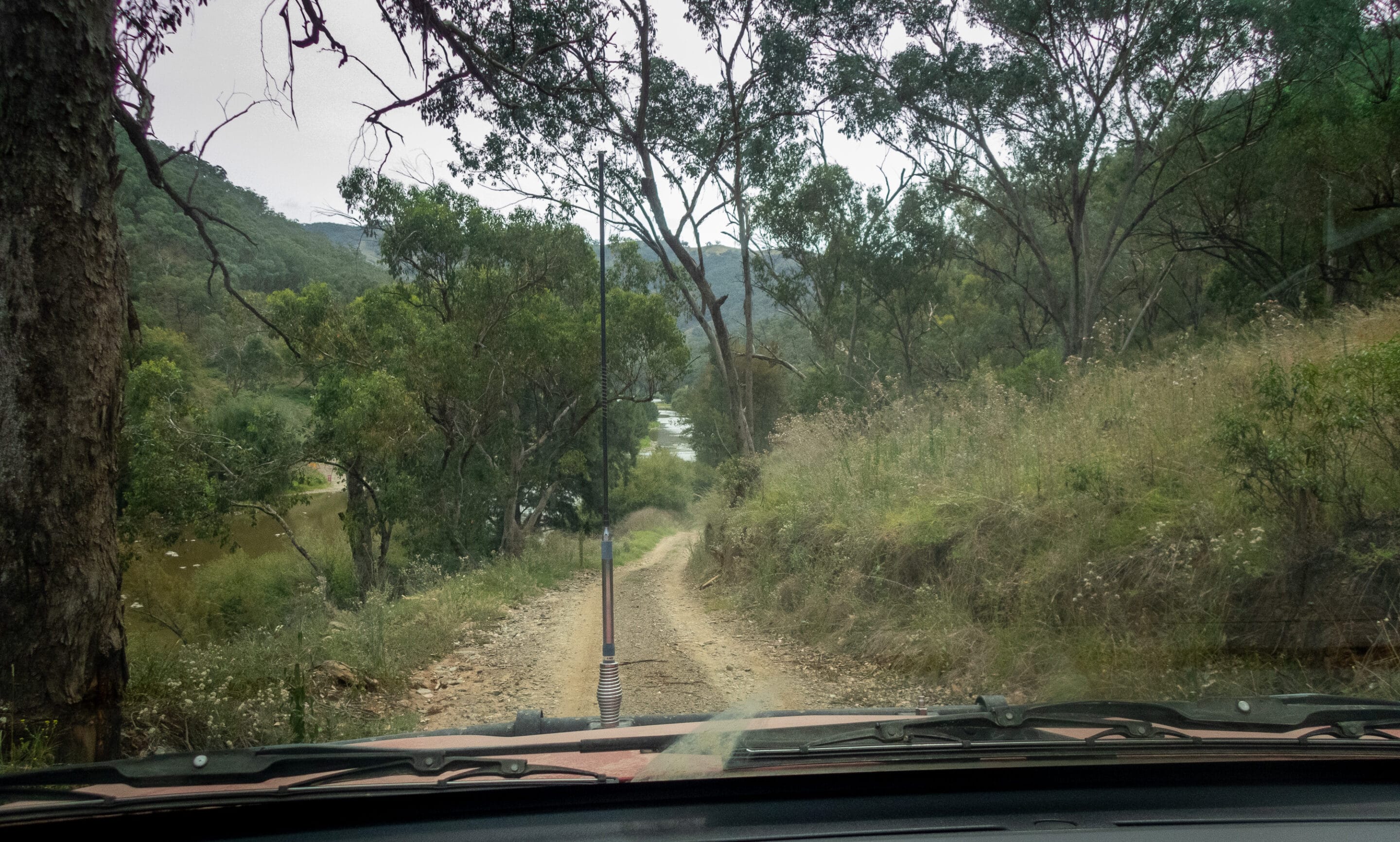
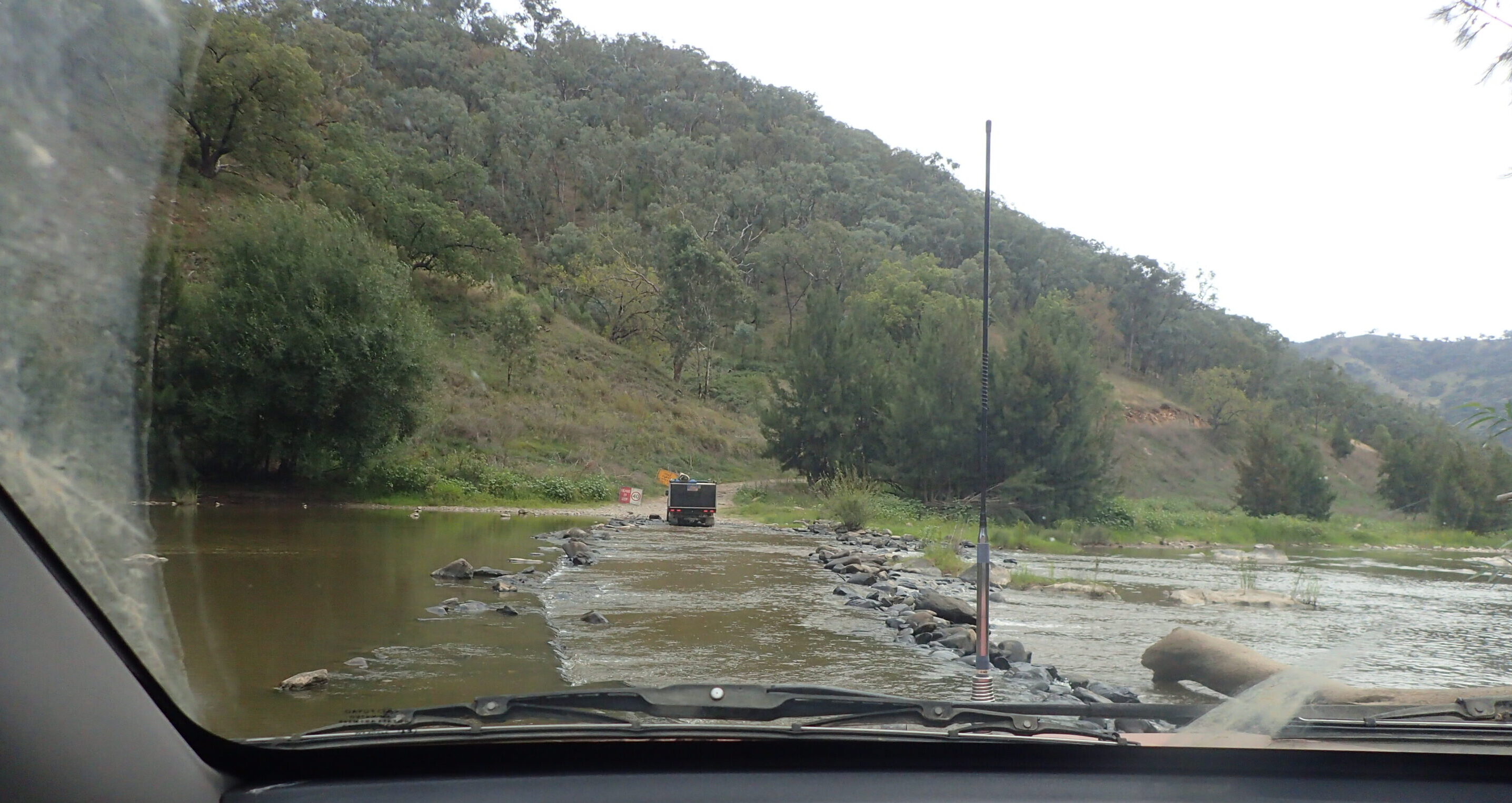
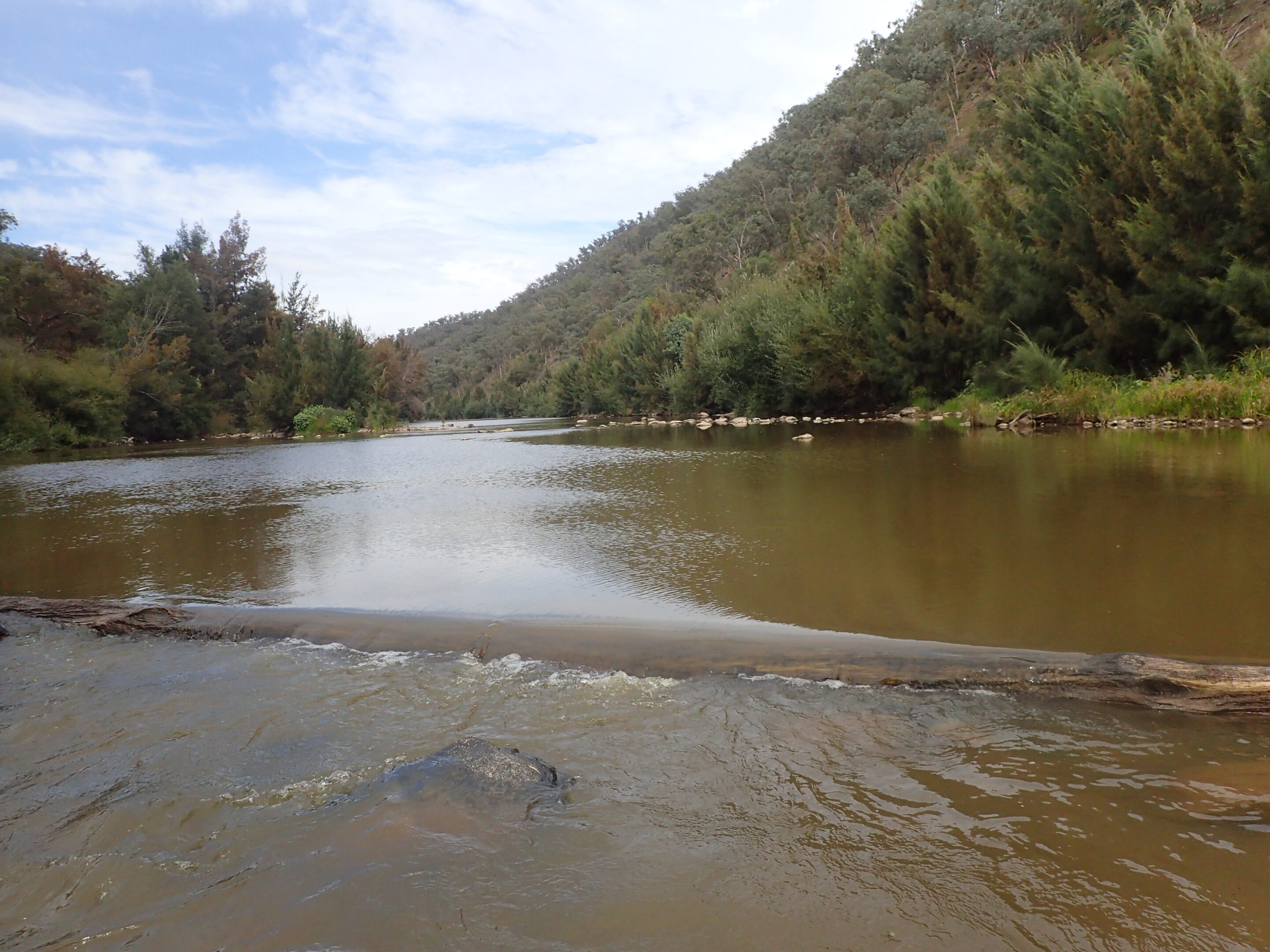
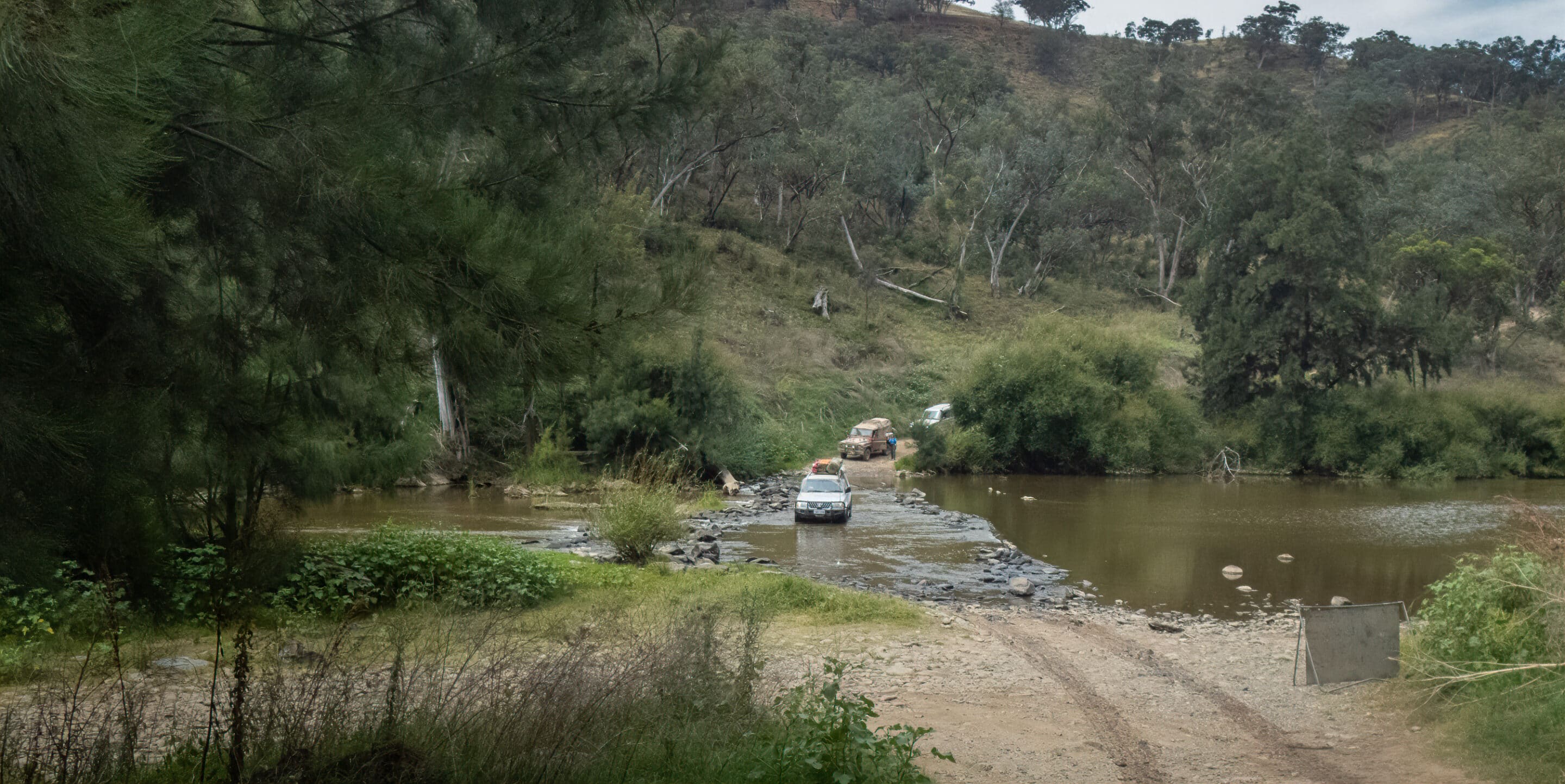
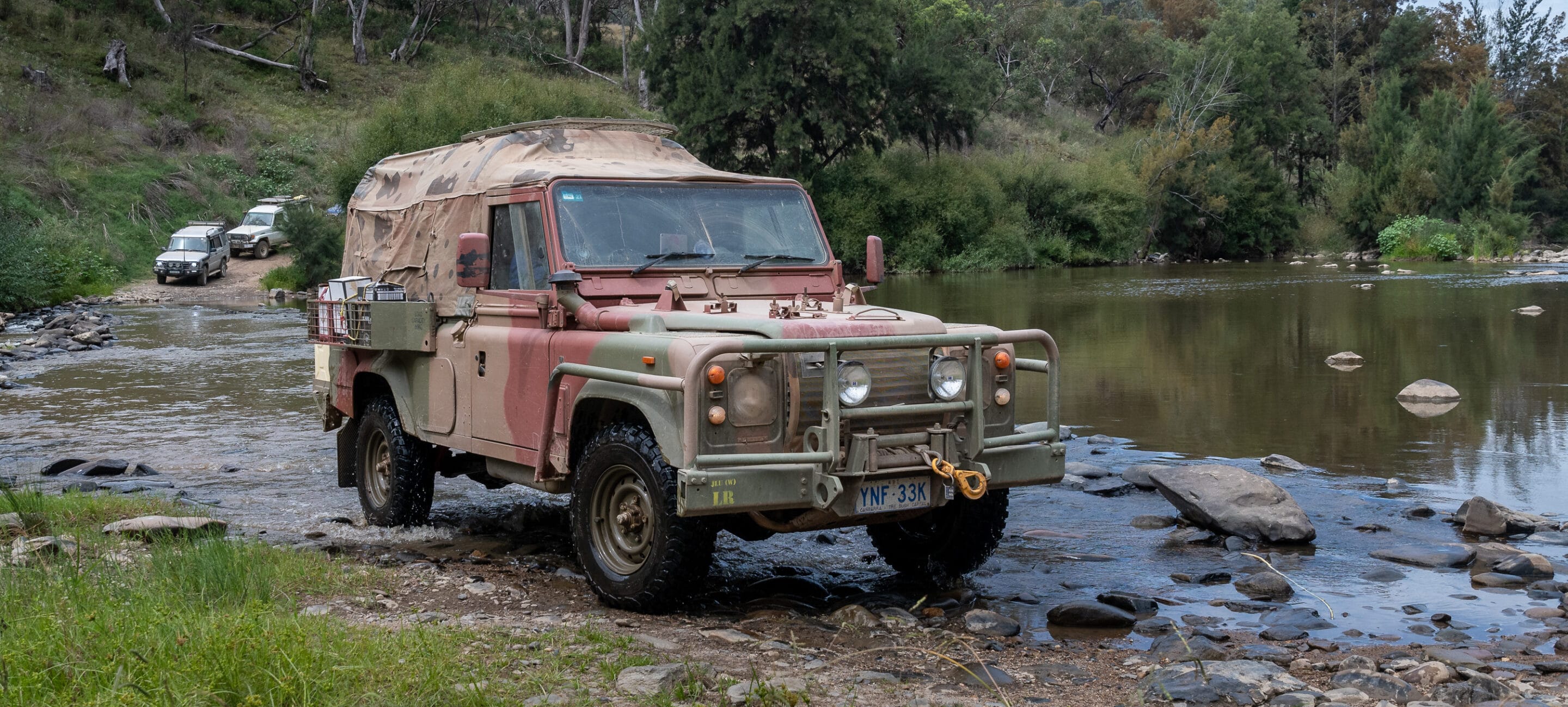
Long Point Road
On behalf of LRC participants, thank you Tote and Nicole for an enjoyable trip and informative commentary on our journey through the goldfields of NSW.
Trip report by Tom and Ann de Jongh