Participants:
Roy Bendall
Tom and Ann de Jongh (Trip Leaders)
Andrew Glennie
Robert and Zydre Pember
Michael and Lynne Thomson
It was a bleak day in Canberra as the group departed for South Australia. We made our way westward across NSW and SA via Junee, for the obligatory liquorice stop, and overnight stops at The Willows in Yanga State Conservation Area, Renmark and Port Wakefield.
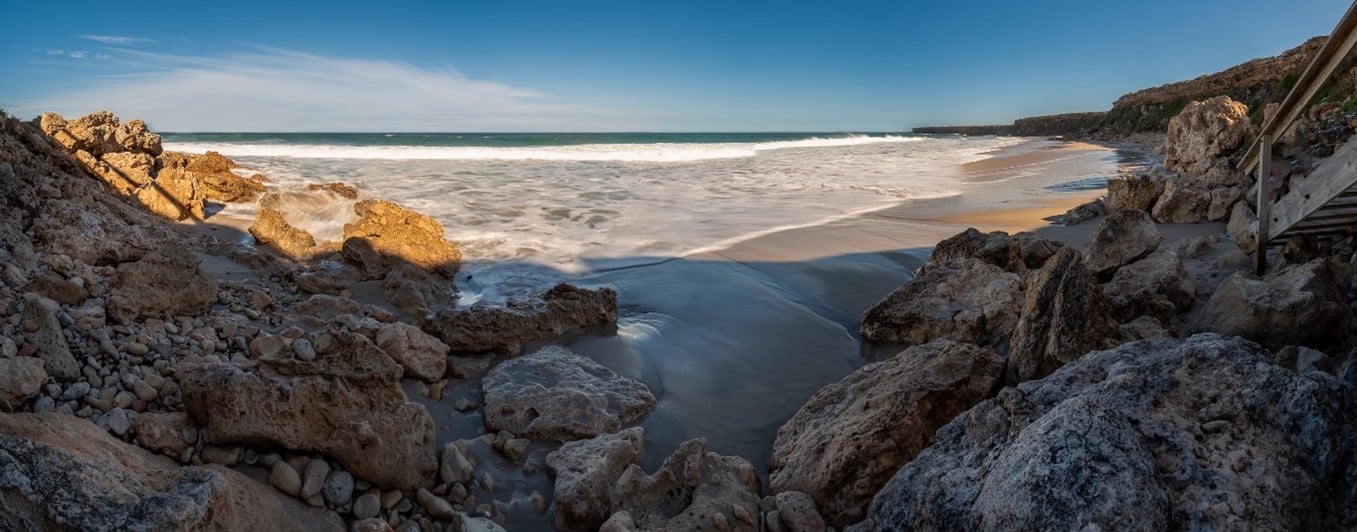
The Yorke Peninsula provided us with many kilometres of coast to explore pristine beaches, wild surf, cliffs, birdlife, and dolphins. The coast ensured that a wind stayed with us for the entire trip, and explains why we saw so many wind farms.
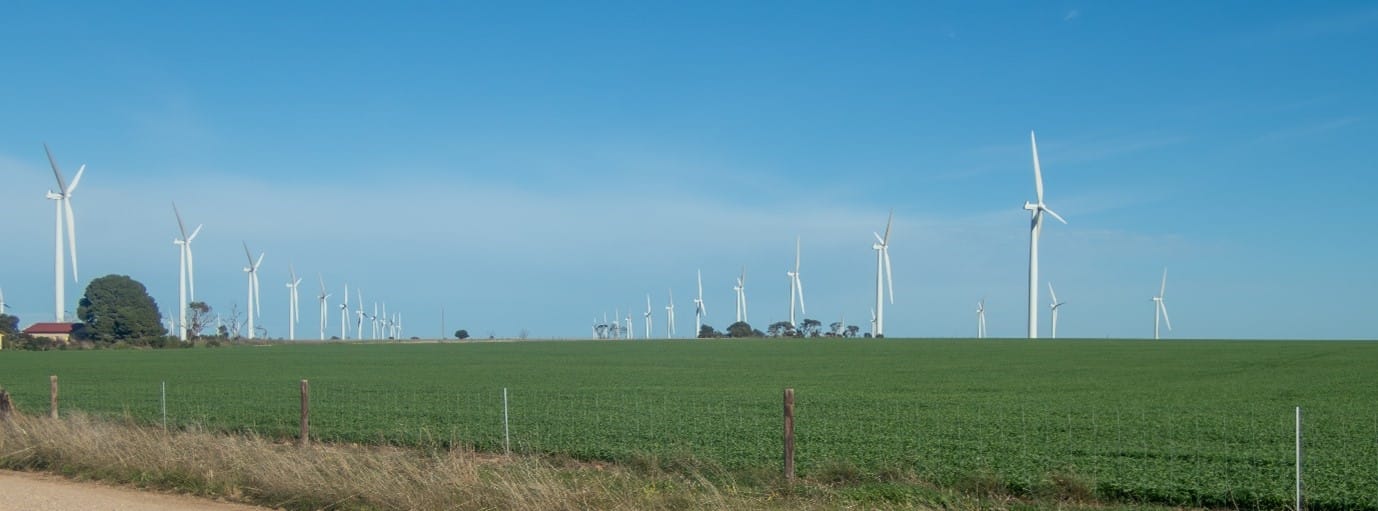
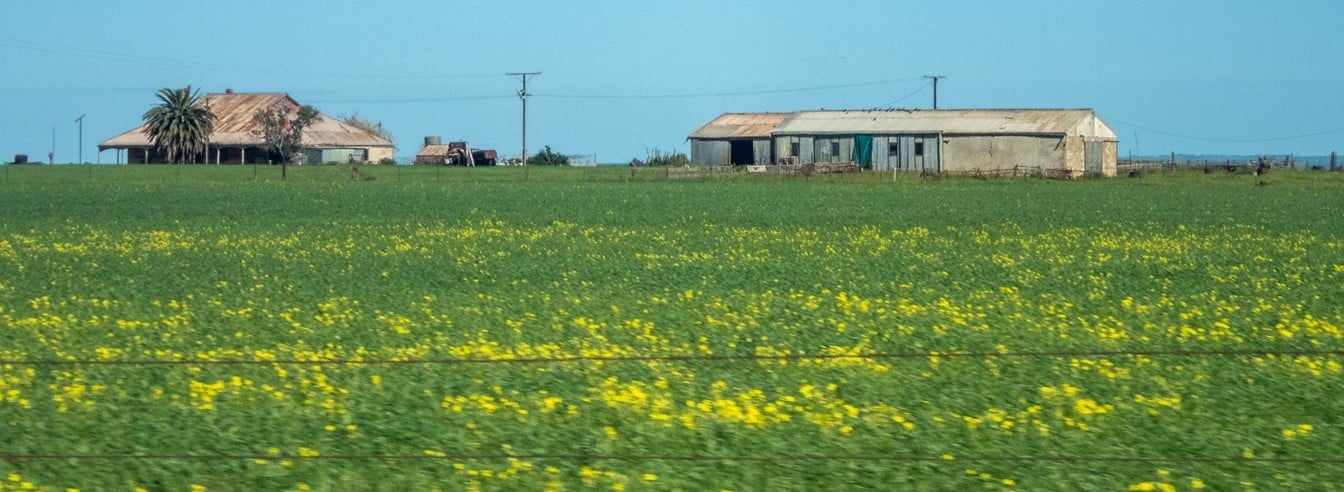
In contrast, the open farmland and native bushland provided opportunities to see kangaroos, emus, lizards and more birdlife. Highlights included the pink salt lakes, the golden canola fields, and visits to an alpaca farm, and piggery.
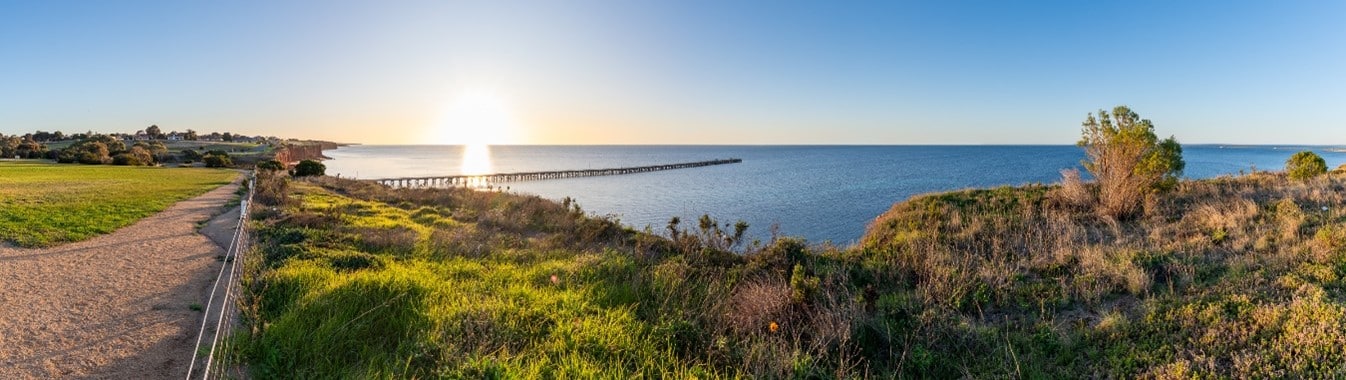
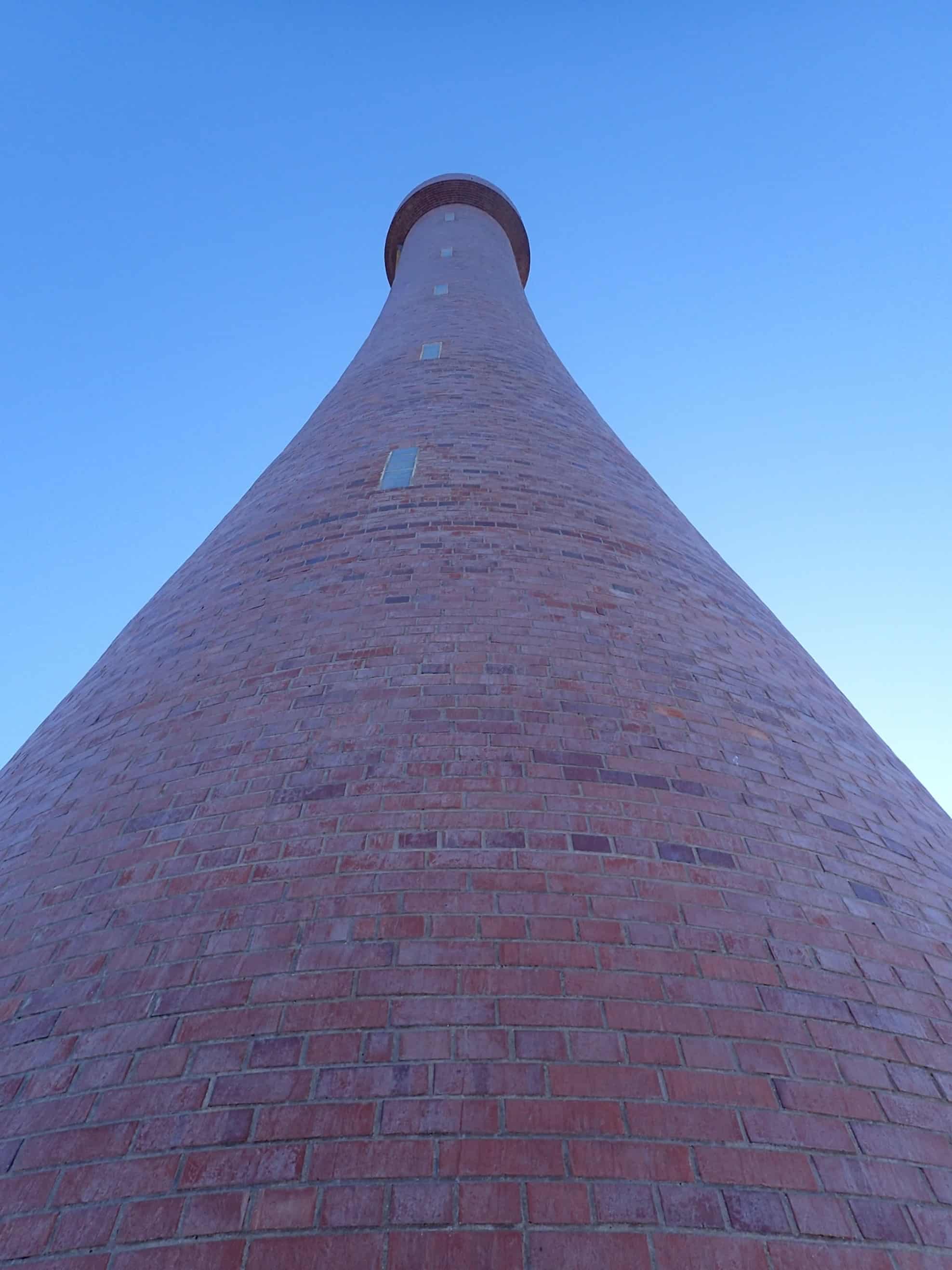
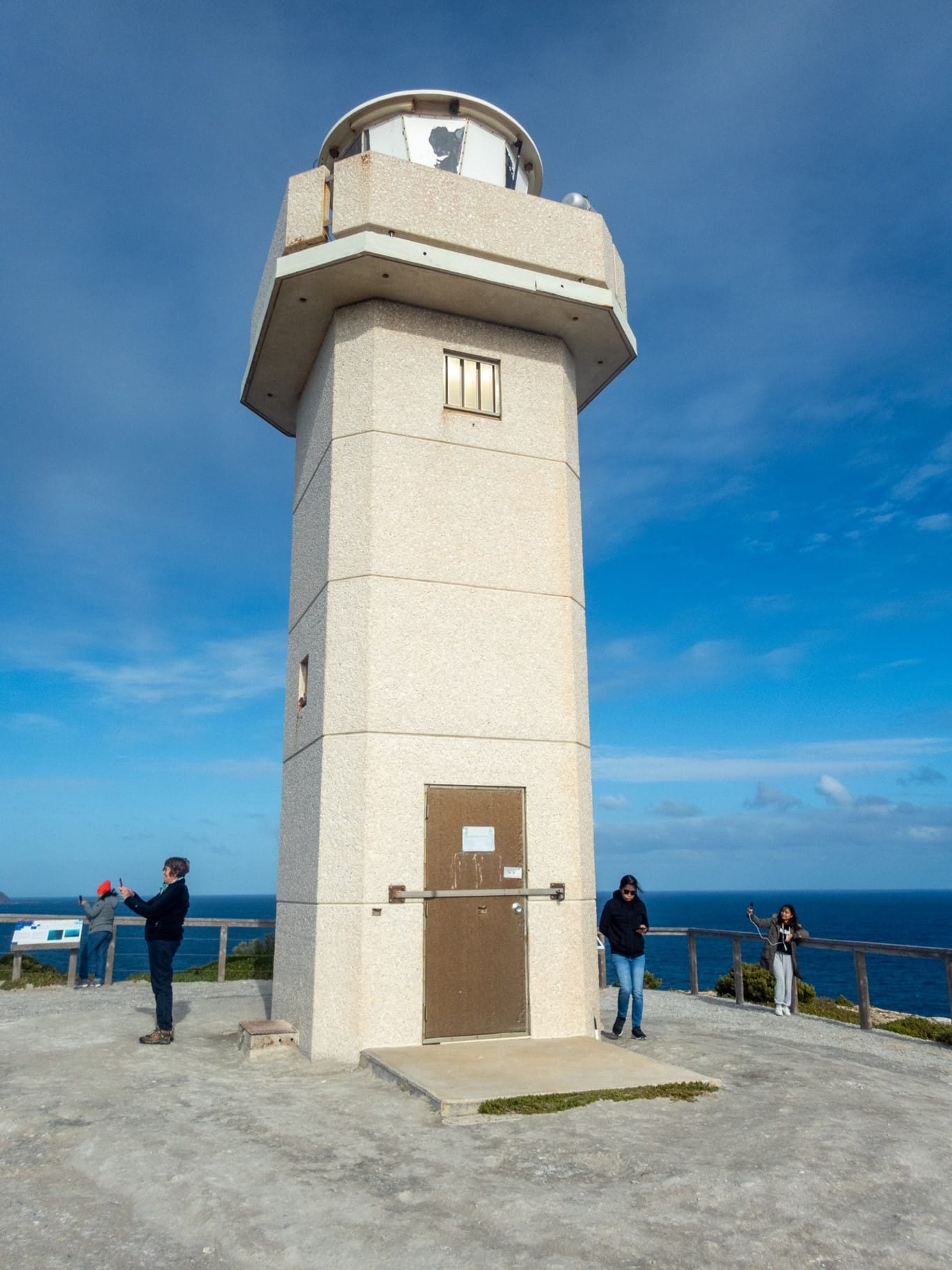
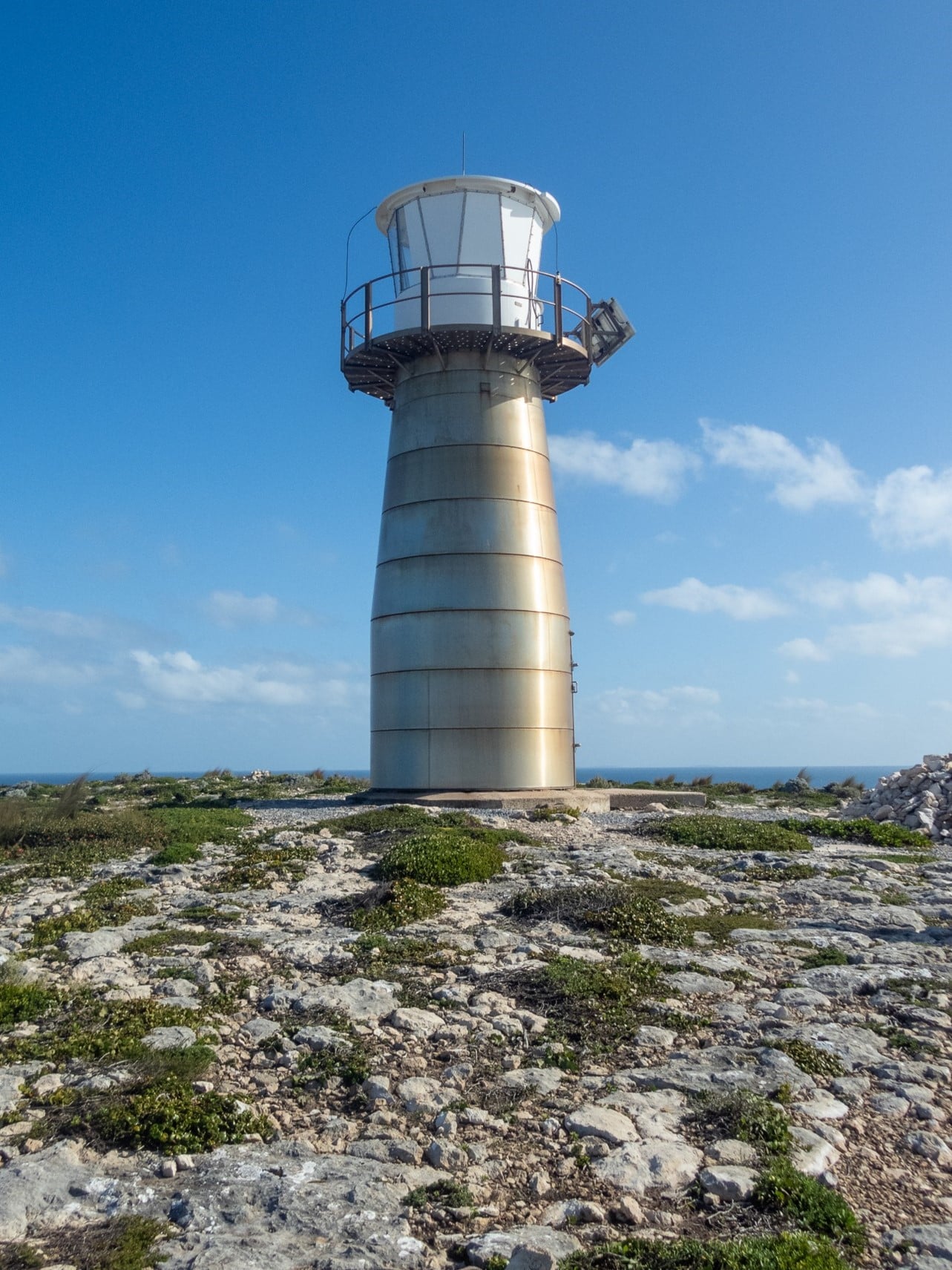
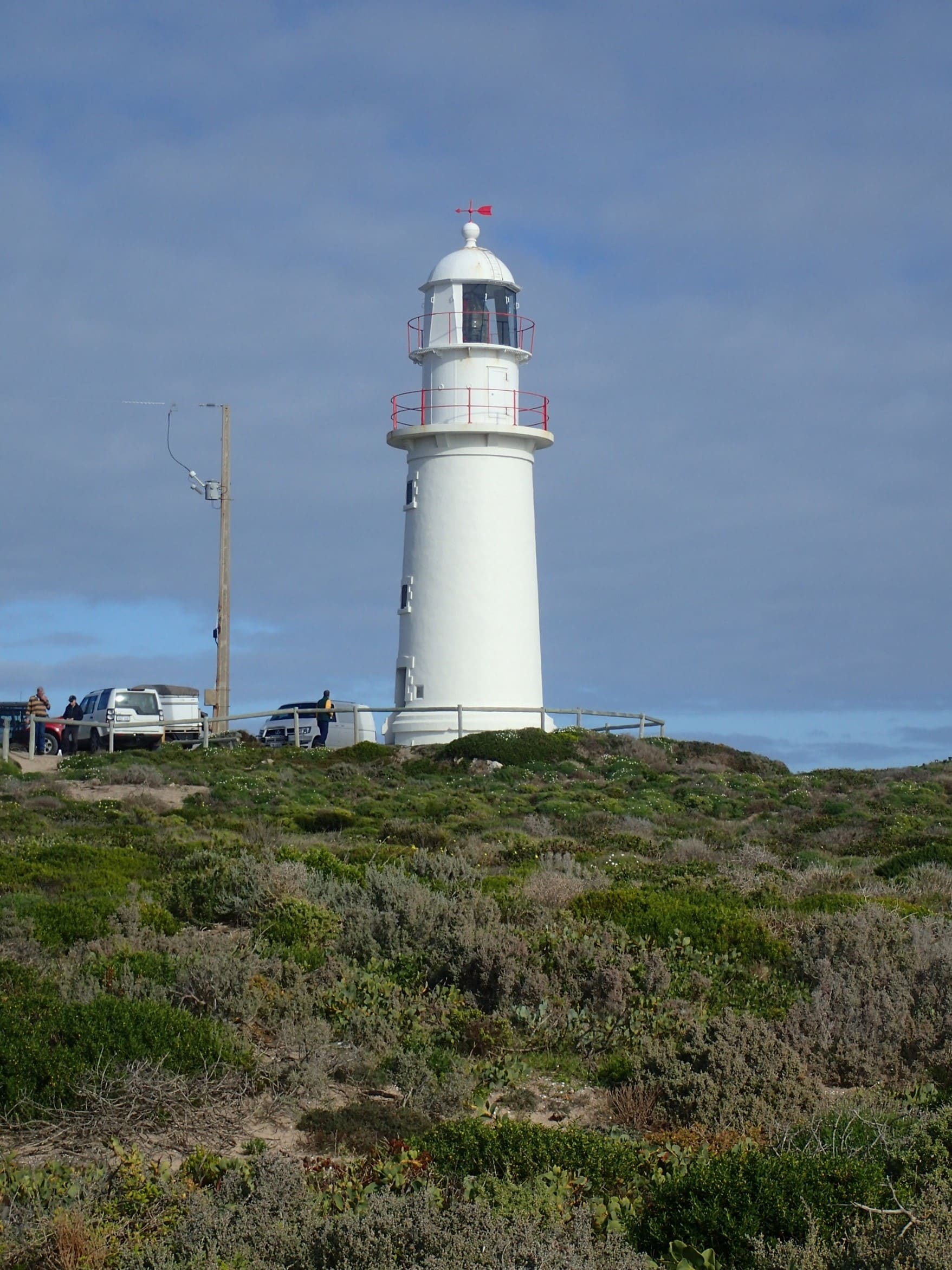
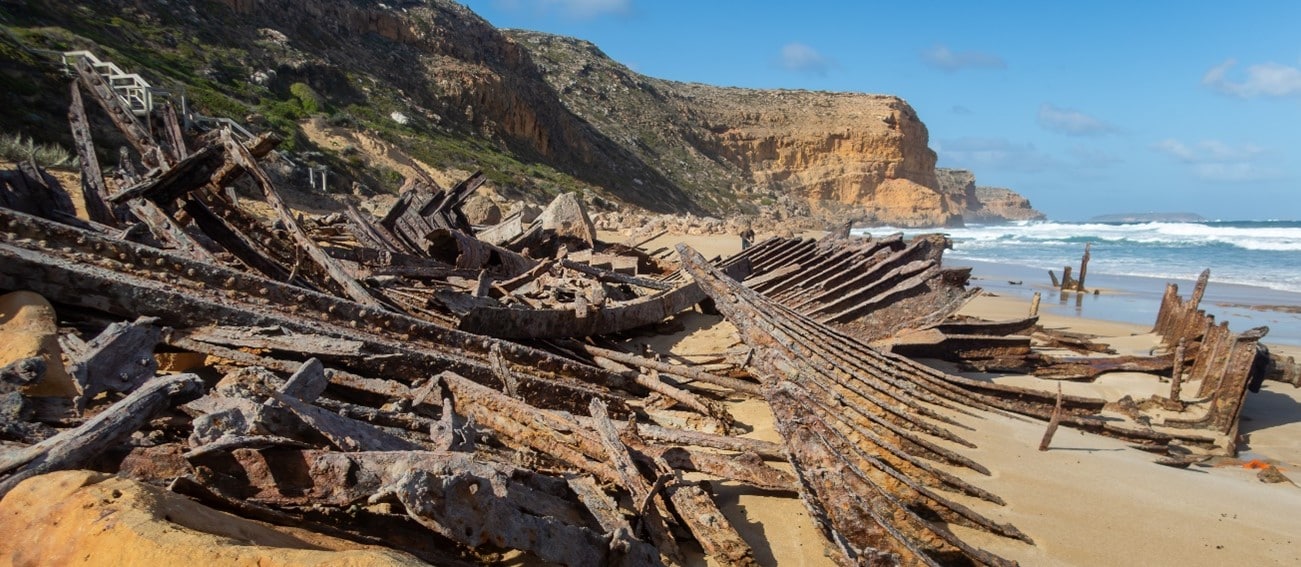
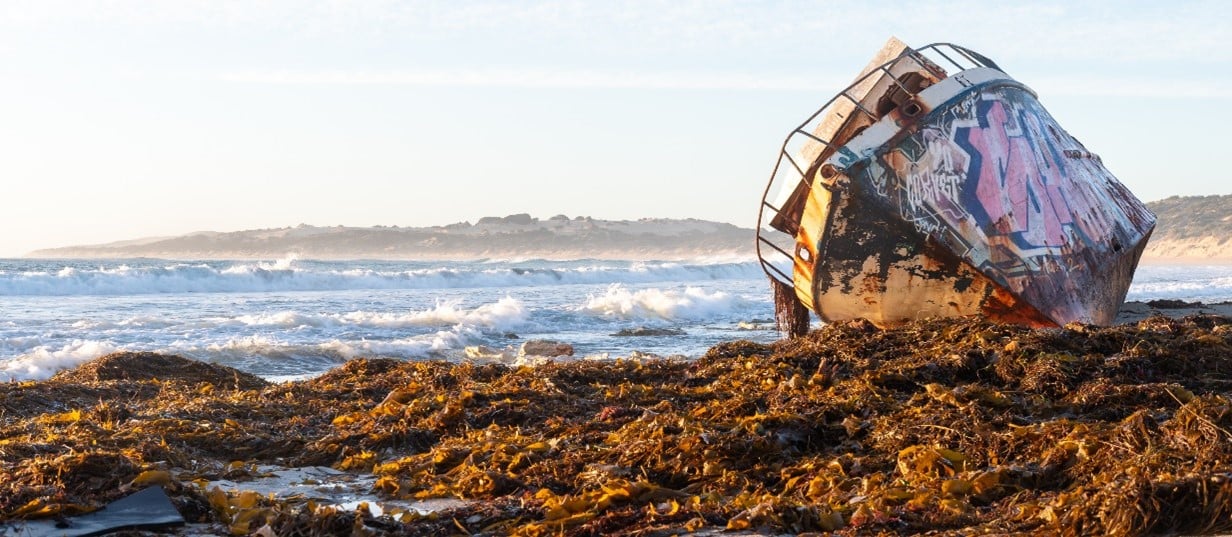
Nature wasn’t the only highlight as shipwrecks, lighthouses and jetties could not be avoided and were viewed daily. The Ethel and Ferret shipwrecks in Dhilba Guuranda-Innes National Park reminded us of the strength of the ocean and the importance of each of the many lighthouses we viewed. The Port Pirie Fishing Boat Museum also gave us a glimpse into the Italian ocean-based lifestyle of yesteryear.
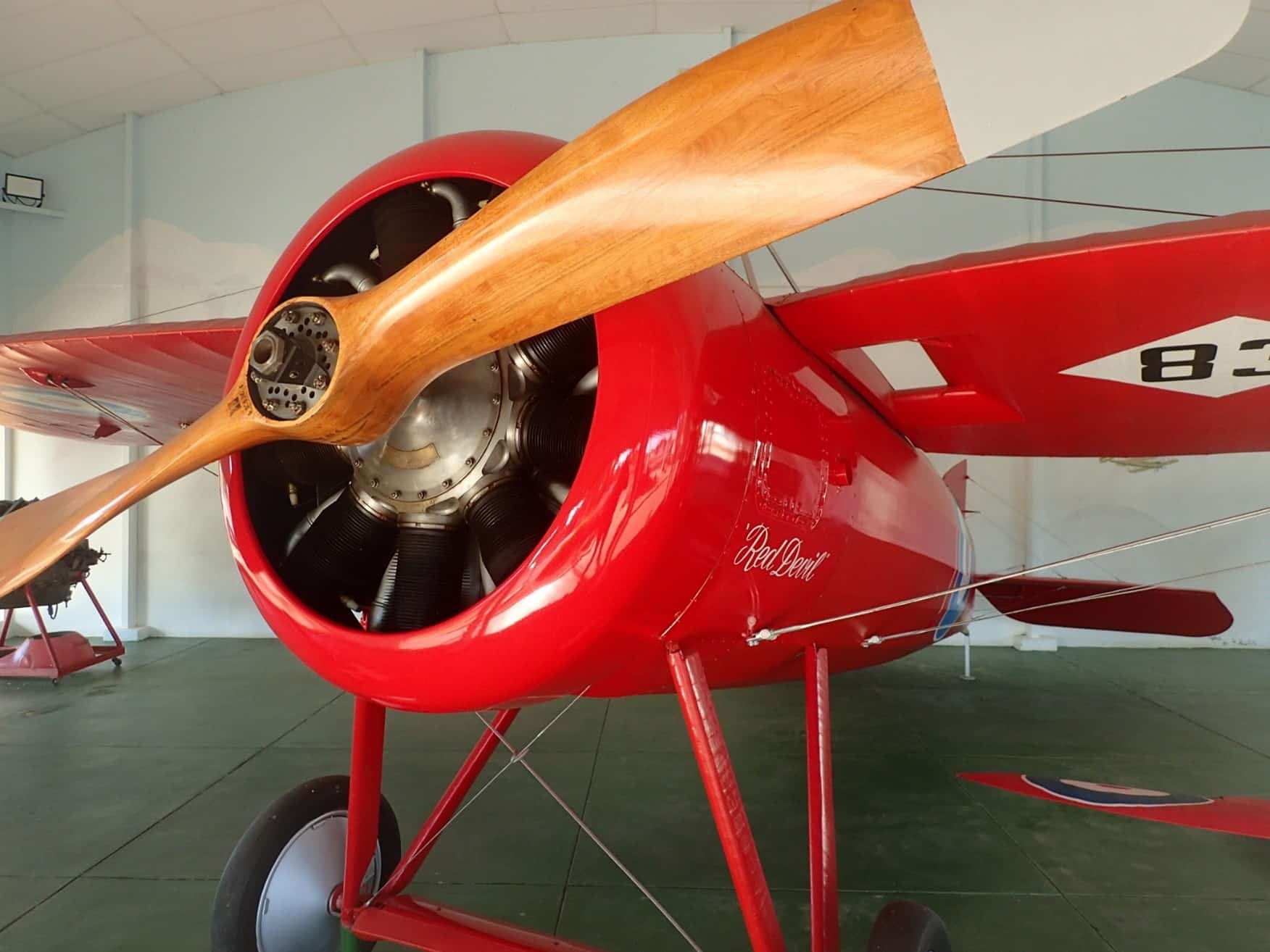
Our Yorke history knowledge has grown with visits to many local museums beginning in Ardrossan, the home of the stump jump plough. The Inneston hstoric village in Innes National Park once housed 200 gypsum miners and families. Minlaton taught us all about Harry Butler and his monoplane the Red Devil. A large of dose of learning happened at the Moonta Mines National Heritage site educating us about the life of Cornish miners, whilst travelling aboard the tourist railway through what was once the largest copper mining venture in SA. Of course, maritime history is also large on the Peninsula with a visit to the Wallaroo Heritage and Nautical Museum.
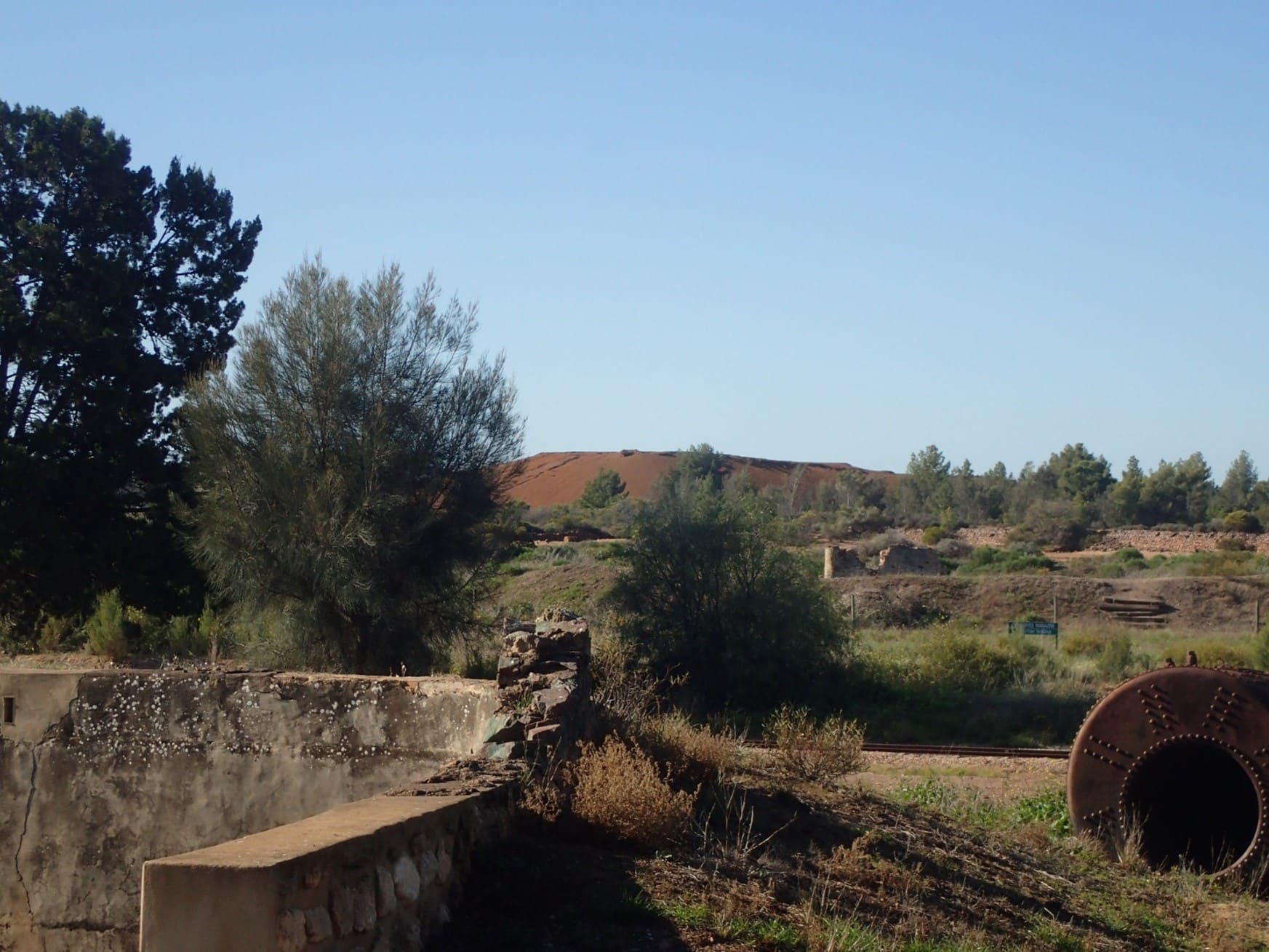
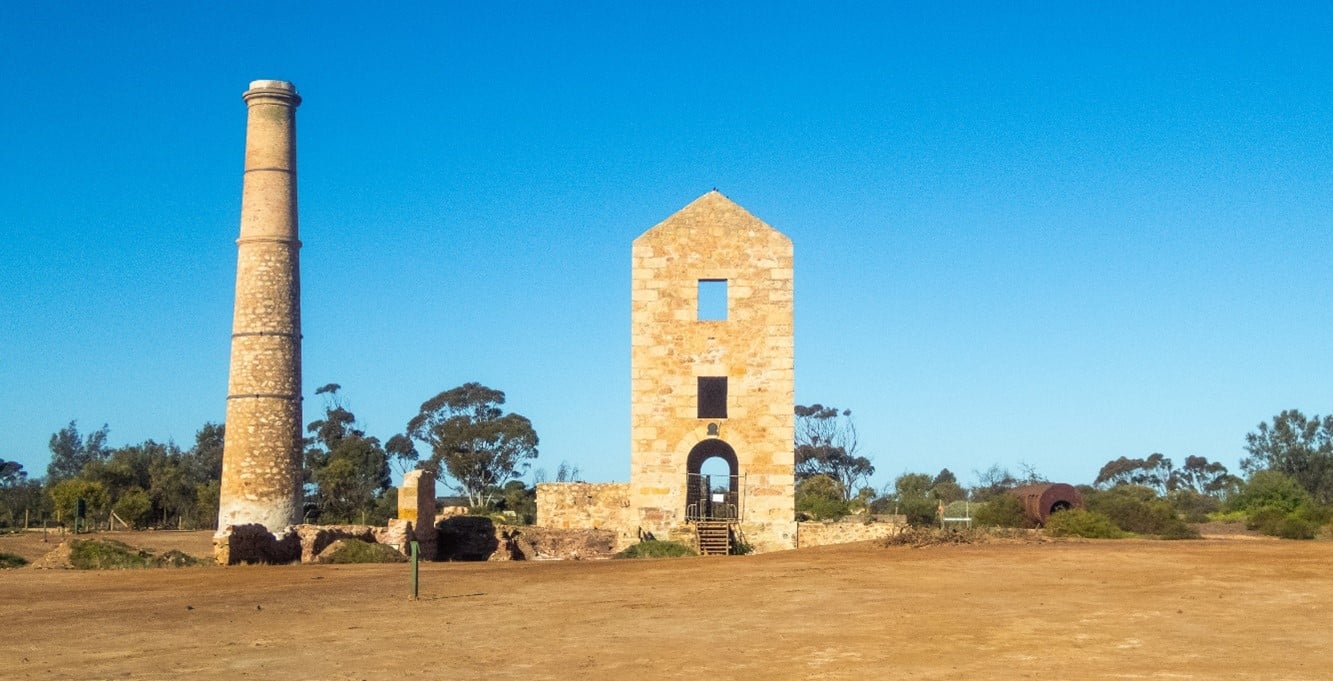
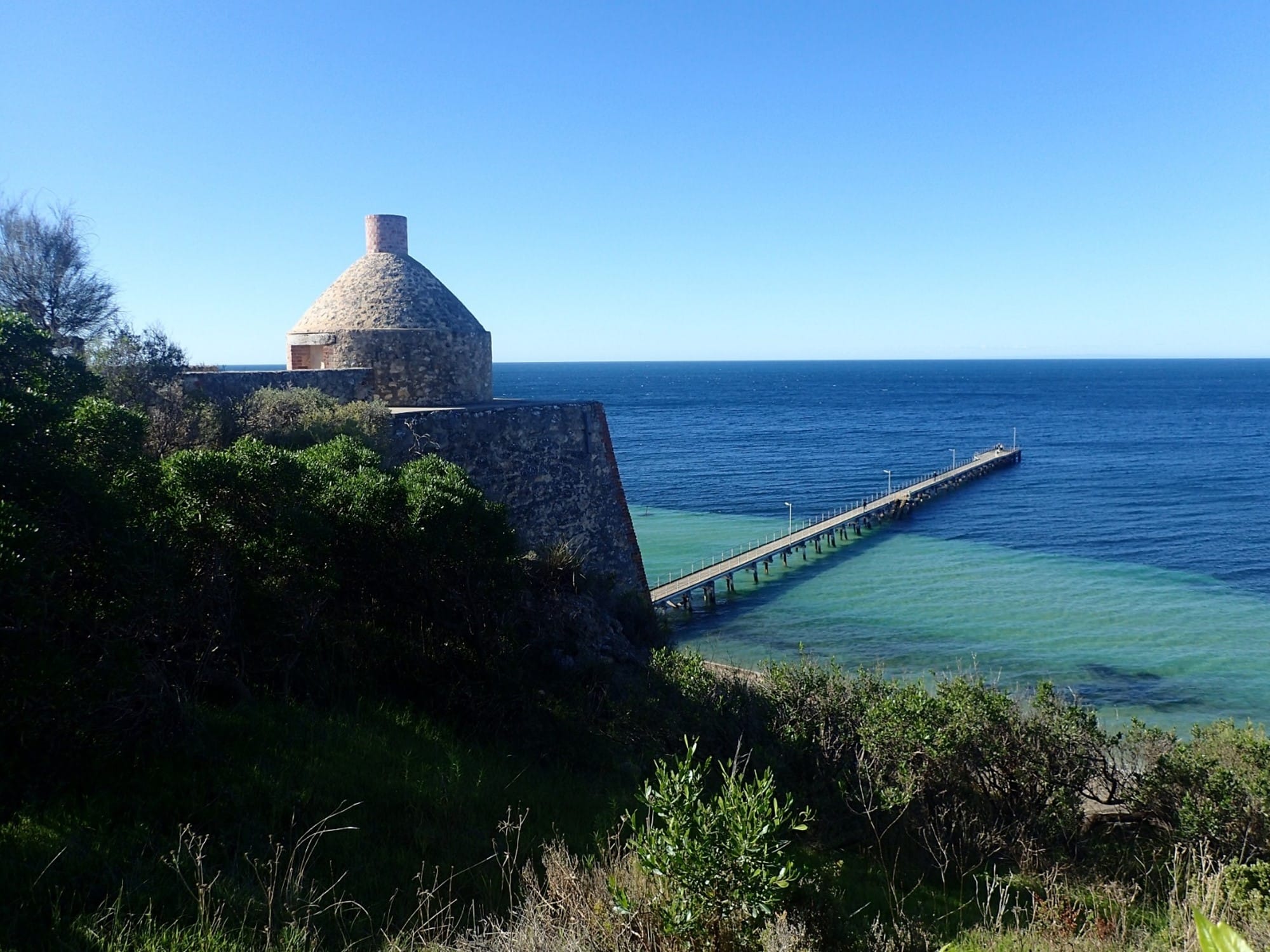
The Lime Kilns of Wool Bay were interesting. Six lime kilns were built on top of and along the base of the cliff. Today only one kiln remains. Lime was burnt to create quicklime, an ingredient used in mortar and brick making.
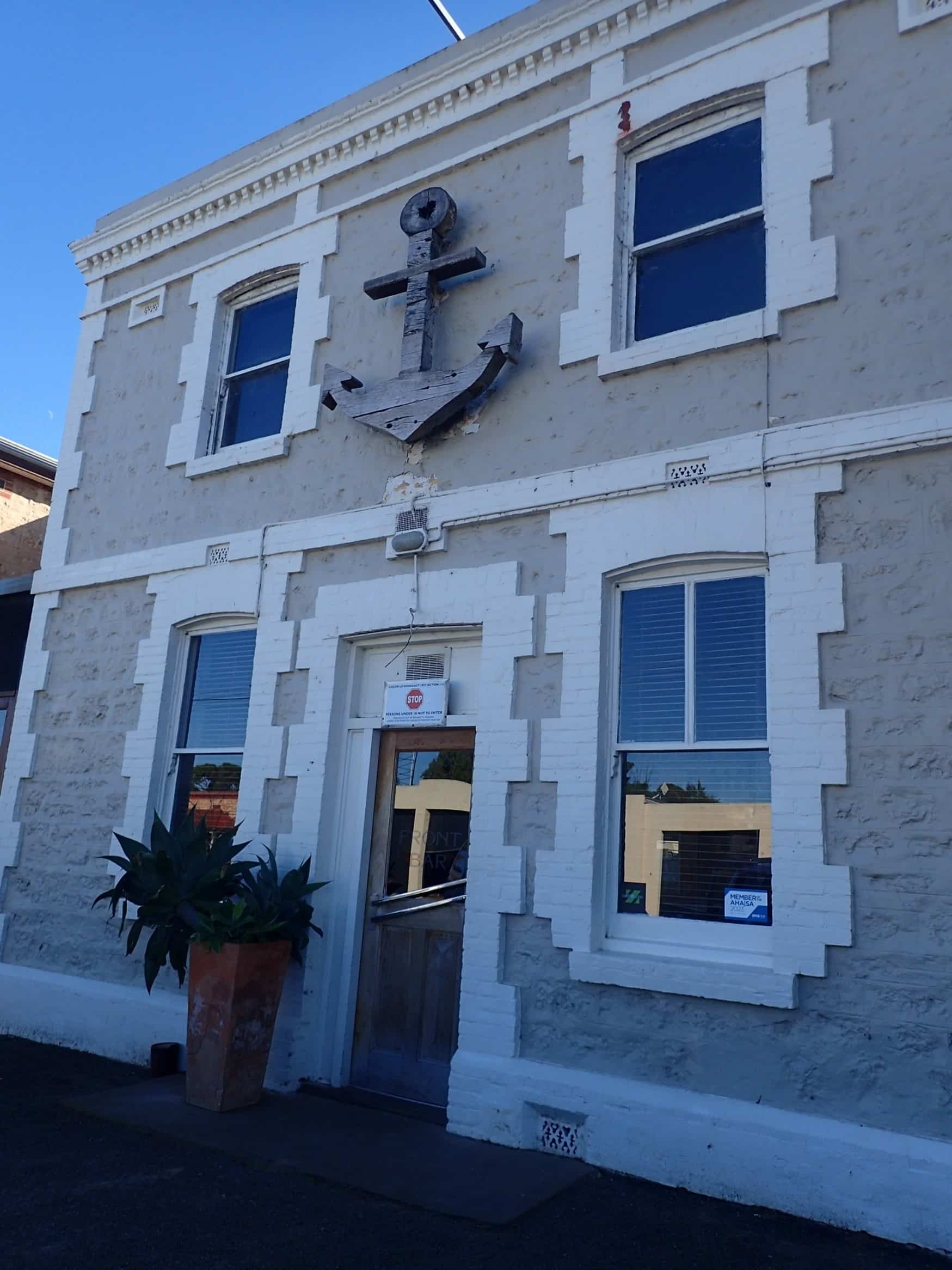
Culture and shopping did not take a back seat, with visits to art galleries, op shops and local craft shops. The Yorke is famous for its fresh seafood and we can attest to this as the group came together for evening meals. Café coffee and bakeries were a morning routine, as was the odd brewery and distillery taste testing.
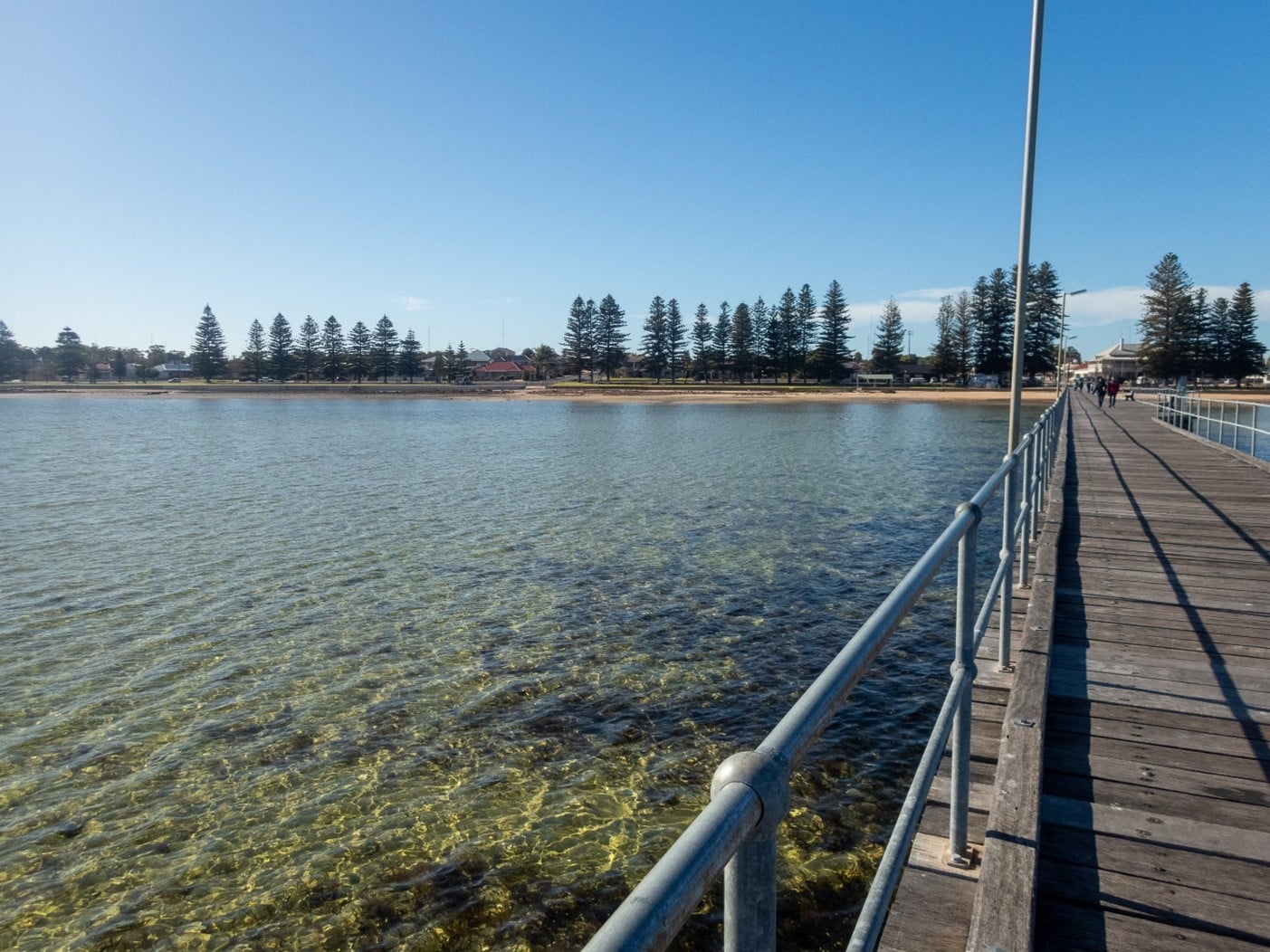
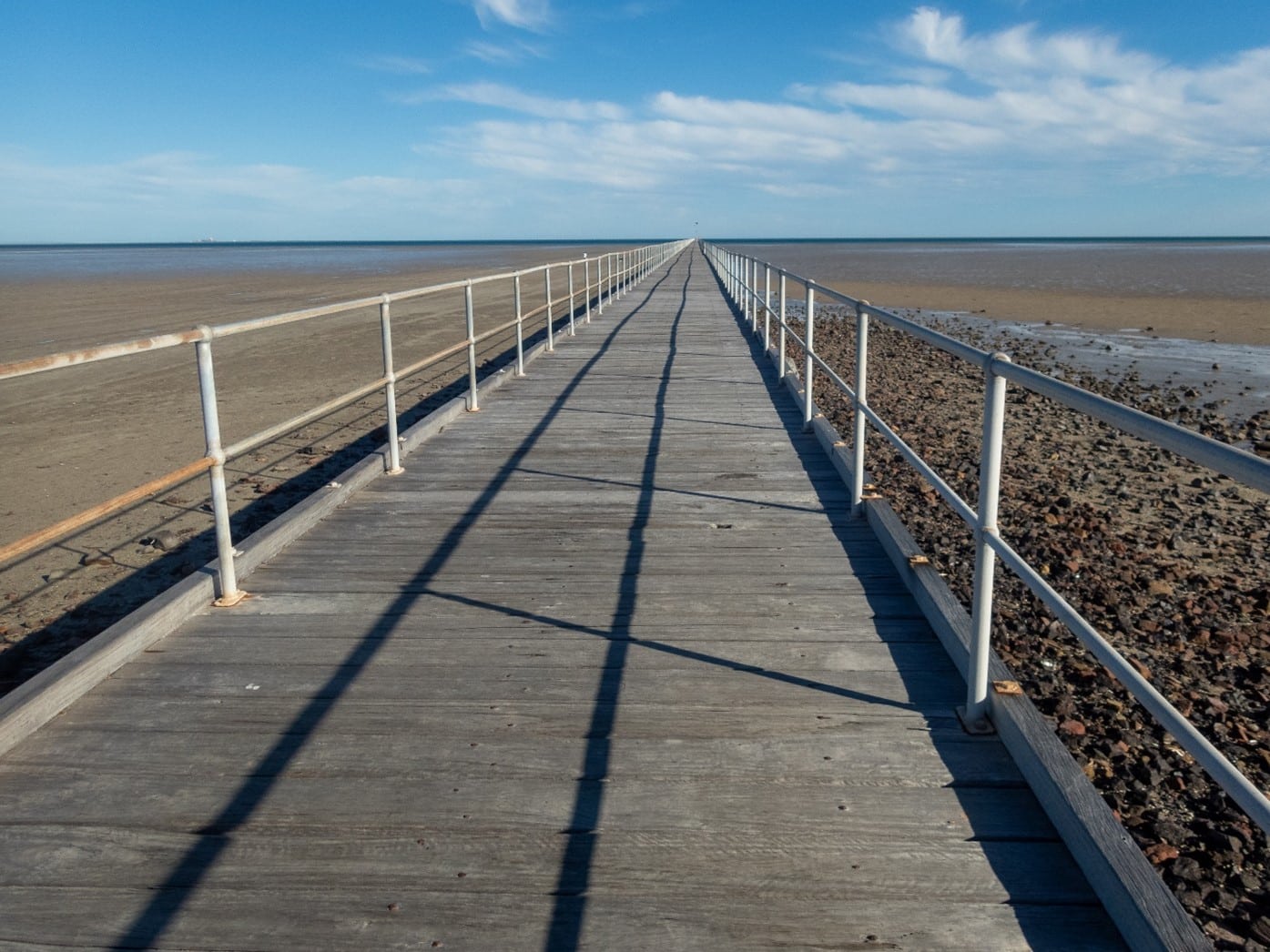
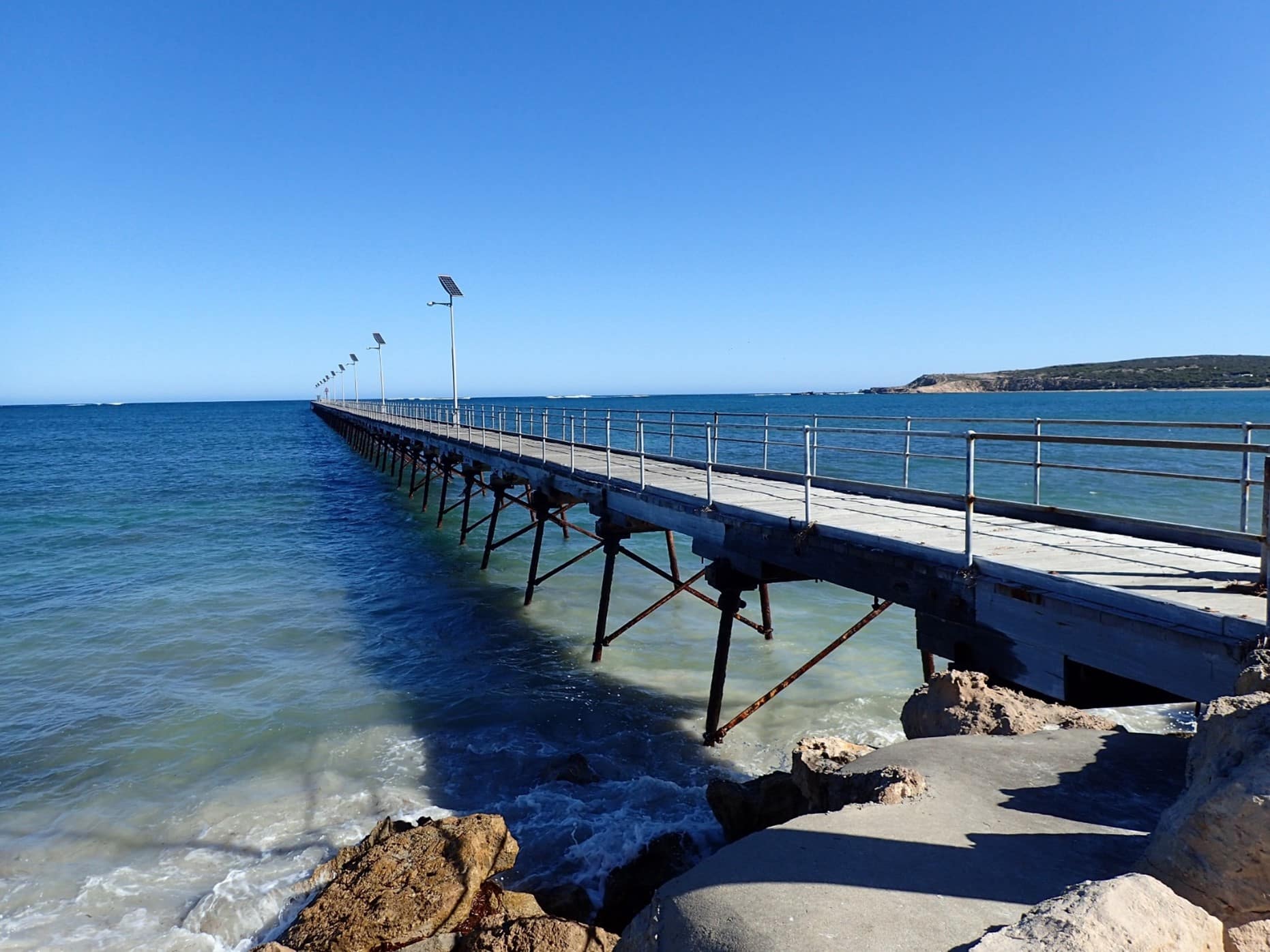
It wasn’t all relaxation as we ventured along beaches, jetties, historic town trails, bush trails, and mangrove boardwalks. Walking in Innes NP involved an inner strength to fight the constant wind threatening to blow us off the headlands. Each and every town has a jetty and it was compulsory for at least one of the group to walk to the jetty’s end. Port Germein jetty was the longest at 1.5km.
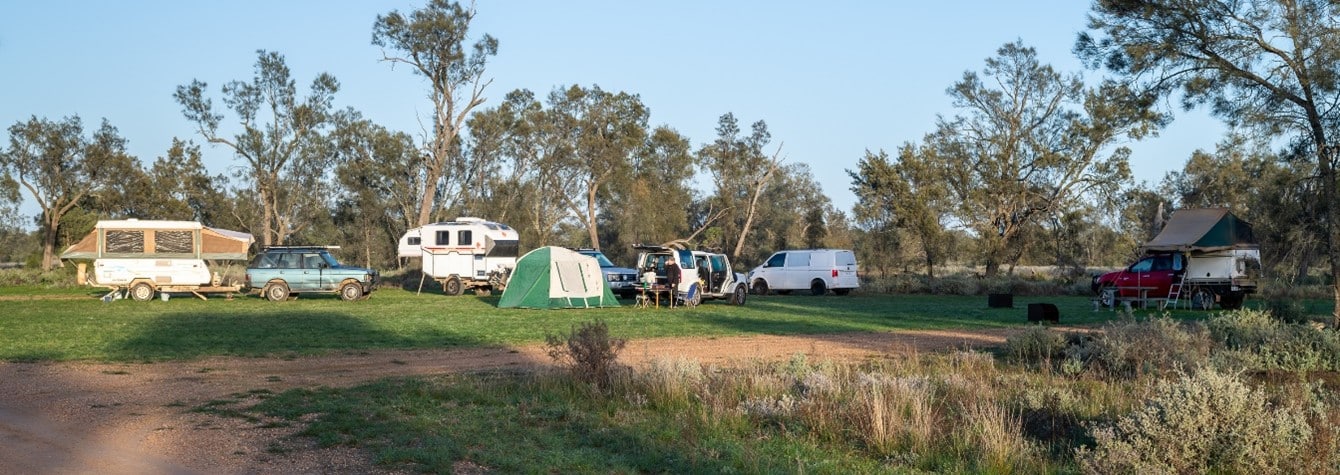
Accommodation was in caravan parks or camping in national parks. Highlights included the Willows campsite in Yanga Conservation Park, and Pondalowie campsite in Innes National Park.
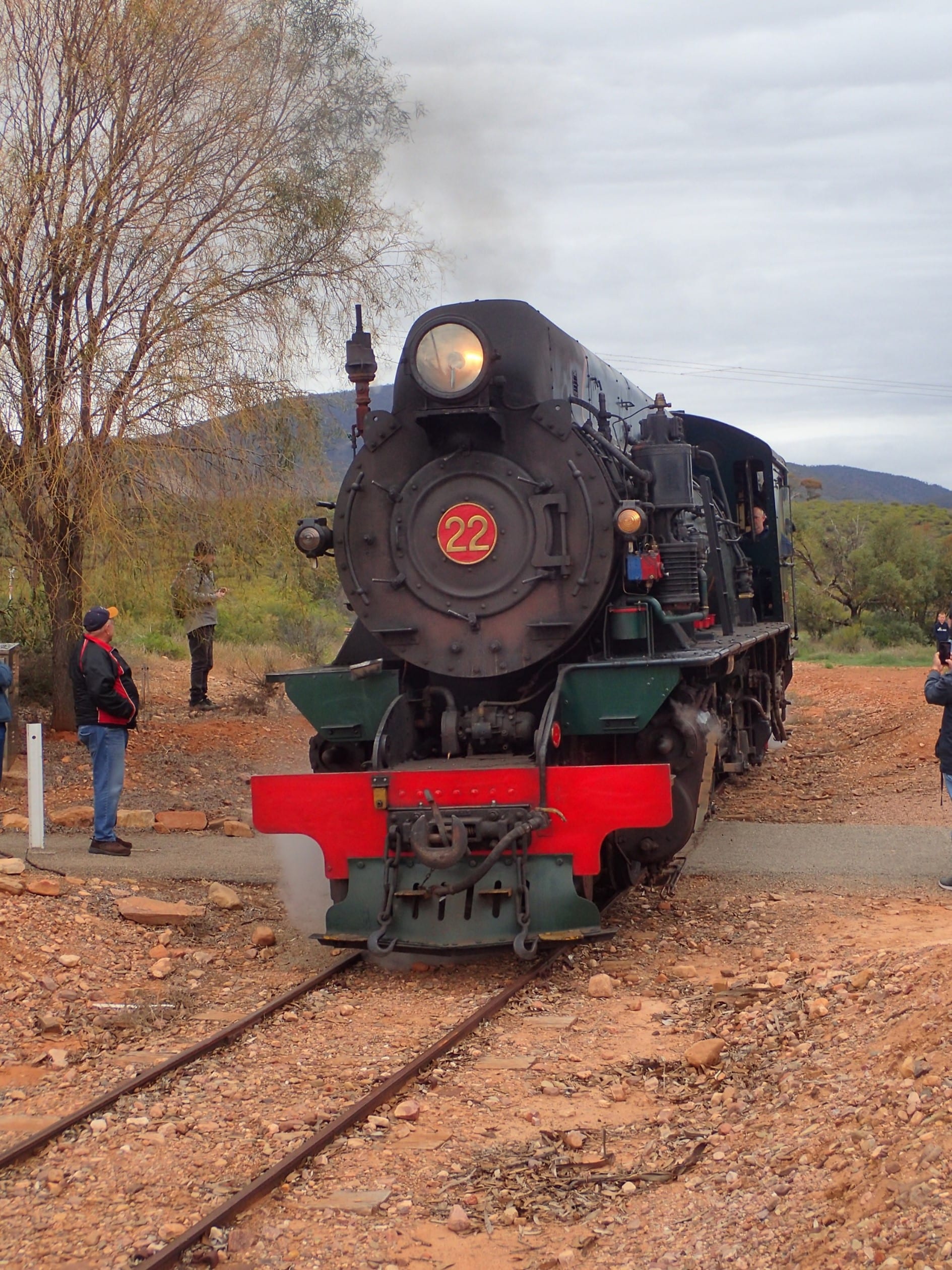
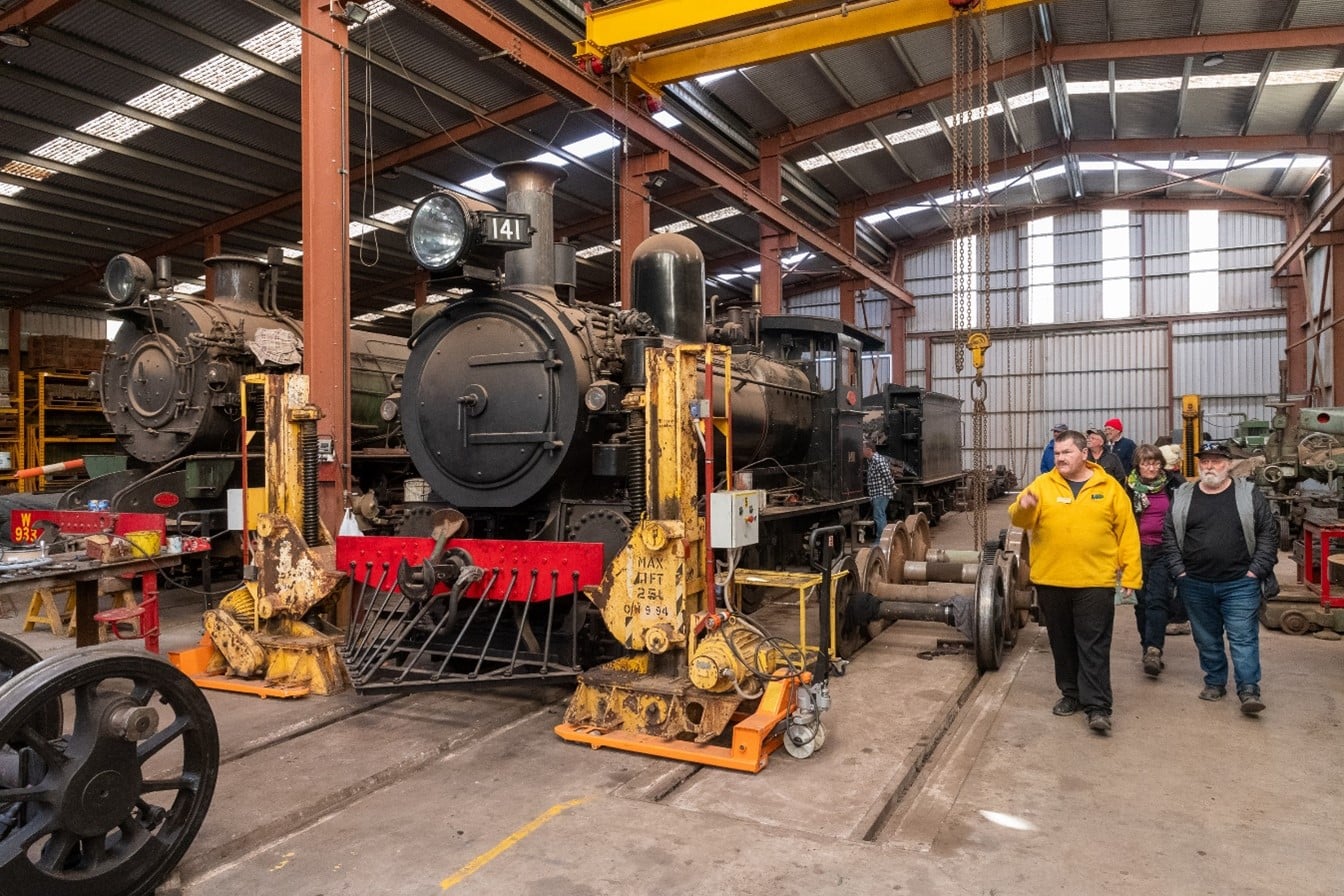
Exiting the Yorke we made our way inland through the magnificent Flinders Ranges scenery of Germein Gorge. We had moved away from the coast to join the Pichi Richi Railway return journey to Woolshed Flat. While we all enjoyed the ride, a highlight of the day was the workshop tour that afternoon.
The Eyre Peninsula beckoned as we headed westward.
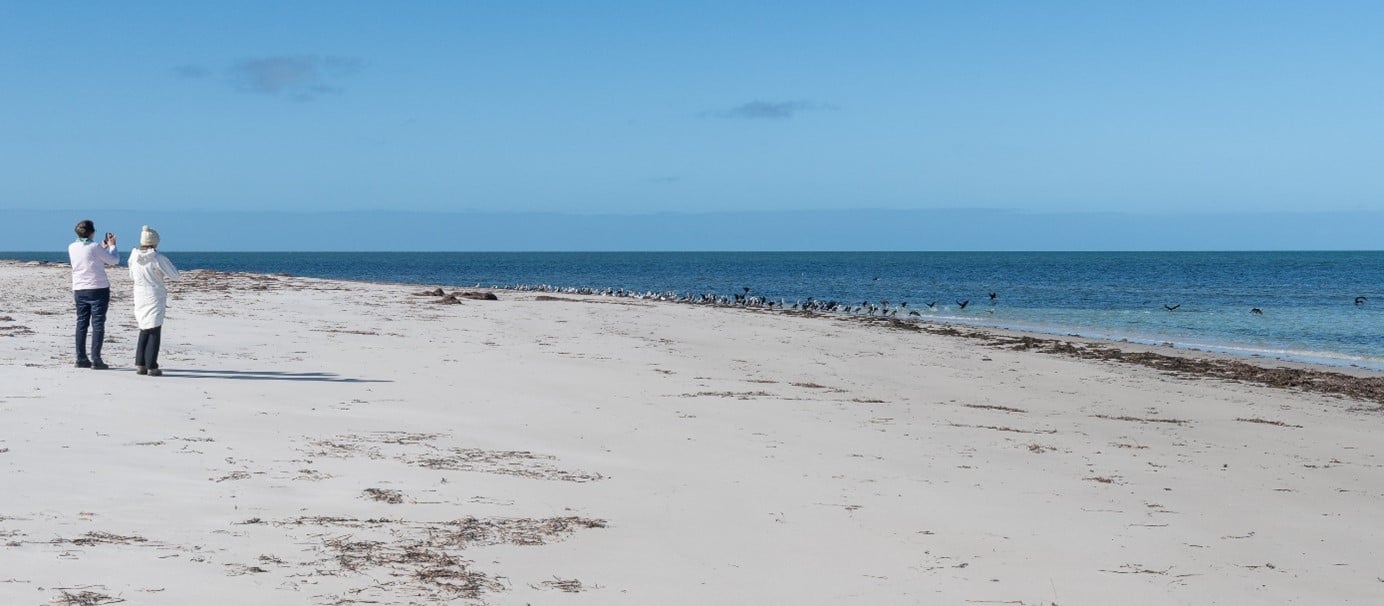
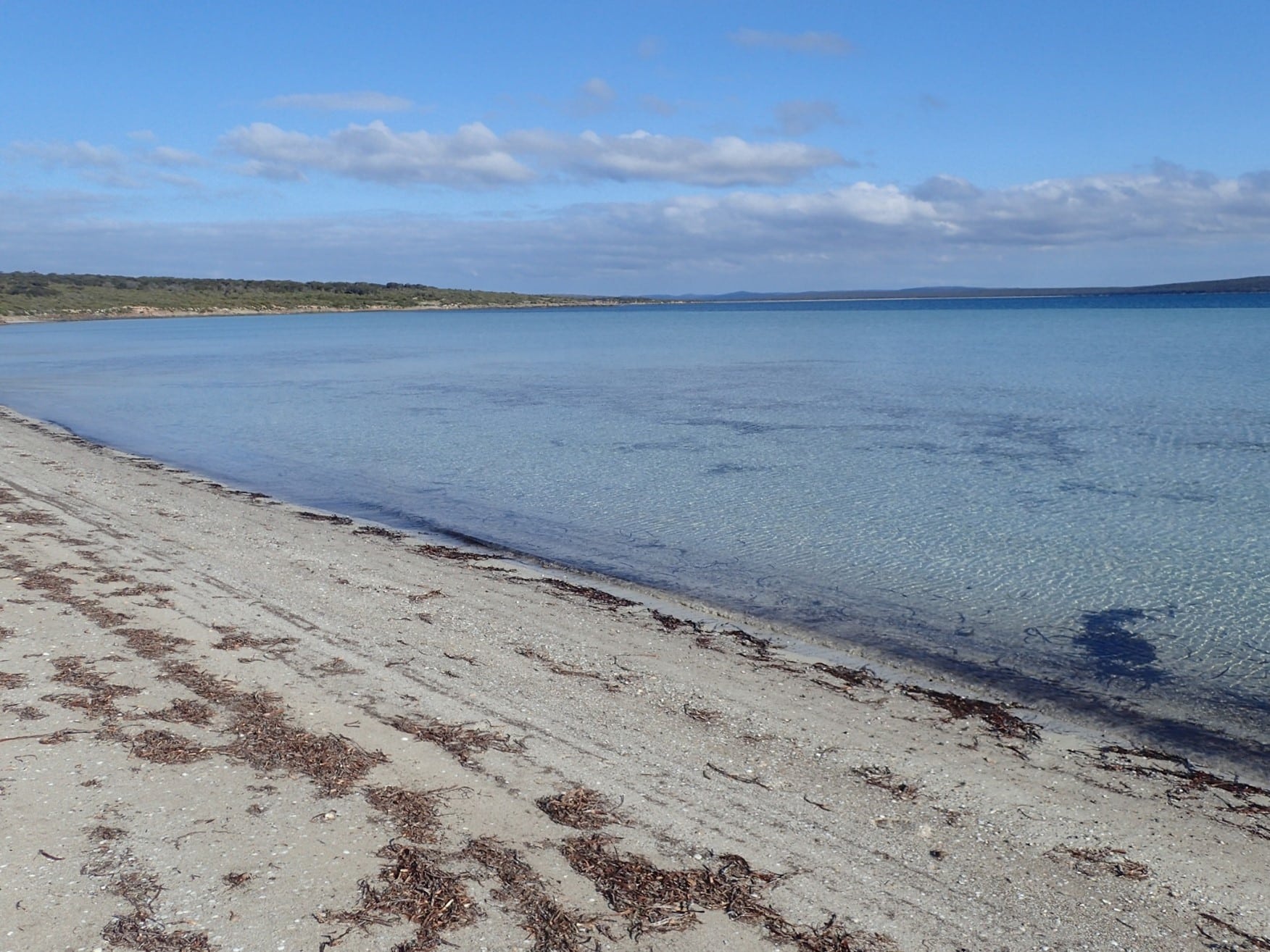
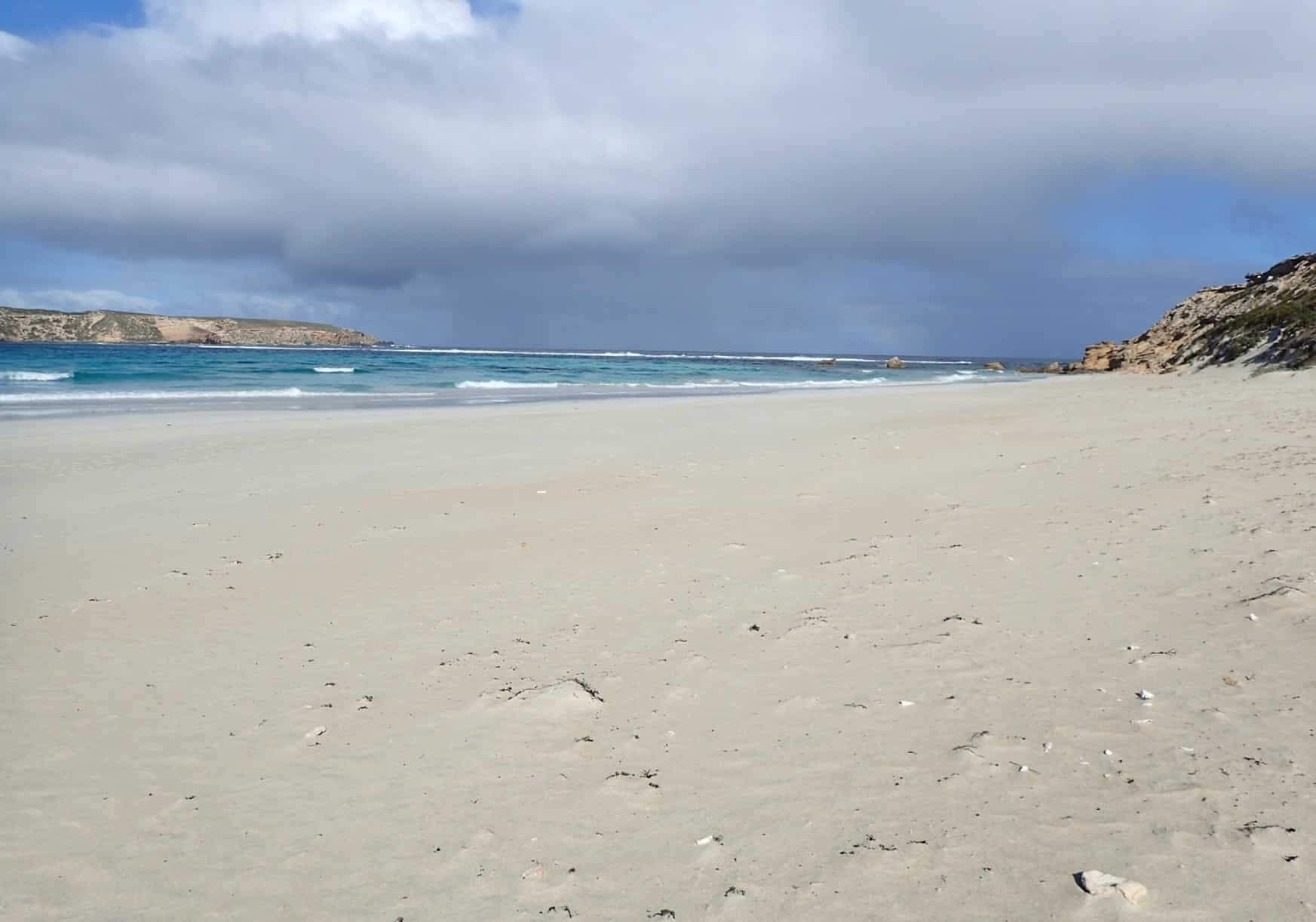
The ocean is the basis for many of the activities on the Eyre and summer would allow swimming, surfing, fishing, kayaking, sailing and diving. As it was mid-winter our feet stayed firmly on the land but we did enjoy our ocean views and walks.
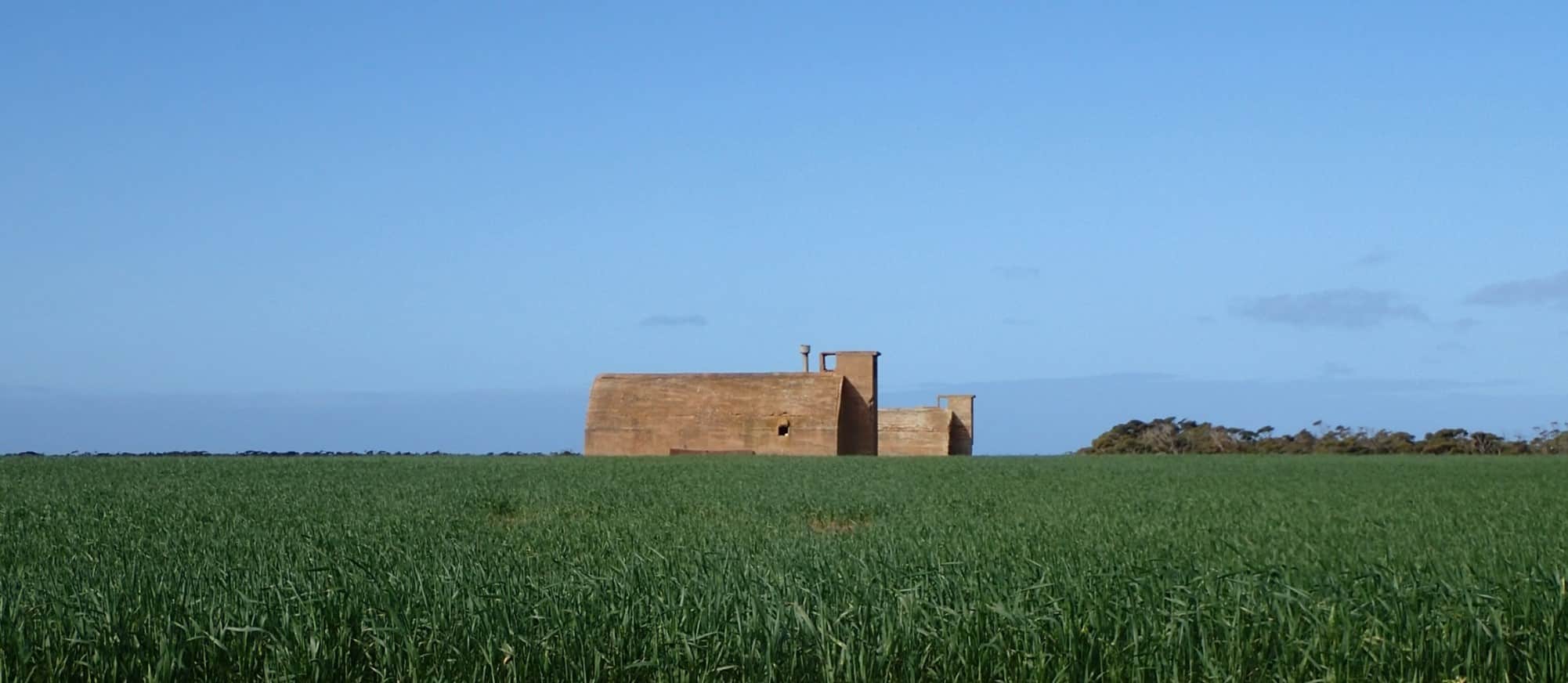
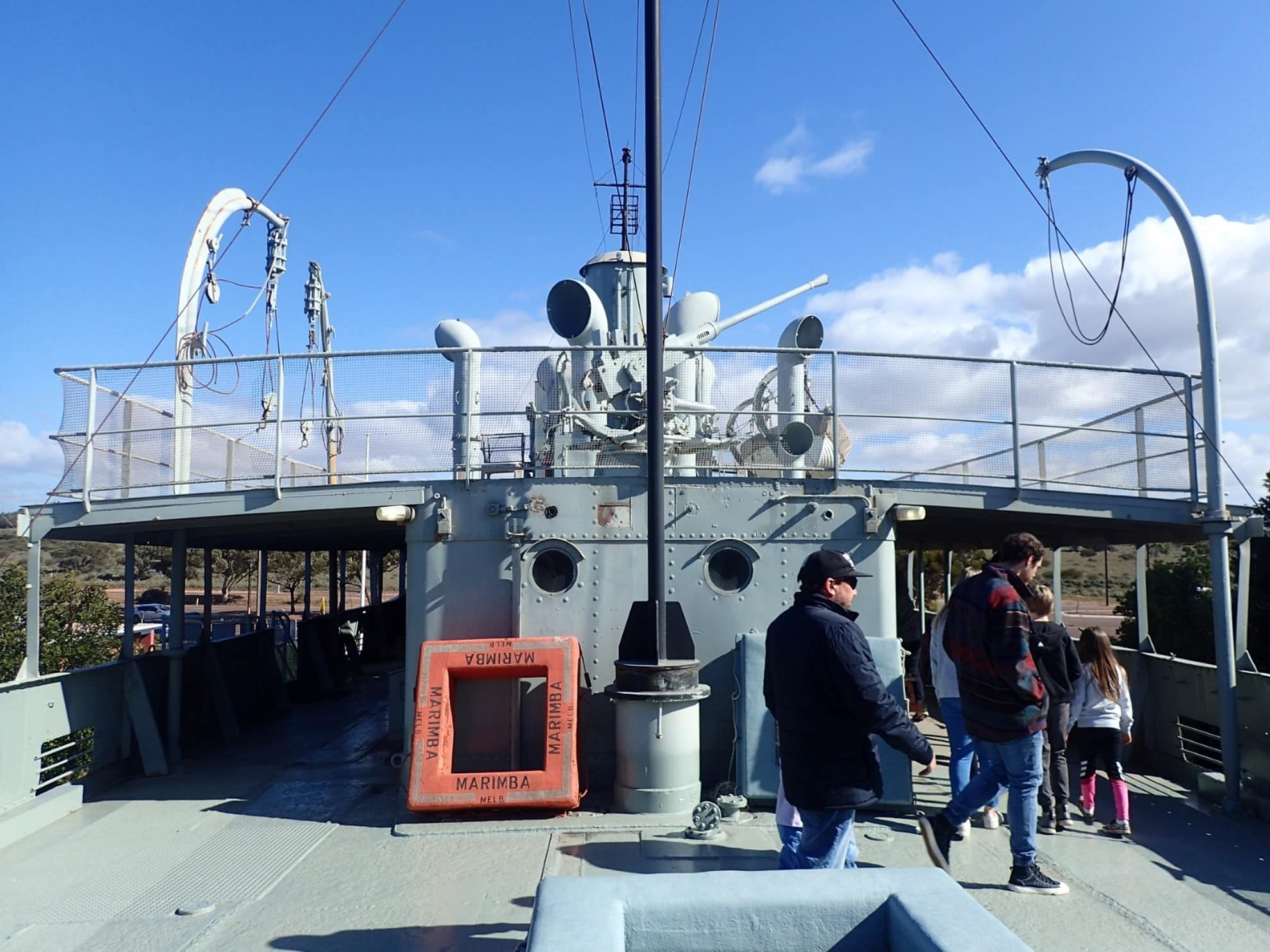
History and culture still played a part in our daily ventures with visits to the Port Lincoln Axel Stenross Maritime Museum and Port Lincoln Railway Museum, and the WWII igloos near Port Gibbon which were constructed in WWII as air raid shelters. The HMAS Whyalla Tour and Museum was a highlight. HMAS Whyalla was the first ship built at the shipyards in 1941, a Bathurst Class Corvette. The mine sweeper served in the Pacific until 1947.
Human activity and construction can also be observed along the Peninsular with Whyalla being known for its steel making and a tour of the steelworks showed us why this town was originally built and still exists today. The 90-minute bus tour took us initially to Hummock Hill Lookout for views over the Spencer Gulf and the steelworks. We viewed different parts of the operating process on the 1000 hectare site, including the blast furnace, coke ovens, reed beds, steelmaking and casting plant, pellet processing, and the rolling mills, where structural steel, rail line and steel railway sleeper sections are made.
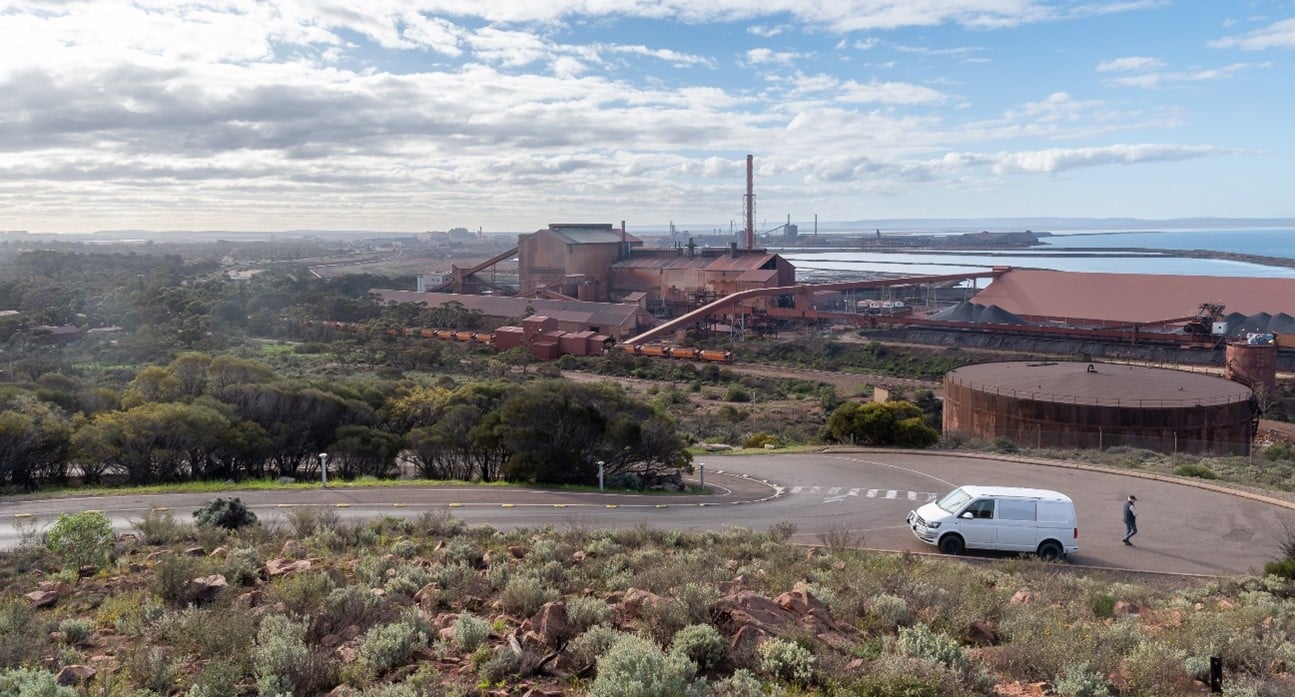
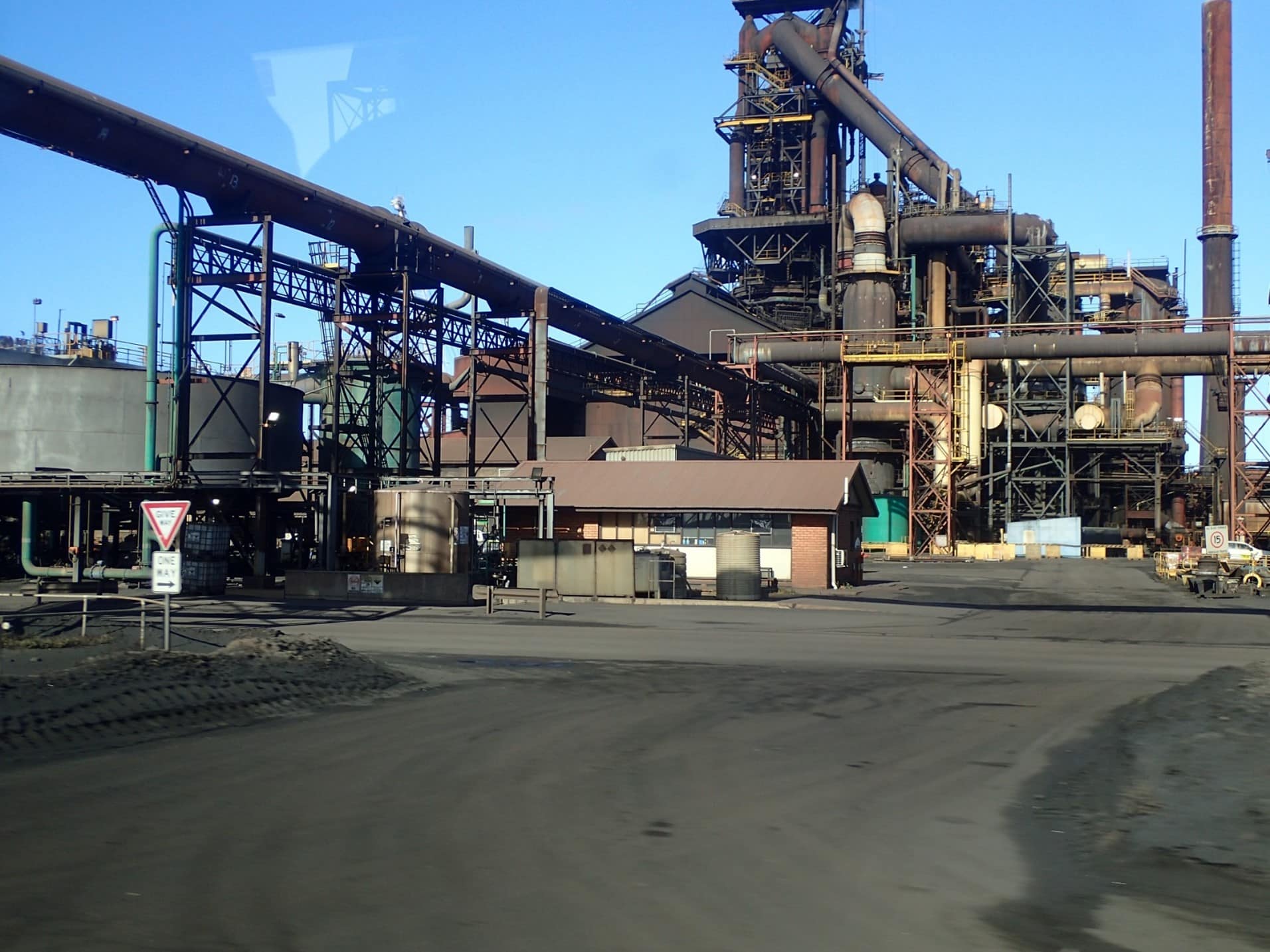
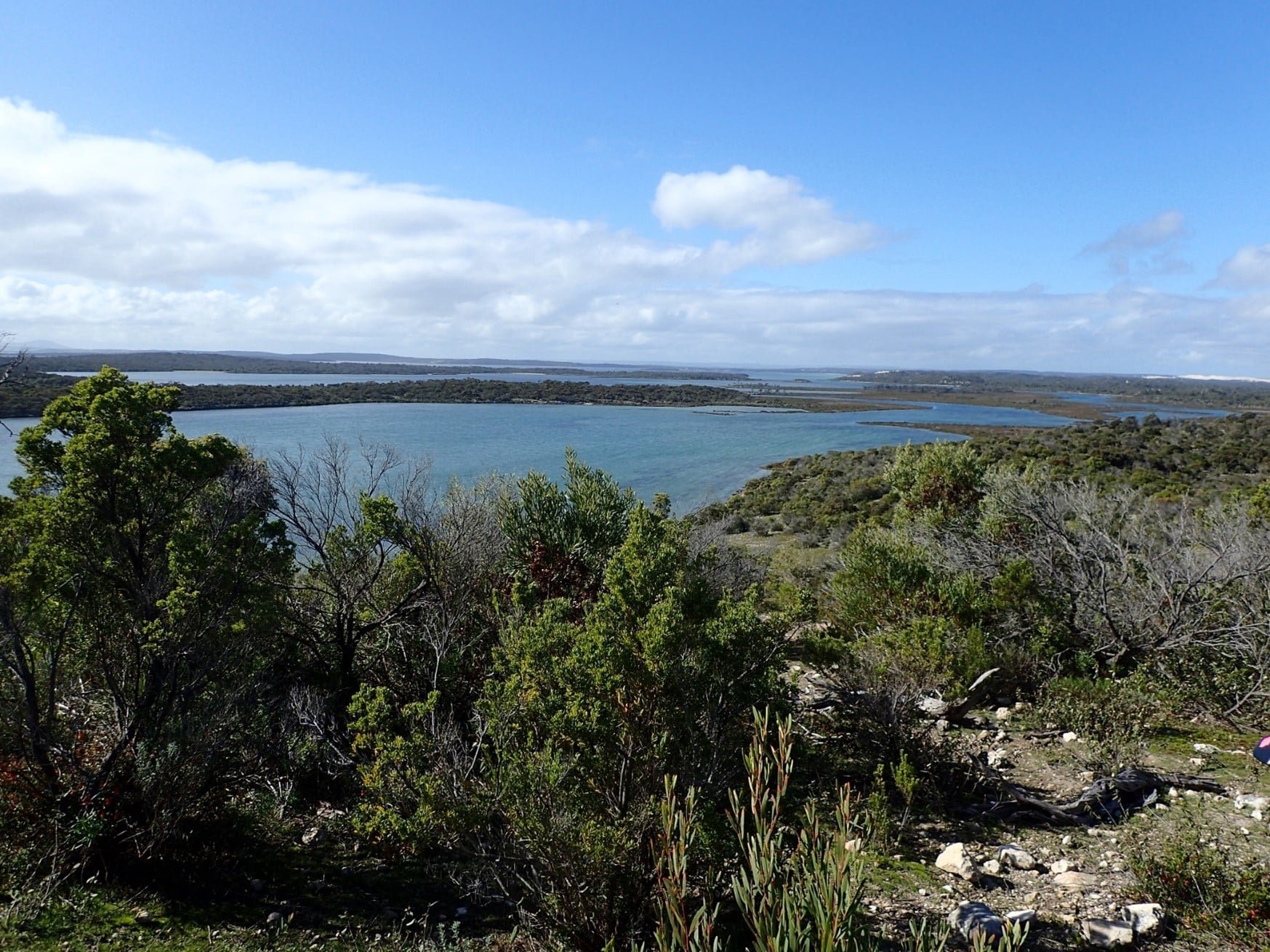
Once again jetties and lighthouses provided us with a daily walk including the Whyalla circular jetty, Venus Bay curved jetty, and Point Lowly Lighthouse. Foreshore walks were always enjoyable but the Tumby Bay walk was especially good with mosaic work in the pathway to add to the joy. The Port Lincoln Parnkalla Trail takes you along the coast of the city with interpretive signage providing information on the spots you pass. The Oyster Walk along the foreshore of Coffin Bay is a pleasant way to spend a warm afternoon overlooking Port Douglas and Kellidie Bay.
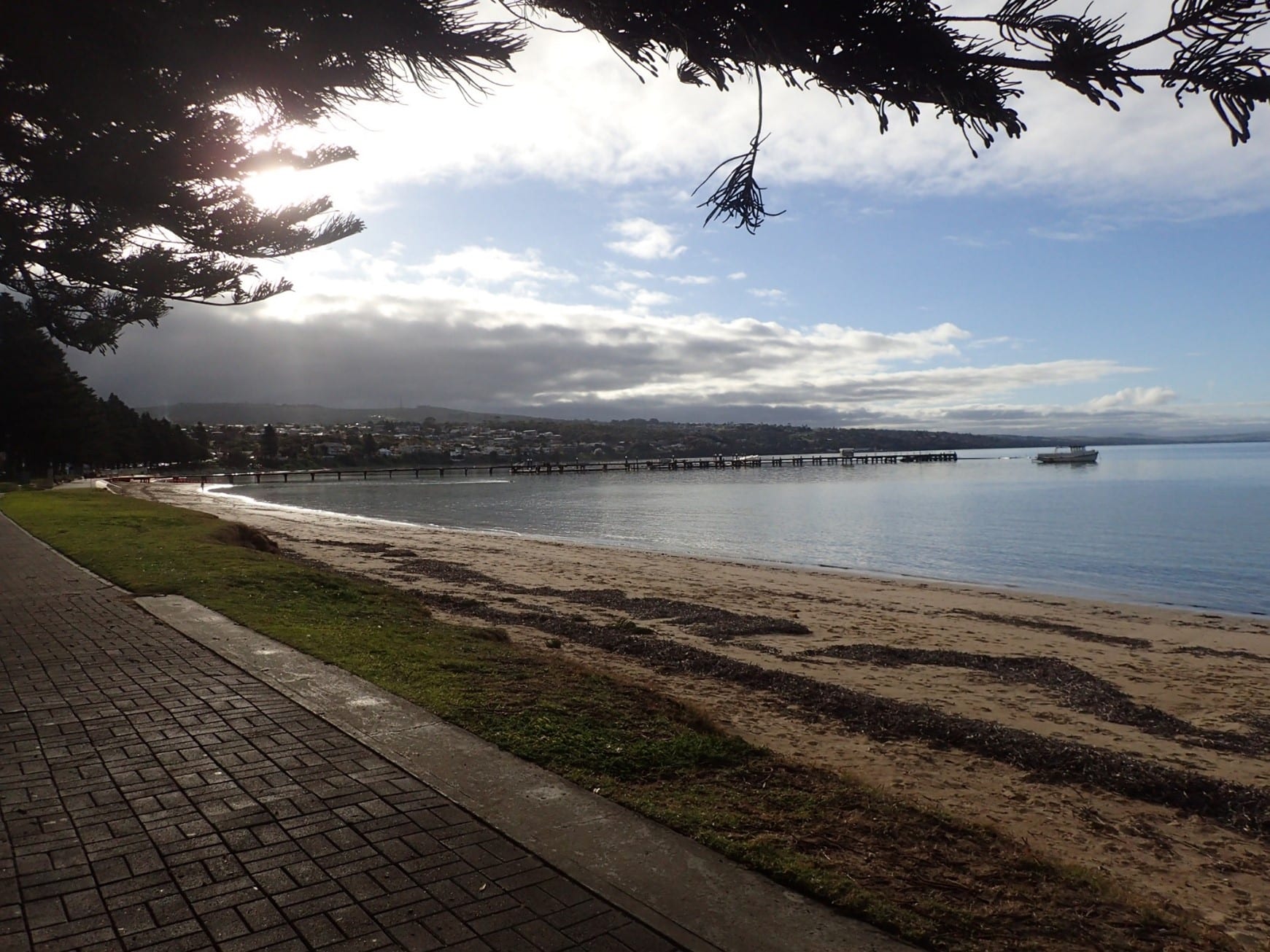
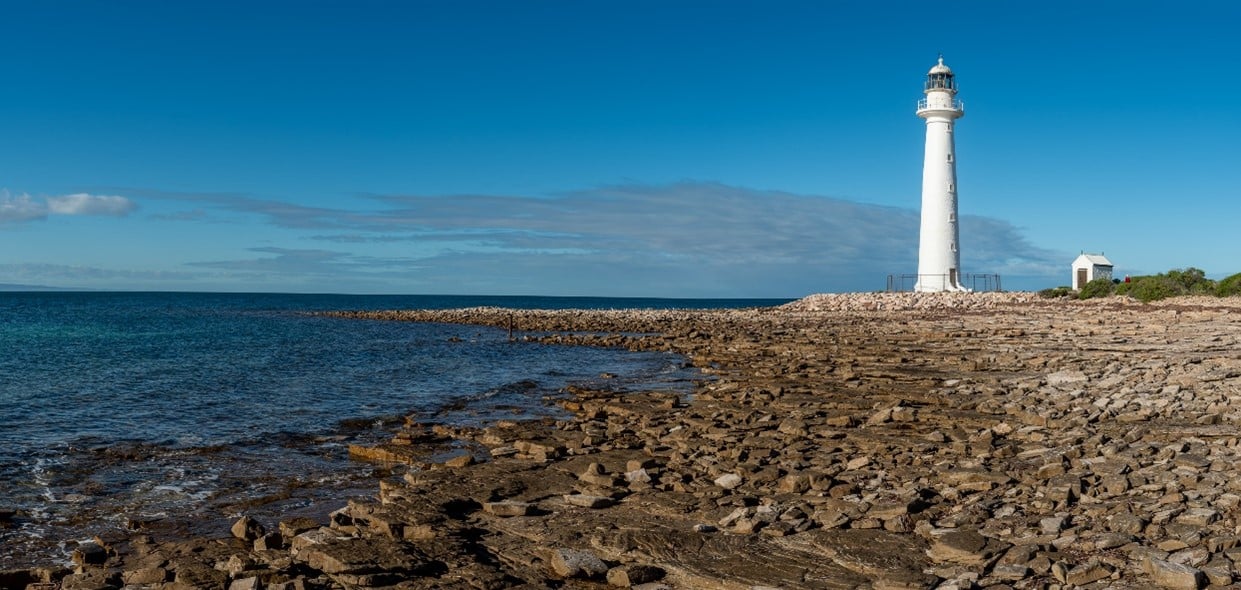
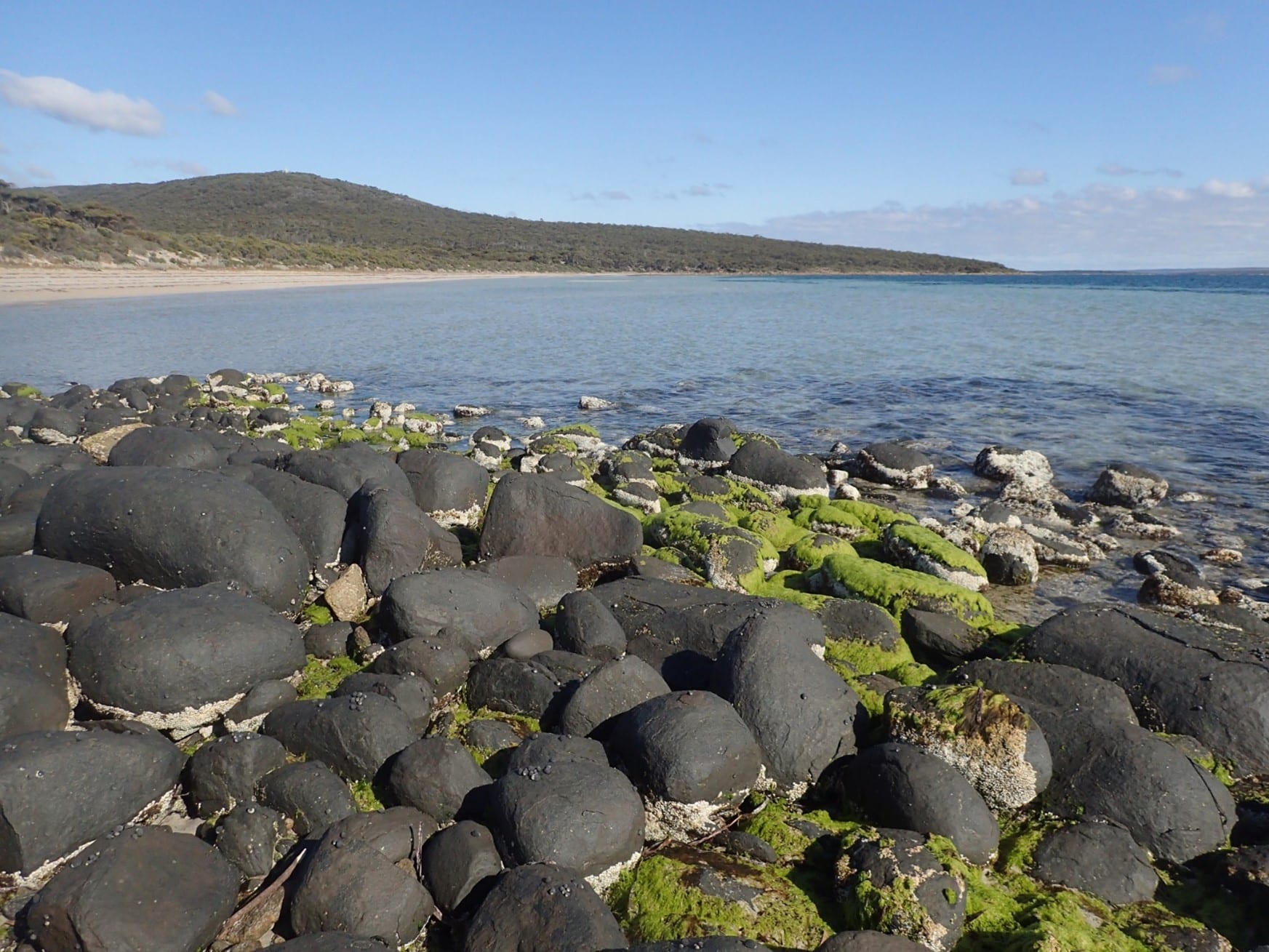
To escape the city life we took a day trip to Lincoln National Park, walking along the beach to Surfleet Cove, then undertaking the 6.2km Donington Loop walk along beaches, past the lighthouse, through bushland, over headlands and granite outcrops, and past rustic farm machinery. Coffin Bay was another opportunity to visit a National Park visiting Point Avoid, Templetonia and Golden Island lookouts, walking Almonta Beach and the Yangie Bay Hike. The Wild Dog walk at Whyalla is a short but steep walk with interpretive signs about native flora.
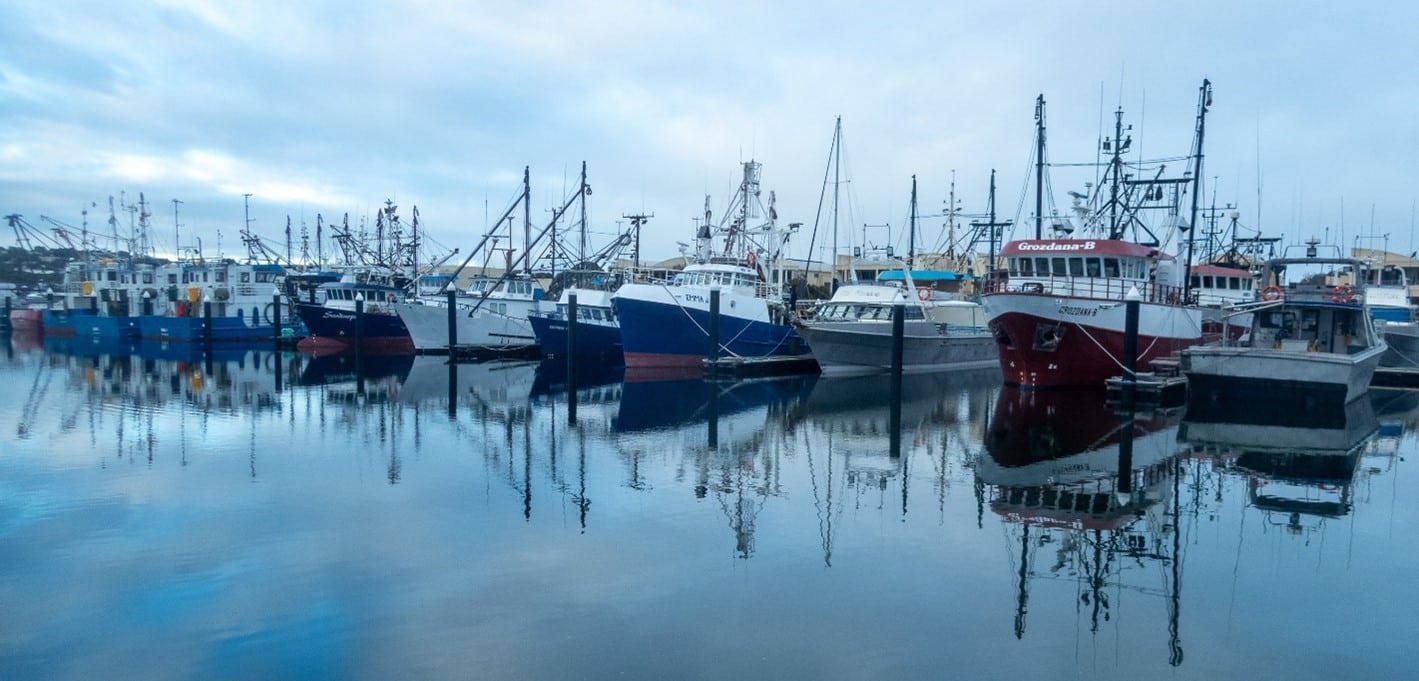
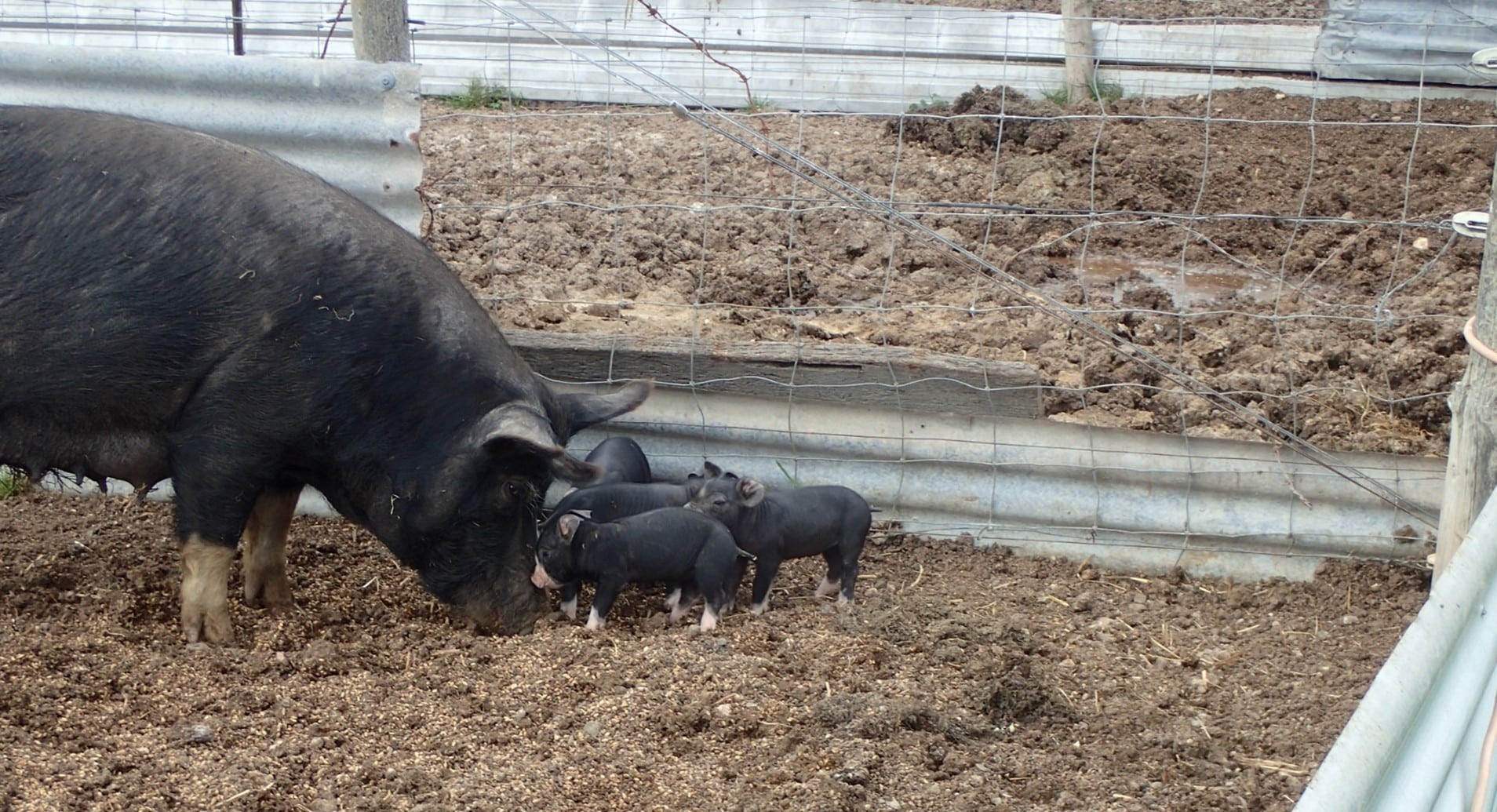
Port Lincoln is home to the largest commercial fishing fleet in the southern hemisphere, so a feed of fresh fish and prawns was on the agenda. We can recommend The Fresh Fish Place for a feed and an opportunity to buy fresh seafood to cook yourself. A stop at Wangary Pig Farm will allow you to purchase some bacon and enjoy a pancake at the café.
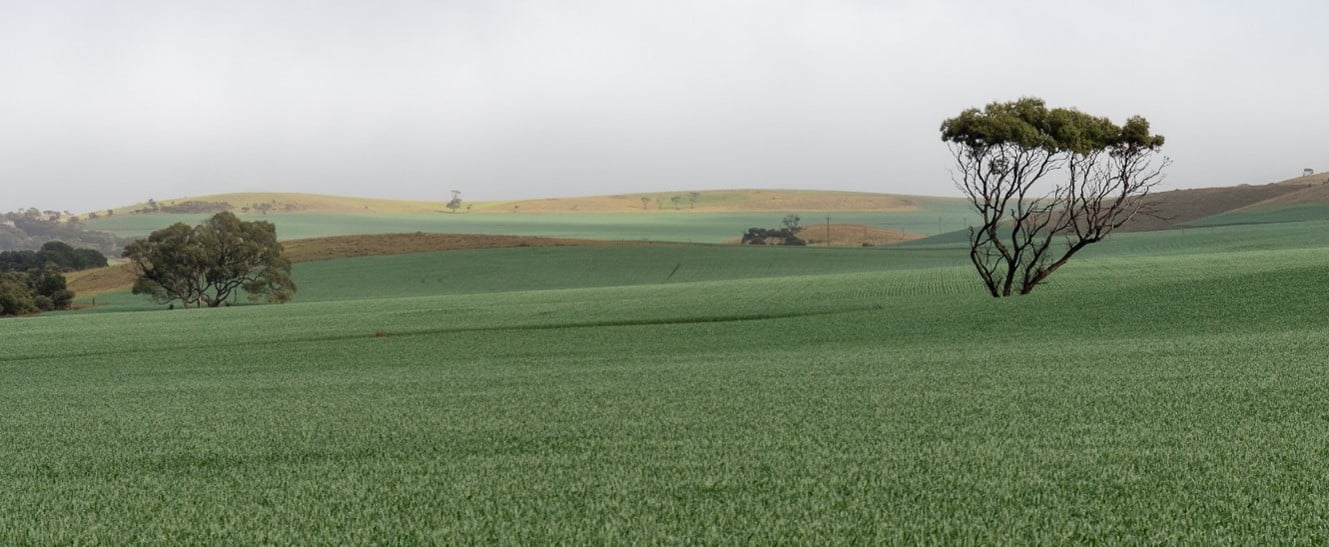
The Cleve District Scenic Drive is one of the prettiest journeys we made on the Eyre.
The Coastal Ketches Tourist Drive from Cowell to Point Gibbon was another highlight, following the coast with limitless spectacular scenery.
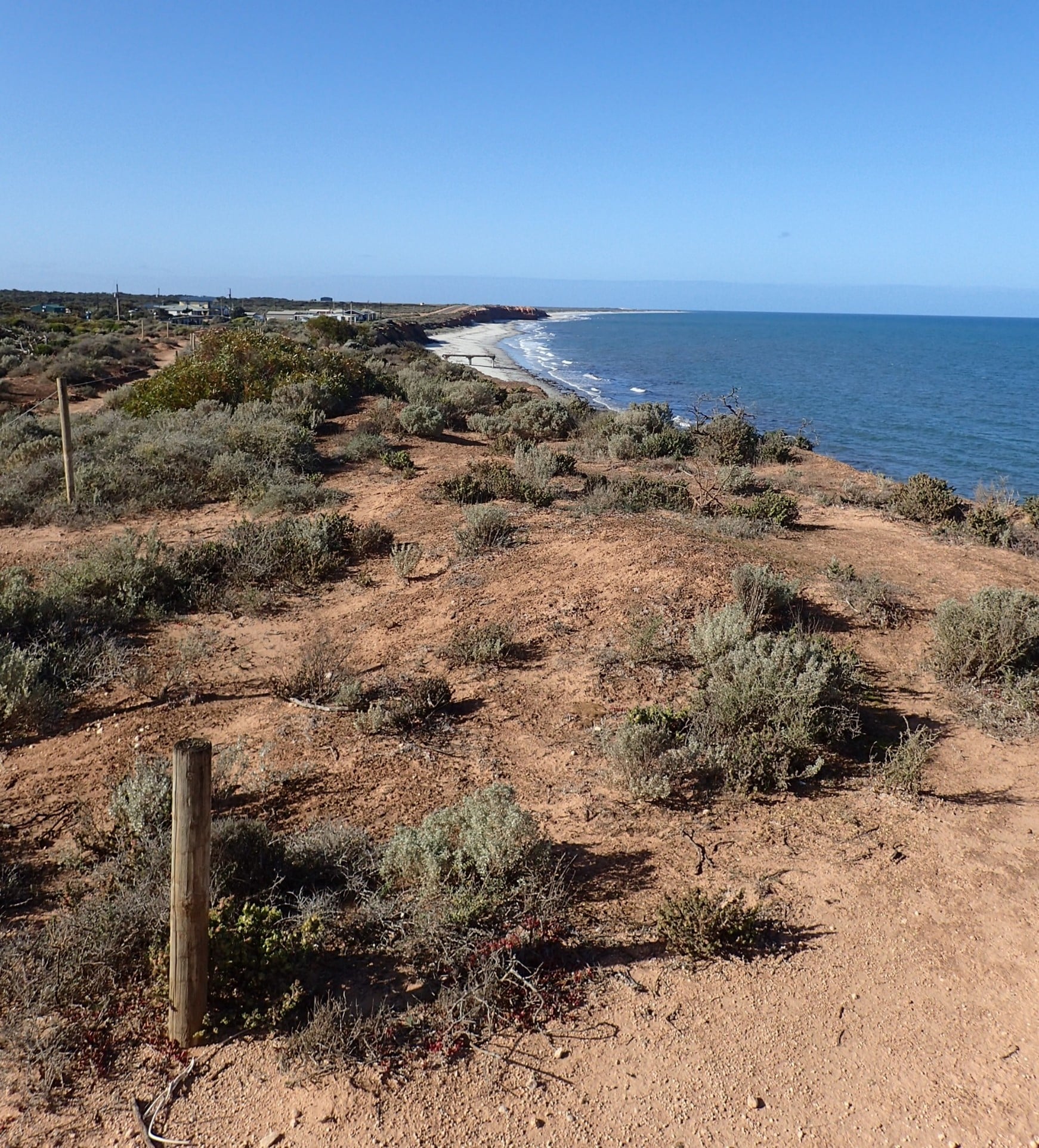
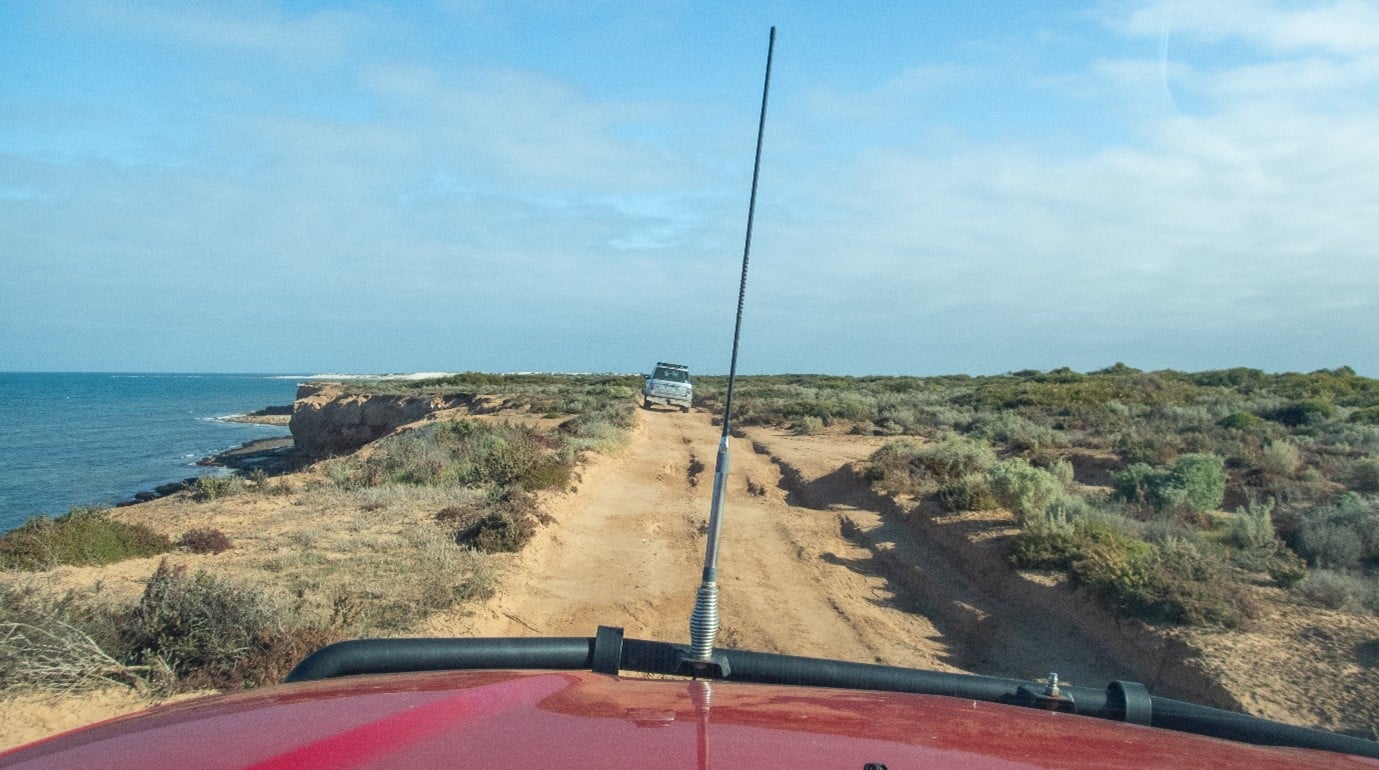
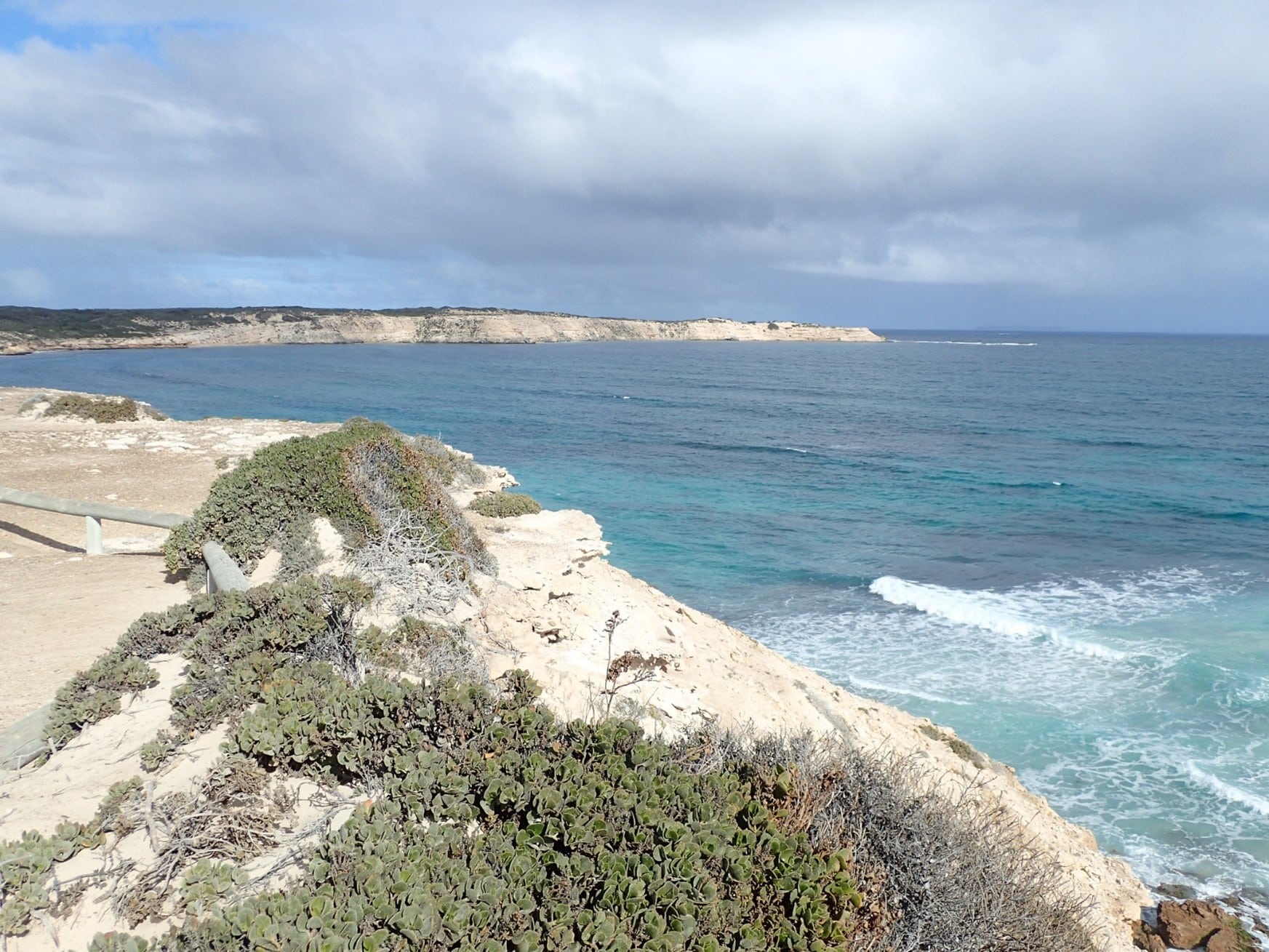
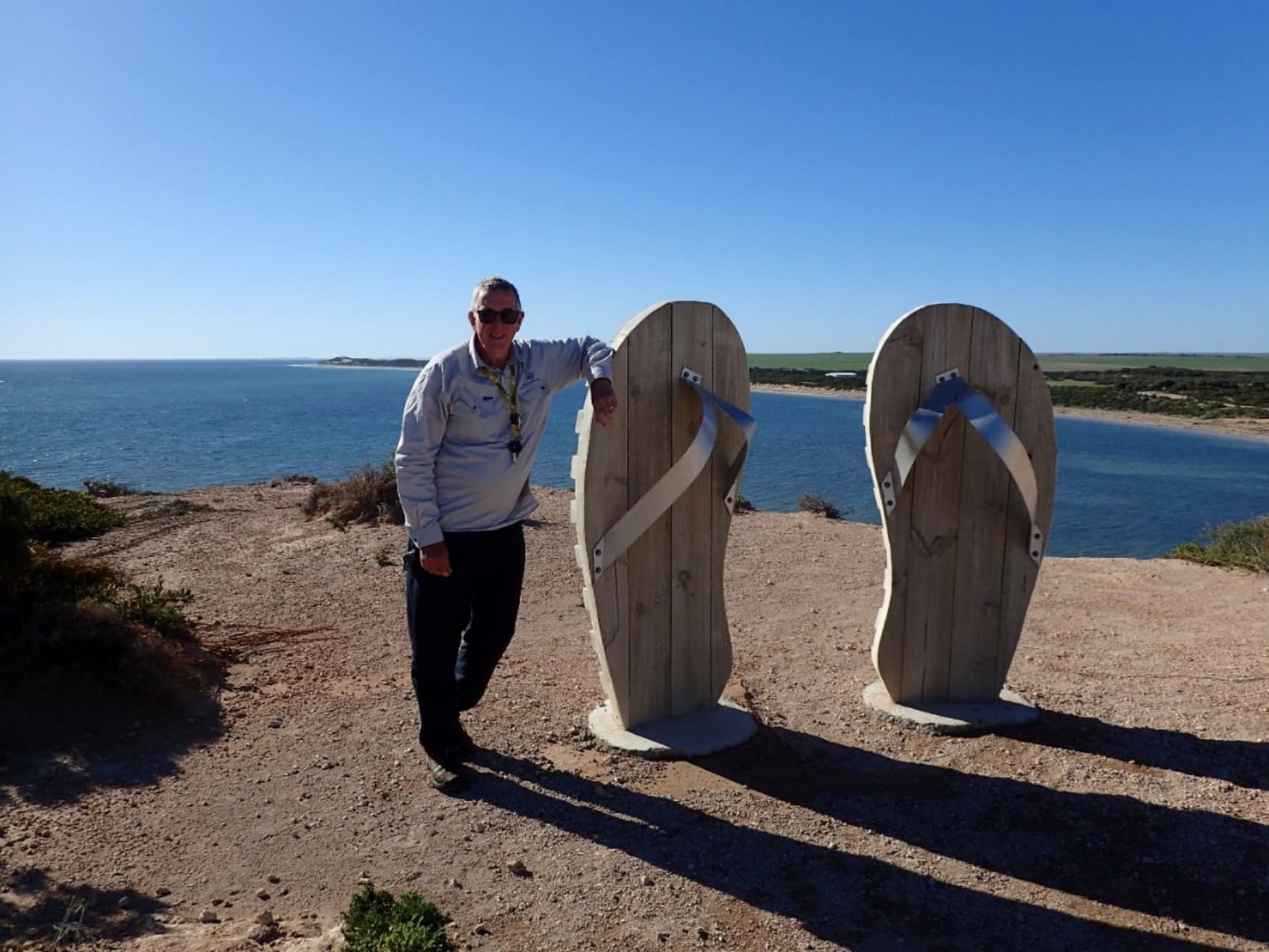
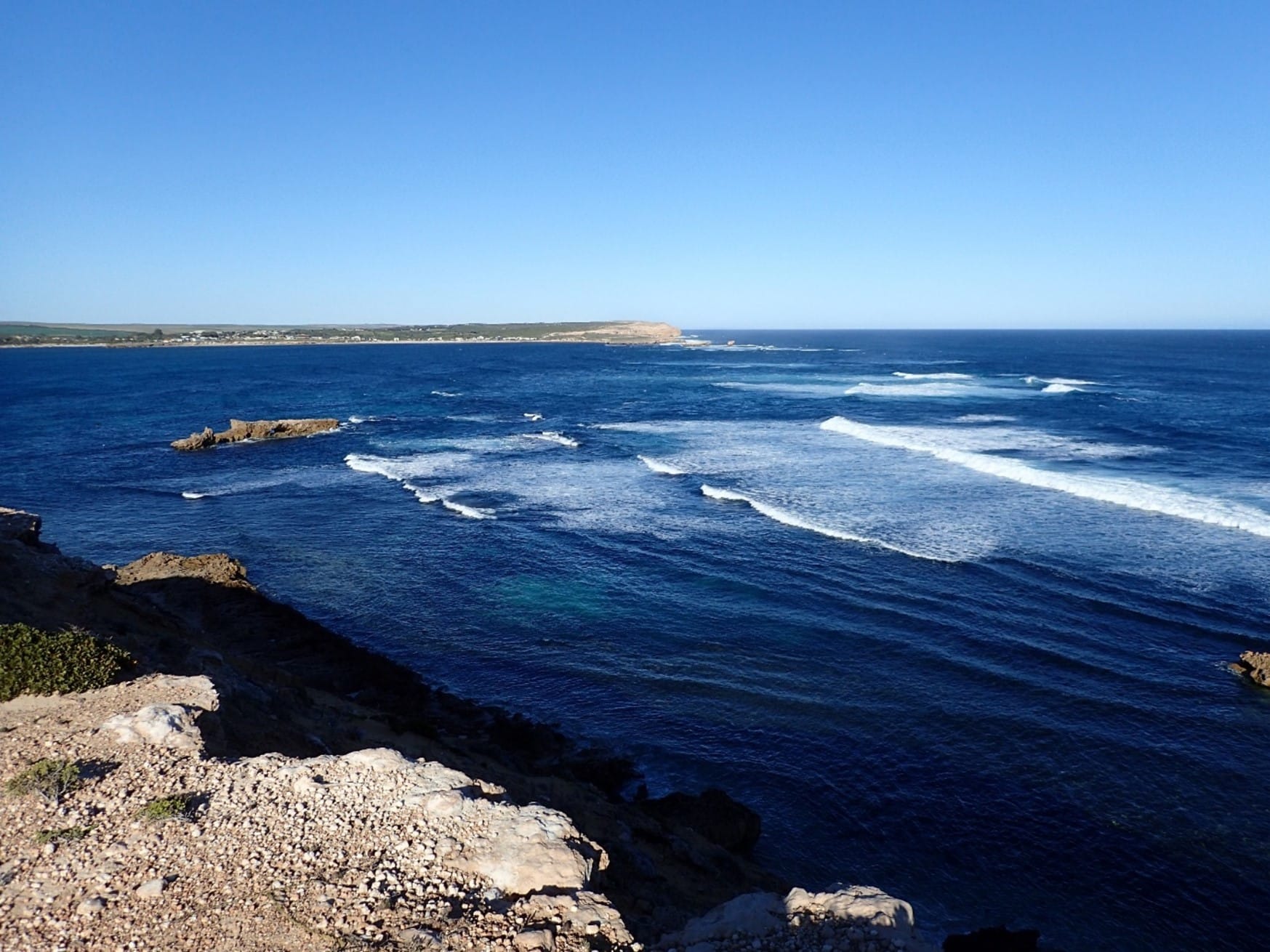
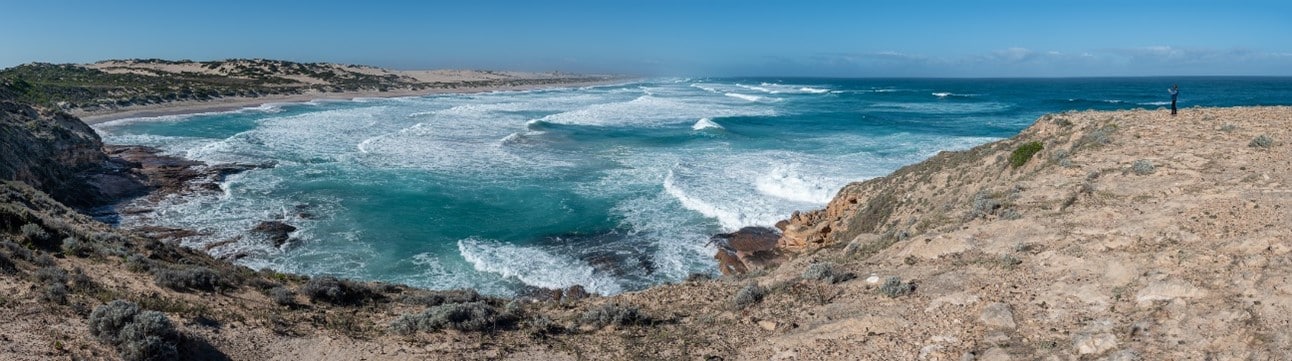
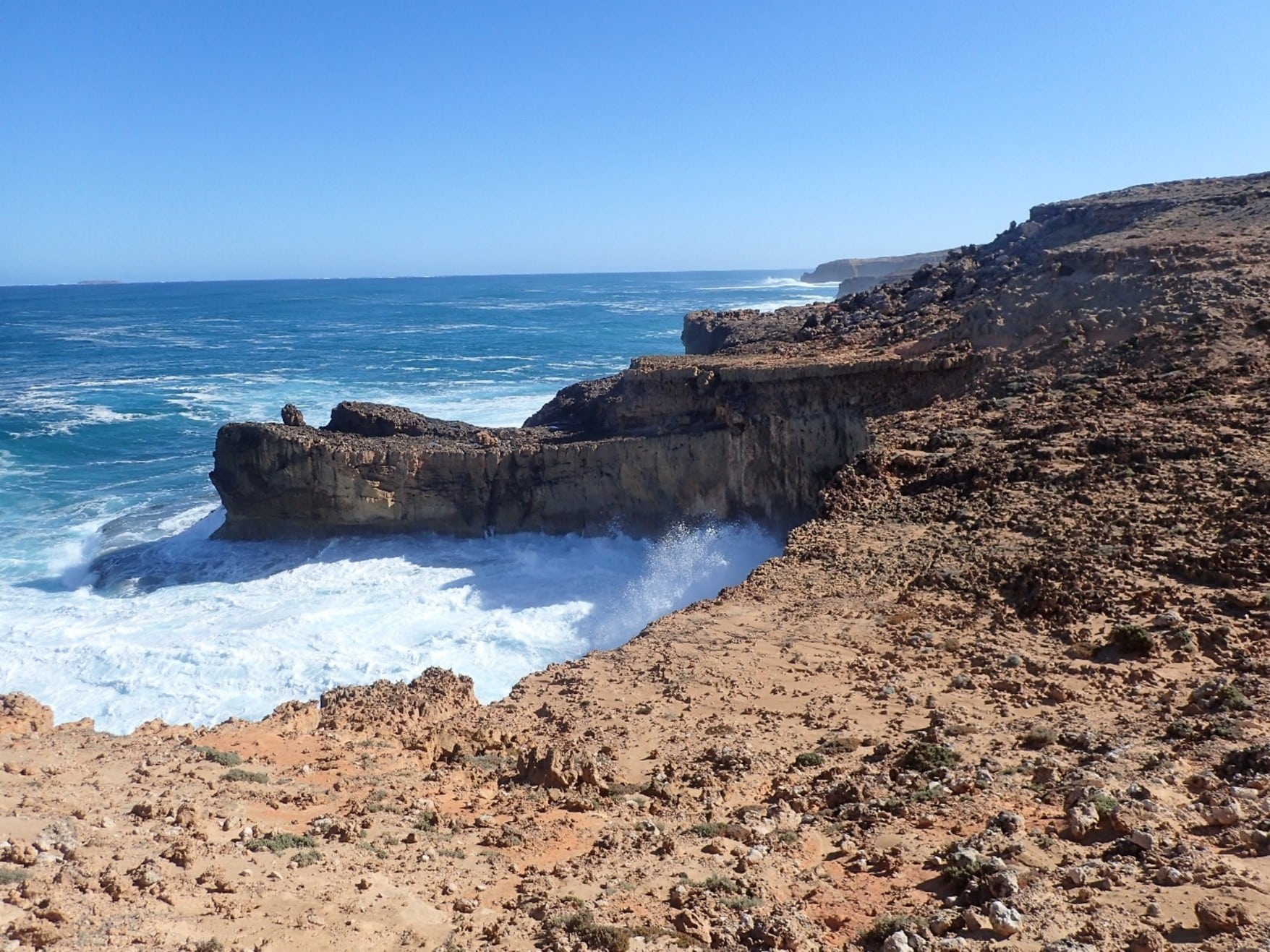
Elliston provided two scenic drives including a cliff top drive with views of outlying islands, the township and farmland. Sculptures dotted along the way added to the fun. It was a harsh landscape with rugged cliffs and wild seas, although it would be considered calm weather on the day we visited. Tahilia Caves and Beach provided an opportunity to explore the rockpools and caves worn by the winds, sand and tides, Then there was the Tub, a large crater with a tunnel connection to the sea. It is up to 30m deep and 50m wide.
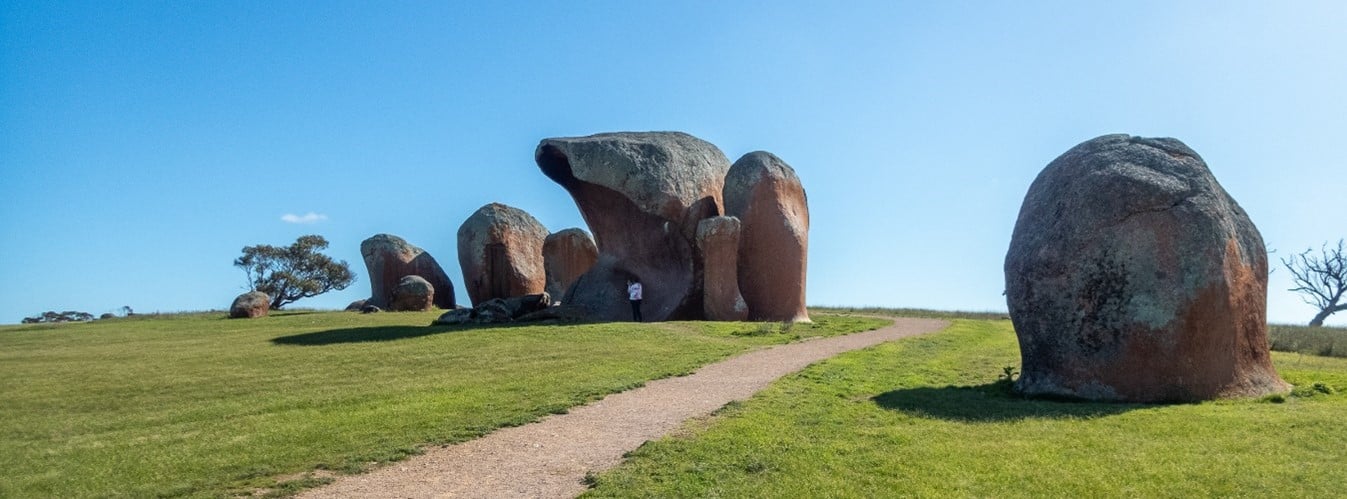
Another geological feature is Murphy’s Haystacks. The haystacks are pink granite boulders that pop up in a rural paddock. Interpretive signage explains how these huge 1500-million-year-old rocks came to be. Camping is allowed on the adjacent farmland.
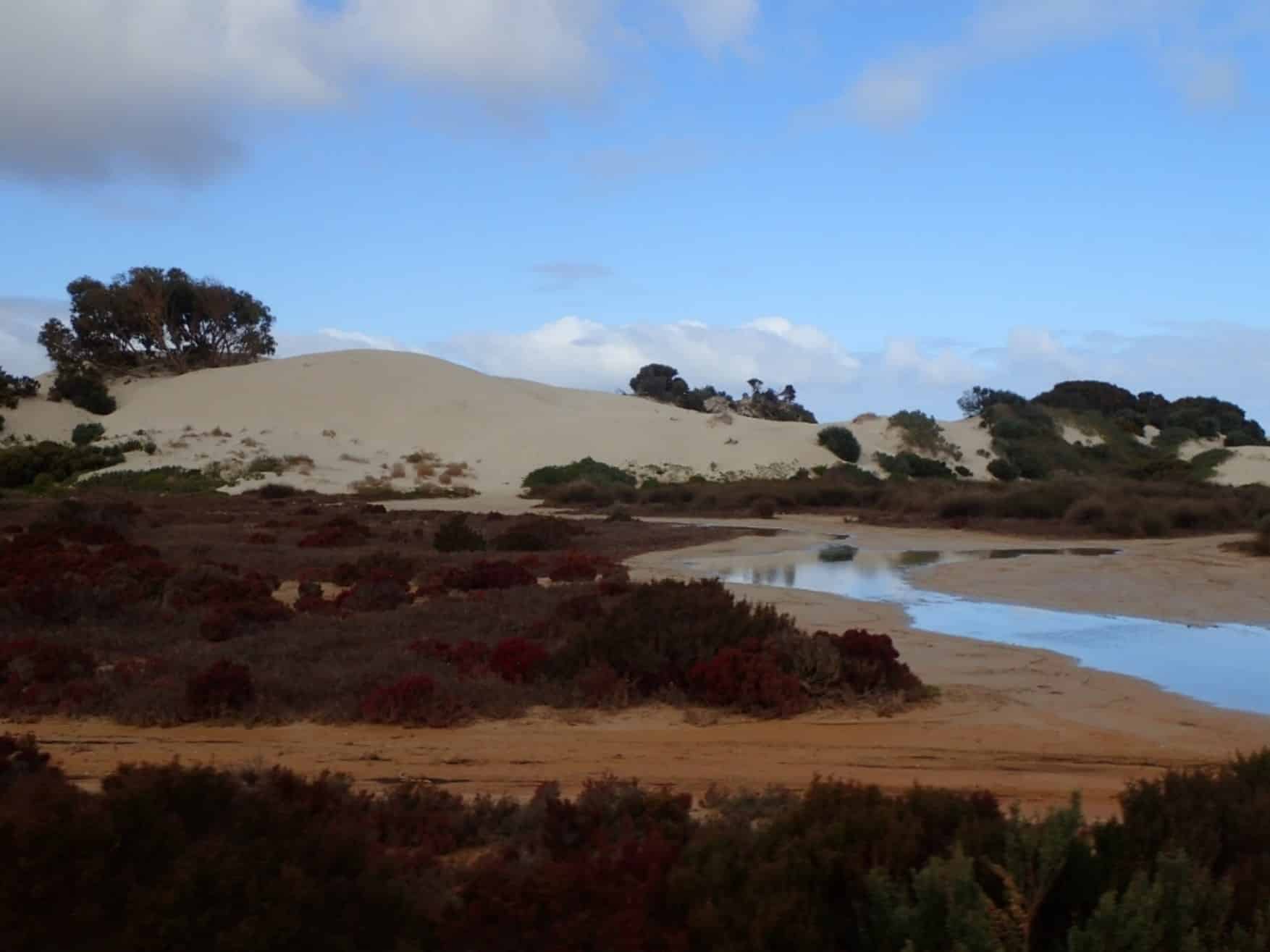
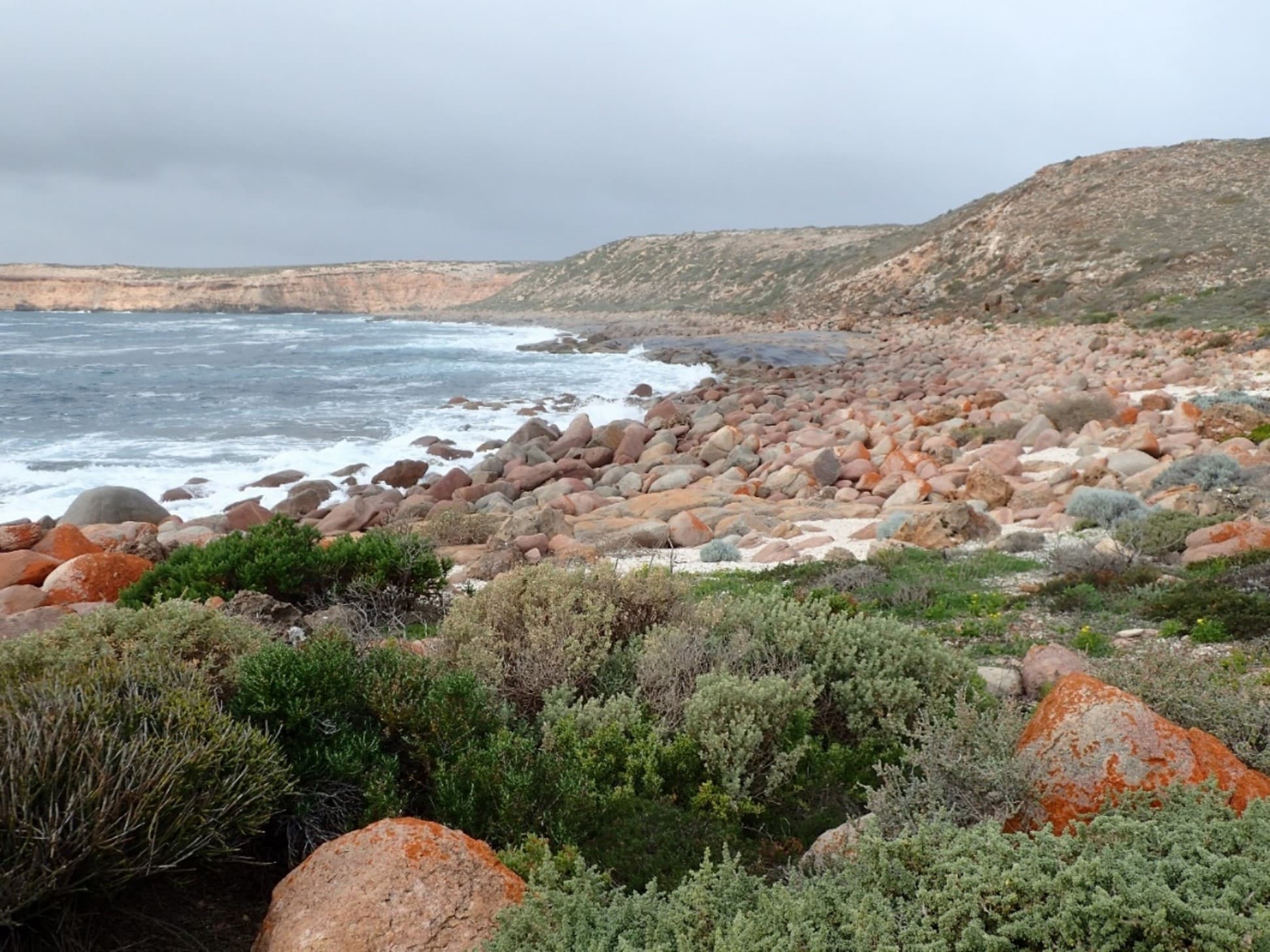
At Streaky Bay the Westall Way Loop Drive is a worthwhile way to spend the day. Passing the Yanerbie white sandhills we drove along the tracks of Cape Bauer. Views of the bay and ocean yet again showed it was a rough surf. There are exposed camping spots along the cape. We continued to Point Westall for more ocean views. A highlight was the Granites accessed down 110 steps to a sheltered beach with rockpools surrounded by rocks covered with orange algae. We returned to camp some five hours later.
Most of our accommodation was in local caravan parks. All parks were in good condition and made life easy for campers. The Streaky Bay Islands Caravan Park, although not close to town, is in perfect condition and a courtesy bus can take you to and from town for dinner at the pub. This is where the group enjoyed their final dinner together on the Peninsulas trip.
Thank you to our marvellous travelling companions who made this trip so enjoyable.